

What Is Vinyl Acetate?
2026-10-22
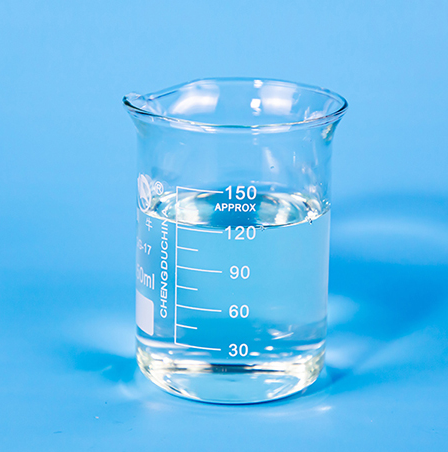
Vinyl acetate (CAS 108-05-4) is an organic compound. The ester is a colorless liquid with a sweet, ether-like odor; it is slightly soluble in water and soluble in alcohol, acetone, benzene, and chloroform. Because vinyl acetate contains unsaturated double bonds and carboxyl groups in its molecular chain, it can undergo a series of chemical reactions, including polymerisation, addition, hydrolysis, vinyl transfer, and oxidation. Examples include addition reactions with halogens, hydrolysis in the presence of acids or bases, and oxidation at high temperatures in the presence of palladium acetate.
Vinyl acetate is low in toxicity but has anaesthetic properties; ingestion or inhalation can lead to poisoning. Its vapors irritate the eyes, and prolonged skin contact may cause dermatitis. At an airborne concentration of 1 mg/L, exposure for 10 minutes can cause symptoms such as rhinitis and conjunctival hyperaemia. In case of skin or eye contact, rinse immediately with water. Prevent leaks at the worksite. Additionally, vinyl acetate is flammable; its vapors can form explosive mixtures with air. It undergoes rapid polymerization upon contact with peroxides; therefore, hydroquinone or bisphenol is commonly used as a retardant to prevent polymerization.

How Is Vinyl Acetate Produced?
There are two main methods for the production of vinyl acetate: the acetylene gas-phase process, which uses acetylene and acetic acid as raw materials, and the direct ethylene gas-phase oxidation process, which uses ethylene and acetic acid as raw materials.
Properties
Melting point | -93 °C (lit.) |
Boiling point | 72-73°C (lit.) |
Density | 0.934 g/mL at 25°C (lit.) |
vapor density | 3 (vs air) |
vapor pressure | 88 mm Hg (20°C) |
refractive index | n |
Flash point | 20°F |
storage temp. | 2-8°C |
solubility | 20g/l |
PH | 7 (20 g/l, H₂O, 20℃) |
Odour | Sweet, pleasant, fruity |
Viscosity | 0.432 cp (20°C) |
explosive limit | 2.6-13.4% (V) |
Water Solubility | 23 g/L (20ºC) |
Risk and Safety Statements
Symbol (GHS) | GHS02, GHS07, GHS08 |
Signal word | Danger |
target organs | Respiratory system |
PPE | Eyeshields, Faceshields, Gloves, type ABEK (EN14387) respirator filter |
Hazard Codes | F, T, Xn |
Risk Statements | 11-39/23/24/25-23/24/25-36-20/21/22-40-37-20 |
Safety Statements | 16-23-29-33-45-36/37-7-9 |
WGK Germany | 2 |
Autoignition Temperature | 801°F |
HazardClass | 3 |
PackingGroup | II |
What Is Vinyl Acetate Used For?
Vinyl acetate is primarily used in the production of polyvinyl alcohol resin and synthetic fibres. Its monomer can be copolymerized to produce adhesives for a variety of applications; it can also be copolymerised with monomers such as vinyl chloride and acrylonitrile—through processes such as graft copolymerisation and block copolymerisation—to create synthetic polymers with different properties. Additionally, it serves as an intermediate in the production of pour point depressants and thickeners for oils and is used in emulsion paints and paper coatings.
You Also Like

Previous page:
Next page:
Blog update
What are the types of chemical materials
2024-11-05
What do chemical materials do?
2024-11-05
What are the industrial chemicals
2024-11-05