



1,3-Dihydroxyacetone CAS 96-26-4
Category:
Product Description
Product Details
Introduction to 1,3-Dihydroxyacetone CAS 96-26-4
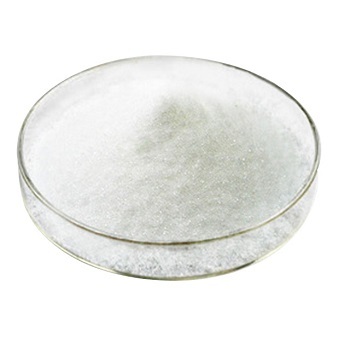
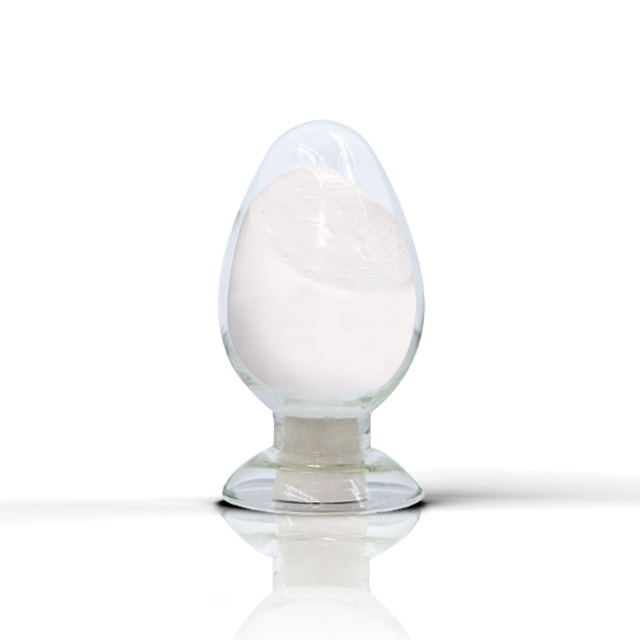
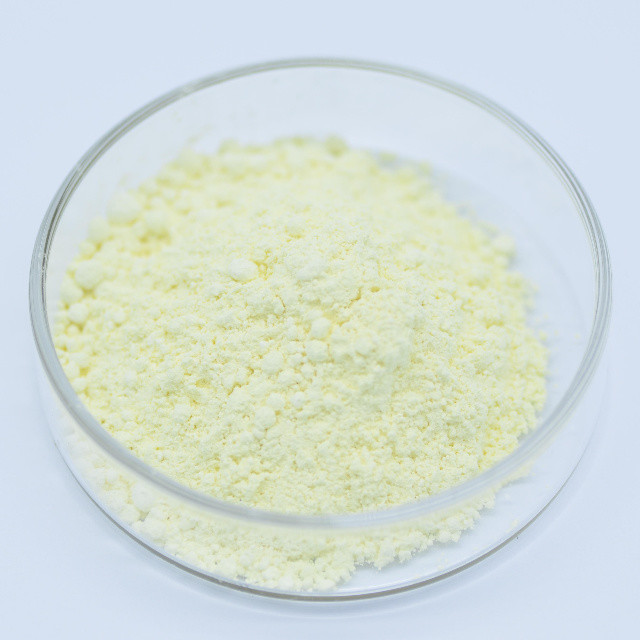
Dihydroxyacetone, commonly known as DHA or glycerone, is an organic compound. It is a polyhydroxy ketose, the simplest ketose, and a reducing sugar. It appears as a white crystalline powder with a sweet taste, has a density of approximately 1.3 g/cm³, a melting point of 75–80°C, a boiling point of approximately 213.7°C, and a flash point of approximately 97.3°C. It is highly soluble in water, ethanol, diethyl ether, acetone, and other organic solvents, with a water solubility of >250 g/L (at 20°C), and is stable at a pH of 6.0.
Dihydroxyacetone is a safe sunless tanning product fermented from glycerin. It reacts with the free amino groups of keratin in the stratum corneum of the epidermis to achieve the dyeing effect. Dihydroxyacetone is the main active ingredient in almost all tanning, sunscreen, and skin care products. This raw material is also suitable for the application of hair dyeing products to replace chemical hair dyes.

1,3-Dihydroxyacetone CAS 96-26-4 Properties:
Name | Dihydroxyacetone, 1,3-Dihydroxyacetone (DHA), glycerone |
CAS Number | 96-26-4 |
Boiling Point | 213.7 °C |
Melting Point | 75-80 °C |
Water Solubility | Easily soluble in water |
Density | 1.3 g/cm³ |
Appearance | White powdery crystal |
Flash Point | 97.3 °C |
Application | Cosmetics industry |
1,3-Dihydroxyacetone CAS 96-26-4 Applications:
Dihydroxyacetone is an important fine chemical with good biological activity; it has a wide range of applications in the cosmetics, functional food, and feed industries, as well as in chemical and biochemical research.
1. Cosmetics Industry
Dihydroxyacetone is the primary active ingredient in self-tanning skincare products. Its ketone functional group reacts with the amino groups in skin keratin to form brown polymers, causing the skin to darken and mimicking the effects of sun exposure. Since dihydroxyacetone does not penetrate the body, it is relatively safe and easy to use, making it suitable for use in self-tanning products and non-oxidative hair dyes.
2. Food Industry
Dihydroxyacetone can be used as an additive in functional foods. Research has also explored its development as a feed additive; using spray-drying technology and granulating it with excipients such as maltodextrin and β-cyclodextrin, products with high active ingredient content have been produced.
3. Organic synthesis Intermediates
As an important organic synthesis intermediate, dihydroxyacetone serves as a key precursor for the synthesis of various fine chemicals. It is used in organic synthesis and also acts as a specific substrate for galactose oxidase, making it valuable in biochemical research.
Package and Storage:
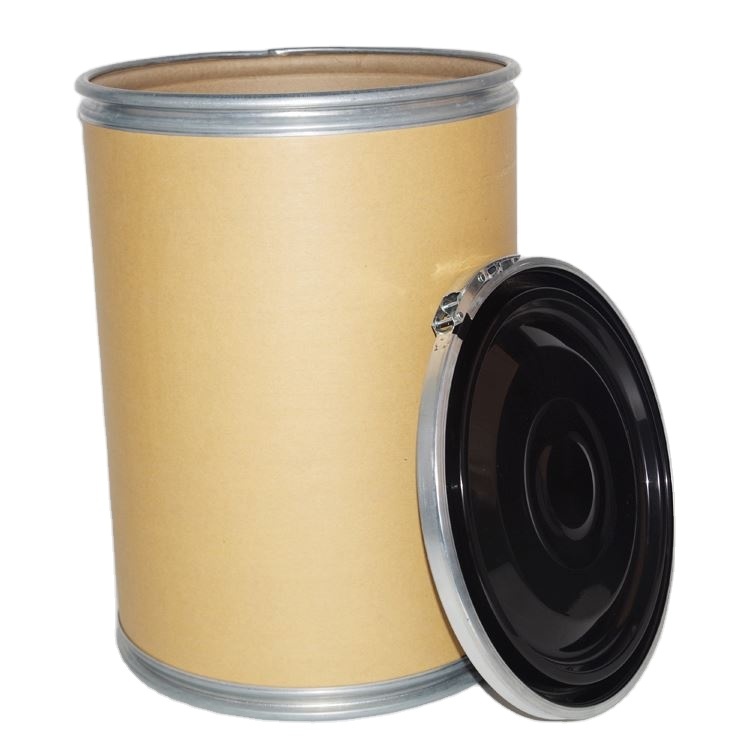
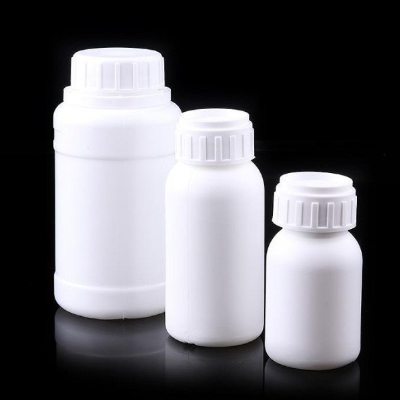
1 kg, 25kg, customized
Store in a cool, ventilated place at 2-8℃; shelf life is 1 year.
Keyword:
1,3-Dihydroxyacetone
CAS 96-26-4
Dihydroxyacetone
DHA
glycerone
Send Inquiry
Leave a message immediately and receive free product consultation. We will arrange experts to contact you as soon as possible.