


Diacetone acrylamide CAS 2873-97-4
Category:
Product Description
Product Details
Introduction
Diacetone acrylamide has two reactive groups: N-substituted amide and ketone, which can easily copolymerize with other ethylene and monomers, thereby introducing ketocarbonyl groups into polymers. By utilizing the chemical properties of ketocarbonyl groups, polymers can undergo crosslinking and grafting reactions, and can be used to prepare various adhesives, thickeners, paper reinforcing agents, crosslinking agents, etc. It has been widely used in coatings, adhesives, daily chemicals, epoxy resin curing agents, photosensitive resin additives, textile additives, medical and health fields.
Physical and chemical properties
| Item | Unit |
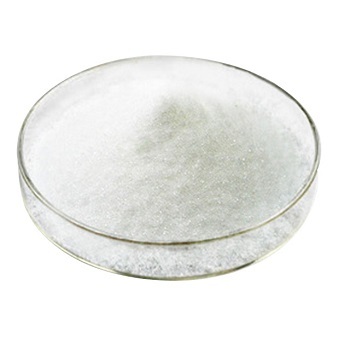
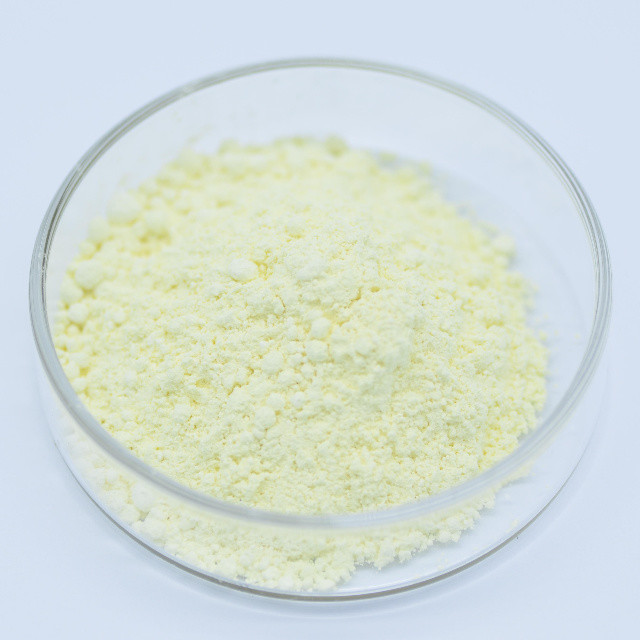
| Appearance | White or slightly yellow flake crystals, colorless after melting. |
| Flash point | > 110 °C |
| Melting point | 57-58 °C |
| Boiling point 120 °C (1.07 kPa) | 93-100 °C (13.33-40.0 Pa) |
| Relative density | 0.998 (60 °C) |
| Solubility |
Soluble in water, methanol, methyl chloride, benzene, acetonitrile, ethanol, acetone, tetrahydrofuran, ethyl acetate, styrene, n-hexanol and other organic solvents, insoluble in petroleum ether (30-60 °C). |
Application
⑴ Application in hair treatment agents
The important characteristic of diamine is that its homopolymer or copolymer is insoluble in water, but has "water breathing", with a water absorption rate of 20% to 30% of its own weight. When the ambient humidity is less than 60%, it can also release water. Taking advantage of this feature, diamine is mainly used to produce hairspray fixatives and photosensitive resins.
⑵ Application in photosensitive resins
The use of bright, hard, acid-resistant and alkali-resistant solid diamine homopolymers to produce photosensitive resins can make the resin photosensitize quickly, and the non-image part can be easily removed after exposure, thereby obtaining a clear image with good strength, solvent resistance and water resistance.
Another important use of diamine is that it can partially replace gelatin. Gelatin is used in photosensitive emulsions, which almost utilizes all of gelatin's special properties, so it has been difficult to find an ideal product to replace it for more than a hundred years. High-purity photographic gelatin will be in short supply in China for a long time. It is estimated that domestic photosensitive materials will require about 2,500 tons of gelatin per year, but the current domestic production of photographic gelatin is only a few hundred tons.
⑶ Used to prepare plastic relief printing plates
⑷ Application in adhesives
It can be used as an adhesion promoter and modifier for cellulose compounds, cement, glass, aluminum and polyvinyl chloride. It can also be made into pressure-sensitive adhesives. In addition, it can be used as a heat-sensitive adhesive for paper, textiles and plastic films containing propylene polymers.
In addition to the above applications, diacetone acrylamide can also be widely used in other fields:
① It can be used as a curing agent for epoxy resins, ship bottom anti-rust paints, ship bottom underwater paints, acrylic resin paints, unsaturated polyesters and other paints;
② The water-soluble copolymer monomers of diacetone acrylamide are effectively used for clarification with suspended solids;
③ It can be used as a thermally produced laser recording material;
④ It is used as a glass anti-blurring agent;
⑤ It is used in azo copy materials;
⑥ It is used as a water-soluble photosensitive resin component.

Keyword:
Send Inquiry
Leave a message immediately and receive free product consultation. We will arrange experts to contact you as soon as possible.