


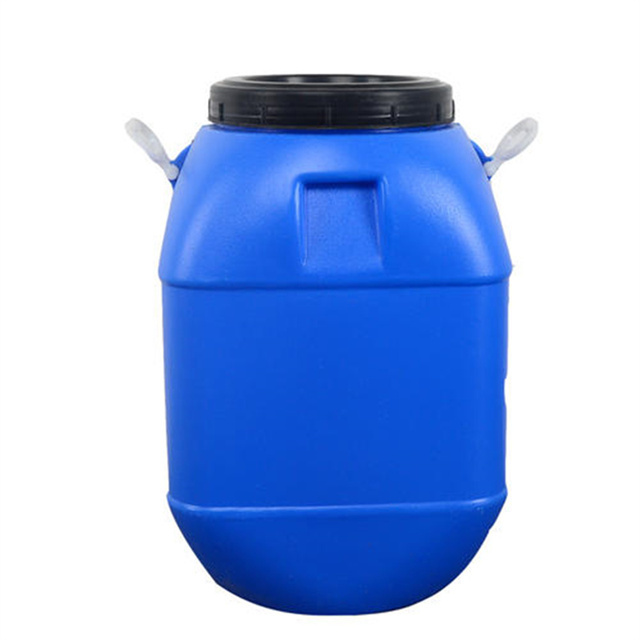

3-(2-Aminoethylamino)propyl-dimethoxymethylsilane CAS 3069-29-2
Category:
Product Description
Product Details
Introduction
3-(2-Aminoethylamino)propyl-dimethoxymethylsilane, model KT9602, is a diaminobisalkoxysilane. Its molecular structure contains two amino (one primary amino and one swollen amino) functional groups and two hydrolyzable alkoxy groups - methylhydrogen groups. This dual reactivity allows it to improve the bonding, adhesion and compatibility between inorganic materials (glass, metal, filler) and organic polymers (thermosetting resins, plastics, elastomers) through a two-way chemical reaction, thereby improving the mechanical properties of resin-based composite materials or improving the bonding strength and water resistance of resin coatings. In different applications, it can be used as a coupling agent, adhesion promoter, curing agent, surface modifier for pigments and fillers, etc.
Application
1. Used as the raw material of amino silicone oil and various silicone super soft finishing agents, polycondensed with silicone monomers such as D4 and DMC to synthesize amino silicone oil, improve the orientation of silicone (molecules) on fibers, increase the affinity to fibers, and give fibers softness, smoothness, drape, antistatic, washability, wrinkle resistance and other effects.
2. Used as an additive or formulated into a primer for phenolic, urea-formaldehyde, furan, polyurethane, silicone, epoxy, nitrile, phenolic, acrylic and other coatings, inks, adhesives and sealants to improve the adhesion, corrosion resistance, water boiling resistance and scrub resistance of resin coatings, extend service life, and improve the dispersion and bonding of pigments and fillers in the resin phase.
3. Used in resin sand casting and resin abrasives to improve the bonding and water resistance of resin and silica sand or abrasives.


Reaction characteristics:
In the presence of water, the alkoxy group of KT9602 will hydrolyze to form active silanol groups, and at the same time release the hydrolysis reaction byproduct - methanol. This silanol group will undergo condensation reaction with the hydroxyl groups on the surface of various inorganic materials (substrates or pigments and fillers) to form chemical bonds, while its amino group can react chemically or physically with suitable polymers. Through the above-mentioned two-way reaction, this product realizes the coupling and connection between inorganic fillers (or substrates) and organic polymer materials. The water reaction of KT9602 will automatically occur in the presence of water, without the need to add acid substances as catalysts. The pH value of its hydrolyzate is generally 10~11. The hydrolyzate of KT9602 with a concentration of more than 5% can be stable for more than 72 hours. This product will react with ketone and ester solvents, so it is not recommended to dilute this product with the above solvents. Silane itself or silanized substrates can react with carbon dioxide in the air to form corresponding carbonates or carbamates. Inorganic materials suitable for this product include glass, glass fiber, glass wool, mineral wool, mica, quartz and other siliceous materials and aluminum hydroxide, magnesium hydroxide, kaolin, talc, steel, zinc, aluminum and other metals and their oxides, but it has little effect on fillers that do not contain hydroxyl groups on the surface, such as calcium carbonate, graphite, carbon black, and barium sulfate.
Suitable polymers for this product include (but not limited to) phenolic, epoxy, furan, urea-formaldehyde, polyurethane, acrylic, polyester, pyroacetone, nitrile and other thermosetting resins and nylon, polycarbonate, PBT, PET, EVA, modified PP, PVC, PVB, PVAC, PS and other plastics.
Specification
| Type | KT9602 | |||||||
| Appearance | Low viscosity colorless transparent liquid with a slight ammonia smell | |||||||
| Boiling point (760 mmHg), ℃ | 256 | |||||||
| Density (20℃), g/cm³ | 0.970 | |||||||
| Refractive index | 1.4460 | |||||||
| Solubility | It is soluble in conventional aliphatic and aromatic solvents such as alcohol, ester, ether, benzene, etc. It reacts with ketone and carbon tetrachloride; it is soluble in water but hydrolyzes at the same time. | |||||||
Keyword:
Send Inquiry
Leave a message immediately and receive free product consultation. We will arrange experts to contact you as soon as possible.