


Polyester Polyol
Category:
Product Description
Product Details
Introduction to Polyester Polyol
Polyester polyols include conventional polyester polyols, polycaprolactone polyols, and polycarbonate diols. They contain ester groups or carbonate
groups. In practical applications, polyester polyols generally refer to those synthesized by the polycondensation reaction of dicarboxylic acids with diols.
Different varieties of polyester polyols have different properties due to different types or different preparation processes.
The more important indexes for polyester polyols are hydroxyl value, acid value, moisture, viscosity, molecular weight, density, and chromaticity.
Quality Indicator of Polyester Polyol
|
Appearance |
Hydroxyl value (KOH mg/g) |
Acid value (KOH mg/g) |
Viscosity (mPa·s) |
Moisture, % |
|
|
KT-380 |
Yellow liquid |
360-450 |
<3 |
1500-4500 |
≤0.1 |
|
KT-400a |
Yellow liquid |
350-450 |
<3 |
1500-4500 |
≤0.1 |
|
KT-400b |
Yellow liquid |
380-450 |
<3 |
2000-5000 |
≤0.1 |
|
KT-8100 |
Yellow liquid |
280-360 |
<3 |
8000-45000 |
≤0.1 |
Polyester Polyol Applications
Polyester Polyol is mainly used as insulation material for household appliances such as refrigerators, water heaters, sterilized dishwashers, PIR sheets (polyurethane sheets), spraying, adhesive, pipe insulation.
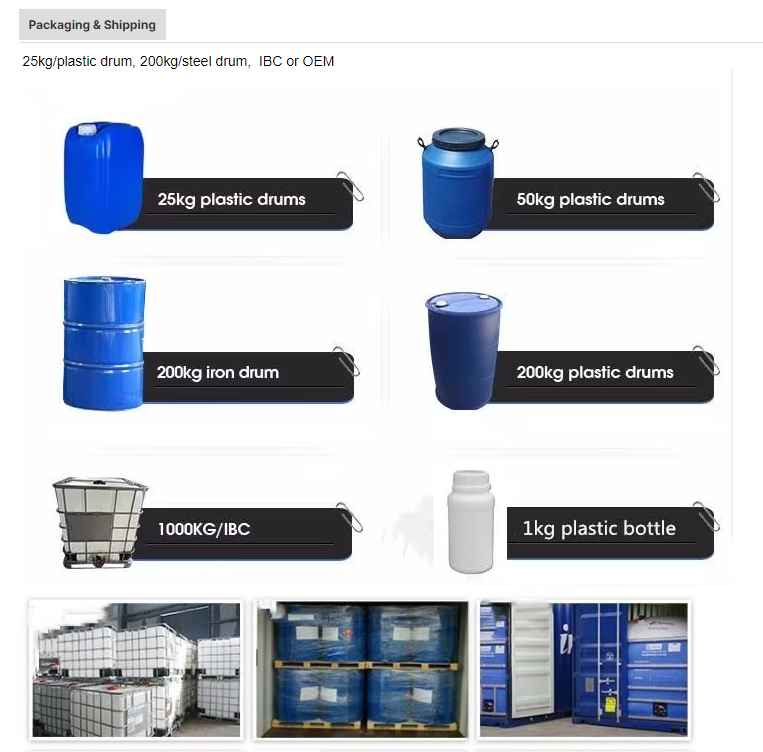
Packing: 230KG iron drum packaging
Transportation and Storage
Polyester polyols are not classified as dangerous goods for transportation, and materials for storage and transportation containers can include carbon steel, aluminum, and stainless steel, as well as polyethylene or polypropylene. Liquid polyester may occasionally become cloudy during long-term storage at low temperatures, but this phenomenon can be eliminated by heating it briefly at around 80 ℃ without affecting its quality. Polyester polyols are prone to moisture absorption, and storage and transportation should avoid the entry of moisture from the atmosphere. To reduce reverse reactions, the temperature should not exceed 120℃. The product should be stored in a sealed drum at room temperature, isolated from air, or in a container heated and insulated at 70-110°C, filled with nitrogen gas.
Keyword:
Polyester Polyol
Polyester Polyol manufacturer
Polyester Polyol supplier
china chemical raw material manufacturer
Send Inquiry
Leave a message immediately and receive free product consultation. We will arrange experts to contact you as soon as possible.