

A Complete Guide to Polyol Benzoate Plasticizers
2026-10-15
Polyol benzoate is a class of chemicals produced by the reaction of polyols (such as ethylene glycol and glycerol) with benzoic acid. It is a colorless or white, oily, transparent liquid characterized by low loss on heating (≤0.3 at 125°C for 2 hours) and insolubility in water. It exhibits good compatibility with materials such as PVC and vinyl acetate copolymers, and offer superior mechanical properties and processing efficiency compared to the traditional plasticizer DOP. It is primarily used as the main plasticizer for polyvinyl chloride (PVC) and vinyl acetate.
This plasticizer includes diethylene glycol dibenzoate (DEDB), dipropylene glycol dibenzoate (DPGDB), and the solid plasticizer pentaerythritol tetraphenylate. These compounds offer resistance to contamination, oil, and light and heat, and can enhance the flexibility, surface gloss, and mechanical strength of finished products while reducing processing temperatures and shortening plasticization times. They are widely used in PVC pellets, artificial leather, cable compounds, coatings, inks, and other fields, and are particularly suitable for rigid PVC products such as plastic-steel doors and windows and profiles. When used in combination with DOP, they can optimize performance and reduce costs.

Diethylene Glycol Dibenzoate
Diethylene glycol dibenzoate (CAS 120-55-8) is a colorless, oily, transparent liquid with a density of 1.1751 g/cm³, a boiling point of 235–237°C, a flash point of 232°C, is slightly soluble in water, and readily soluble in organic solvents. It is primarily used as a plasticizer for polyvinyl chloride (PVC) and polyvinyl acetate (PVA) resins and is suitable for the processing of PVC flooring compounds, cable compounds, adhesives, and synthetic rubber. Its compatibility with PVC resin and processing performance are superior to those of traditional plasticizers such as DOP and DBP. It can directly replace traditional plasticizers in products such as artificial leather, films, and pipes without the need for process adjustments. It is synthesised through an esterification reaction using diethylene glycol and benzoic acid as raw materials. It is classified as a low-toxicity substance and must be stored in a sealed container in a cool place.
Properties
Melting point | 24°C |
Boiling point | 235-237 °C7 mm Hg (lit.) |
Density | 1.175 g/mL at 25°C (lit.) |
vapor pressure | 0Pa at 25℃ |
refractive index | n |
Flash point | >230 °F |
storage temp. | Sealed in dry, room temperature |

Dipropylene Glycol Diphenyl Phthalate
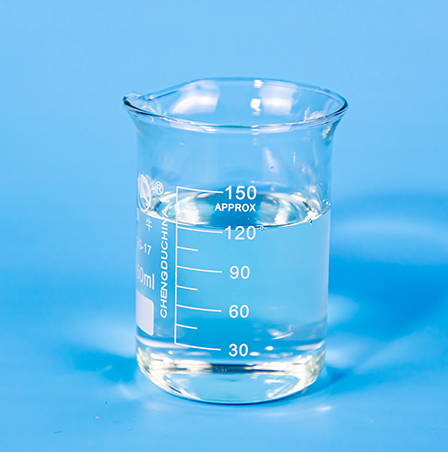
Dipropylene glycol diphenyl phthalate (CAS 27138-31-4) is insoluble in water; its solubility in water is 0.45% (at 25°C). It is soluble in aliphatic and aromatic hydrocarbon solvents and is highly compatible with polyvinyl chloride, vinyl acetate-vinyl chloride copolymer, polyvinyl butyral, nitrocellulose, ethyl cellulose, polystyrene, chlorinated rubber, and other materials. It can be used as a plasticizer for resins such as polyvinyl chloride, polyvinyl acetate, and polyurethane. It exhibits strong solvent action, good compatibility, and low volatility, as well as excellent durability, oil resistance, and stain resistance. It is commonly used in highly filled PVC flooring compounds and extruded plastics to improve processability, reduce processing temperatures, and shorten processing cycles. When used in unfilled films, sheets, and pipes, this product imparts good transparency and surface gloss to the finished products.
Properties
Melting point | -40 |
Boiling point | 232°C 5 mm Hg (lit.) |
Density | 1.12 g/mL at 25°C (lit.) |
vapor pressure | 0Pa at 25℃ |
refractive index | n |
Flash point | >230 °F |
storage temp. | Sealed in dry, room temperature |
Pentaerythritol Tetrabenzoate
Pentaerythritol Tetrabenzoate (CAS 4196-86-5) is a polyol benzoate solid plasticizer. It is a white solid with a melting point of 97–100°C and a relative density of 1.280 (at 25°C). It is slightly soluble in water, sparingly soluble in hydrocarbon solvents, and soluble in hot alcoholic solvents. As a solid plasticizer for polyvinyl chloride (PVC), it improves the material’s thermal stability and processability. It is also widely used in areas such as plastic mold release agents, antistatic coatings for electronic materials, fluxes, hot-melt inkjet adhesives, and additives for liquid crystal materials, primarily serving as an additive for polymeric materials and a high-temperature organic solvent.
Properties
Melting point | 102-104°C (lit.) |
Boiling point | 583.14°C (rough estimate) |
Density | 1.1594 (rough estimate) |
vapor pressure | 0Pa at 20℃ |
refractive index | 1.6000 (estimate) |
storage temp. | Sealed in dry, room temperature |
Preparation Method
Polyol benzoate plasticizers are typically synthesized by esterification of the corresponding polyol with benzoic acid or its derivatives in the presence of a catalyst. Pentaerythritol tetrabenzoate is produced by the esterification of pentaerythritol with benzoic acid or its derivatives.
Synthesis of Diethylene Glycol Diphenylate (DEDB)
When using diethylene glycol and benzoic acid as raw materials, sulfonated carbon can be used as a catalyst. Under conditions where the molar ratio of acid to alcohol is n(BA):n(DEG) = 2.2, with a catalyst loading of 2% by mass of benzoic acid, toluene as the water-carrying agent, and a reaction temperature of 210°C, the benzoic acid conversion rate can reach 90.1%, and the DEDB yield can reach 82.6%. In another study, using m-methylbenzoic acid and diethylene glycol as feedstocks, tetrabutyl titanate as the catalyst, and an alcohol-to-acid molar ratio of 1.0:2.2, the reaction was carried out under reflux at 210°C for 4 hours, yielding a conversion rate of 93.7%.
Synthesis of Pentaerythritol Tetraphenylbenzoate
In the synthesis of pentaerythritol tetraphenylate, due to the high melting points and poor solubility in common solvents of the starting material pentaerythritol and the intermediate esterification products, inert solvents such as dimethylformamide, dimethyl sulfoxide, or pyridine are typically required. Suitable esterifying agents include benzoic acid, benzyl chloride, or methyl benzoate.
You Also Like

Previous page:
Next page:
Blog update
What are the types of chemical materials
2024-11-05
What do chemical materials do?
2024-11-05
What are the industrial chemicals
2024-11-05