

What Is Benzoic Acid?
2026-09-17
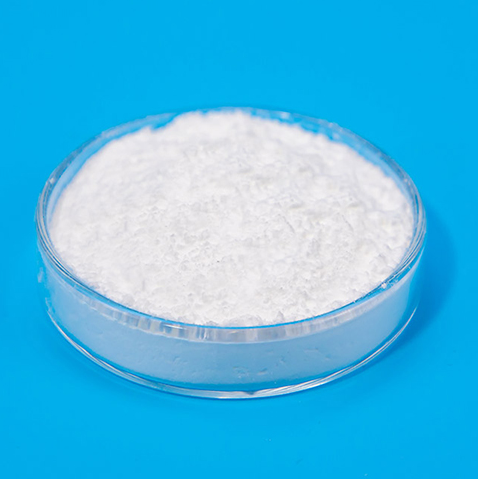
Benzoic acid (CAS 65-85-0) is an organic compound belonging to the aromatic acid class and is the simplest aromatic acid. It has a slight odor reminiscent of benzaldehyde or benzoin. At room temperature (around 25°C), its pKa value is 4.2; it is a weak monocarboxylic acid but is more acidic than fatty acids. It has a stable chemical structure and is not easily oxidized. It appears as white needle-like or flake-like crystals and sublimates at temperatures above 100 °C. It is slightly soluble in cold water and hexane, and soluble in hot water, ethanol, diethyl ether, chloroform, benzene, carbon disulfide, and turpentine. It is widely found in nature in the form of free acid, esters, or derivatives.

How Is Benzoic Acid Made?
Benzoic acid is produced by the dry distillation of benzoin or by hydrolysis with an alkaline solution; it can also be obtained by the hydrolysis of hippuric acid. Industrially, toluene, o-xylene, or naphthalene are commonly used as raw materials for the production of benzoic acid; these raw materials can be obtained from coal tar or petroleum. In addition, benzoic acid is produced as a byproduct during the manufacture of benzaldehyde from toluene. The primary industrial methods for producing benzoic acid include the liquid-phase air oxidation of toluene, the hydrolysis of trichlorotoluene, and the decarboxylation of phthalic anhydride; another method is the oxidation of benzyl halides.
Properties
Benzoic acid is a lustrous, white, monoclinic, thin, flake-like or needle-like crystal; it is light in weight and odorless or has a faint odor resembling benzoin or benzaldehyde. The vapors of benzoic acid are highly irritating; inhalation easily causes coughing. It volatilizes with water vapor and begins to sublimate at approximately 100°C.
Melting point | 121-125 °C(lit.) |
Boiling point | 249°C (lit.) |
Density | 1.08 |
bulk density | 500 kg/m³ |
vapor density | 4.21 (vs air) |
vapor pressure | 10 mm Hg (132°C) |
refractive index | 1.504 |
Flash point | 250°F |
storage temp. | 2-8°C |
solubility | soluble, clear, colourless (95% ethanol, 1 gm/3 mL) |
You Also Like

Risk and Safety Statements
Symbol (GHS) | GHS05, GHS08 |
Signal word | Danger |
Hazard statements | H315-H318-H372 |
Precautionary statements | P280-P302+P352-P305+P351+P338+P310-P314 |
target organs | Lungs |
PPE | dust mask type N95 (US), eyeshields, face shields, gloves |
Hazard Codes | Xn, T, Xi |
Risk Statements | 22-36-42/43-36/37/38-40-63-43-23/24/25-45-41-37/38-20/21/22-48/23-38-67-37 |
Safety Statements | 26-45-37/39-24-22-36/37-24/25-23-53-36-63-39 |
WGK Germany | 1 |
F | 21 |
Autoignition Temperature | 570°C |
Hazard Note | Harmful |
HazardClass | 9 |
Storage Class | 6.1C - Combustible acute toxic cat. 3 |
Hazard Classifications | Eye Dam. 1 |
What Is Benzoic Acid Used For?
Benzoic acid is an important chemical raw material and intermediate in chemical reactions. It is primarily used in the production of the preservative sodium benzoate, as well as in the synthesis of pharmaceuticals and dyes, and is also used in the manufacture of plasticizers, mordants, disinfectants, and fragrances.
Chemical Intermediates
As a key chemical intermediate, benzoic acid has significant industrial applications through its downstream derivatives across multiple sectors. In the field of plasticizers, benzoic acid can be esterified to produce benzoate and phthalate esters.
Corrosion Inhibitors
Sodium benzoate acts as a corrosion inhibitor; for example, adding sodium benzoate to the coolant in an automotive cooling system (at a concentration of 1.5%) can prevent rust and corrosion in the cooling system. If the cooling system contains cast iron, sodium nitrite must also be added to enhance the corrosion-inhibiting effect. In addition, sodium benzoate can be incorporated into packaging pulp, latex paints, varnishes, cutting oils, and machine oils to prevent metal corrosion.
Coatings
Benzoic acid can also be used to improve the gloss, viscosity, strength, and chemical resistance of various alkyd resin coatings. Benzoates and benzoic acid can terminate the chain growth of alkyd resin polymers, thereby promoting the crystallinity of the product.
Flavor Fixatives
Benzoic acid can be used as a flavor fixative in fruit juice beverages. It can be incorporated into incense blends as a paste-based fragrance. It is also used in food flavorings such as chocolate, lemon, orange, berry, nut, and candied fruit flavors. It is also commonly used in tobacco flavorings. Due to benzoic acid’s low solubility, it must be thoroughly stirred during use or dissolved in a small amount of hot water or ethanol. When used in concentrated fruit juices for refreshing beverages, its sodium salt is commonly used because benzoic acid readily volatilizes with water vapor.
Medicines
Benzoic acid, sodium benzoate, benzyl benzoate, and other compounds can be used to manufacture various medications for treating conditions such as arthritis, abscesses, bronchitis, and skin diseases; they can also serve as local anesthetics. Benzoic acid can be used to make benzoic acid-salicylic acid ointment, a pharmaceutical preparation made primarily from benzoic acid and salicylic acid, with the addition of lanolin and yellow petroleum jelly. The combination of benzoic acid and salicylic acid can treat fungal skin infections in adults, including superficial fungal infections such as tinea corporis, tinea manuum, and tinea pedis.
Preservatives and Antimicrobial Agents
As a monocarboxylic acid, benzoic acid is relatively weakly acidic. It is slightly soluble in water, and solutions of varying concentrations exhibit different levels of acidity, resulting in varying bactericidal and antimicrobial capabilities. Its bactericidal potency is directly proportional to the acidity of the solution. Sodium benzoate, formed by the reaction of benzoic acid with sodium carbonate or sodium bicarbonate, is an important class of preservatives. By leveraging its lipophilic nature to penetrate cell membranes and disrupt the respiratory systems of microorganisms, benzoic acid achieves its preservative effect.
In the food industry, benzoic acid and sodium benzoate are used as preservatives in soy sauce, pickles, cider, fruit juices, and animal feed, with a maximum permitted level of 0.2–2.0 g/kg (calculated as benzoic acid); however, the addition of benzoic acid is not permitted in meat or meat products. In pharmaceuticals, cosmetics, toothpaste, talcum powder, and tobacco leaves, benzoic acid and sodium benzoate are also used as preservatives. Sodium benzoate has a higher solubility in water and is therefore more commonly used; however, due to its higher pH, its bactericidal and bacteriostatic properties are much weaker than those of benzoic acid. The acceptable daily intake (ADI) for benzoic acid is 0–5 mg/kg. Excessive intake of benzoic acid can damage the nervous system, disrupt cellular balance, and produce toxic substances, posing a serious threat to human health.
Previous page:
Next page:
Blog update
What are the types of chemical materials
2024-11-05
What do chemical materials do?
2024-11-05
What are the industrial chemicals
2024-11-05