

What is Aromatic Phosphate Flame Retardants
2026-05-29

Isopropylated Triphenyl Phosphate
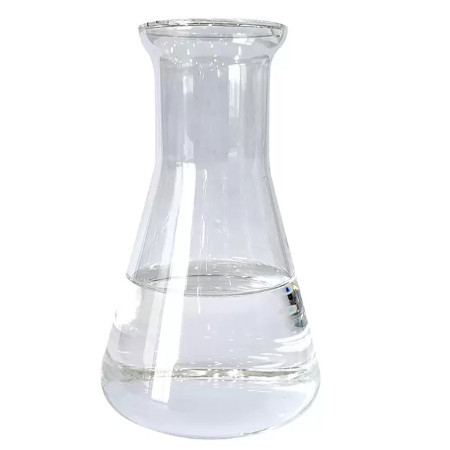
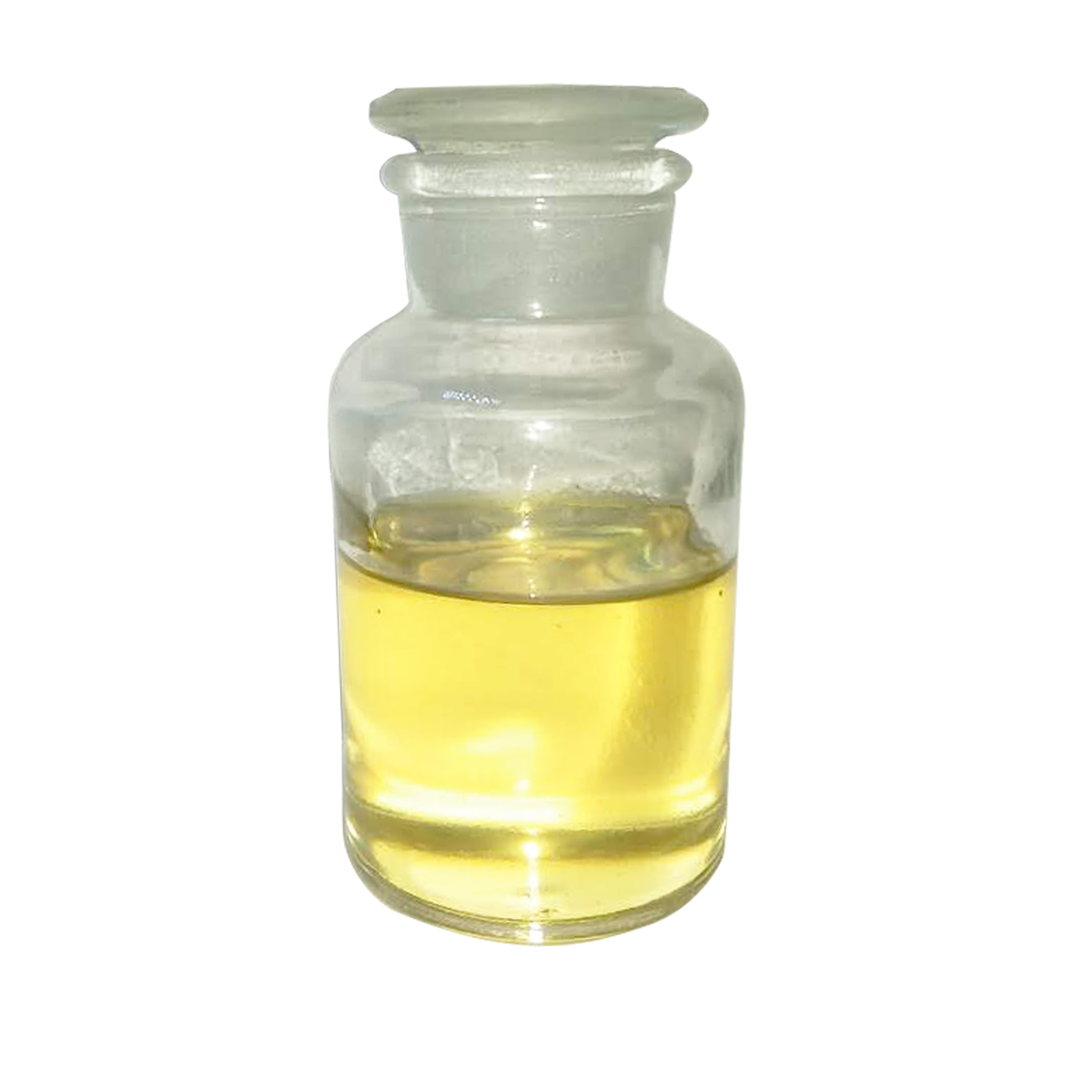
Isopropylated triphenyl phosphate, also known as REOFOS, is a halogen-free phosphate-based flame retardant and plasticizer that combines both flame-retardant and plasticizing properties. At room temperature, it is a colorless or pale yellow transparent liquid. It is primarily used in PVC, fiber resins, synthetic rubber, and anti-crush oils and provides flame retardancy without affecting the material’s physical properties or color.
Properties:
CAS | 68937-41-7 |
Molecular Weight | 390 |
Appearance | Colorless to pale yellow transparent liquid |
Viscosity (mPa·s, 25℃) | 53–64 |
Specific Gravity (20℃) | 1.168–1.180 |
Phosphorus Content (P%) | 8.3–8.5 |
Acid Value (mgKOH/g) | ≤0.1 |
Moisture Content | ≤0.1% |
Applications
IPPP50 is a halogen-free phosphate ester flame retardant and plasticizer that does not cause secondary environmental pollution; among phosphate ester products, it is a grade with moderate viscosity and phosphorus content. This product is colorless and transparent with excellent compatibility. It serves as both a flame retardant and a plasticizer, striking a balance between the two functions. It preserves the natural color and physical properties of the processed material and is widely used in various fields, including PVC, fiber resins, synthetic rubber, and pressure-resistant oils.

Triphenyl Phosphate, Trimethylbenzyl Phosphate and Toluene Diphenyl Phosphate
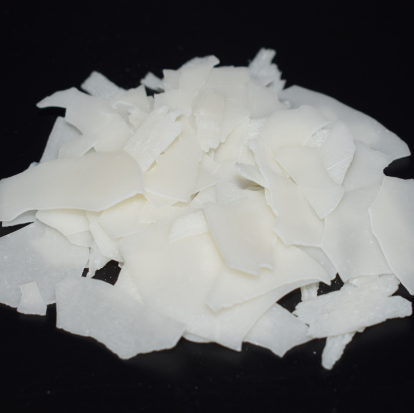
Triphenyl phosphate, abbreviated as TPP, is a phosphorus-containing compound. It is a white, odorless crystalline powder that is slightly hygroscopic. It is insoluble in water, slightly soluble in alcohol, soluble in benzene, chloroform, and acetone, and readily soluble in diethyl ether. It can be used as a halogen-free, environmentally friendly flame retardant and is dissolved in organic solvents. TPP is primarily used as a flame retardant for plastics in electrical appliances and automotive components, serving as a flame-retardant plasticizer for cellulose, polyester, rigid polyurethane foam, and engineering plastics such as PPO. It can be used in combination with other flame retardants.
Trimethylphenyl phosphate, abbreviated as TCP, is an organic compound. It is a colorless or pale yellow oily liquid that is insoluble in water but soluble in most organic solvents, such as ethanol and benzene. It is primarily used as a plasticizer. It is acutely toxic and poses a risk of extremely severe irreversible effects upon inhalation, skin contact, or ingestion. Trimethylphenyl phosphate is stable and non-volatile, possessing excellent flame retardancy, oil resistance, electrical insulation, and processability. It serves as a flame-retardant plasticizer in the production of vinyl resins, polyvinyl chloride (PVC), cables, rubber products, and flexible polyurethane foams; when combined with polymers, it provides good abrasion resistance, weather resistance, mold resistance, radiation resistance, and electrical properties. It can also be used as an additive in gasoline, lubricating oils, and hydraulic fluids.
Cresyl diphenyl phosphate (CDP) is a colorless or slightly yellowish transparent liquid with a faint phenolic odor. It is stable and non-volatile, offering excellent flame-retardant and plasticizing properties, oil resistance, aging resistance, electrical insulation, and processability; it is soluble in organic solvents and slightly soluble in water. It is primarily used as a flame retardant, plasticizer, and additive for gasoline and lubricants in materials such as PVC, VC copolymers, polyvinyl alcohol, formaldehyde, nitrocellulose, cellulose acetate, cellulose butyrate, and natural and synthetic rubbers.
TPP VS TCP VS CDP
Abbreviation | TPP | TCP | CDP |
Molecular Formula | C₁₈H₁₅O₄P | C₂₁H₂₁O₄P | C₁₉H₁₇O₄P |
Molecular Weight | 326.3 | 368.4 | 340.3 |
CAS | 115-86-6 | 1330-78-5 | 26444-49-5 |
Theoretical Phosphorus Content / % | 9.5 | 8.4 | 9.1 |
Appearance | White solid | Transparent liquid | Transparent liquid |
Freezing Point (Melting Point) / ℃ | 48~51 | −33 | −38 |
Density (20°C) / (g/cm³) | 1.18~1.21 | 1.17~1.18 | 1.20~1.21 |
Boiling Point | 370 | 410~440 | 235~255 |
Flash Point / ℃ | 220 | 215~230 | 232 |
Refractive Index (25℃) | 1.552~1.563 | 1.557~1.560 | 1.560~1.561 |
Toxicity LD₅₀ / (mg/kg) | 3000 | 300 | / |
Water Solubility | Insoluble | Insoluble | Insoluble |
Tetraphenyl Resorcinol Bis(diphenylphosphate)
Tetraphenyl resorcinol bis(diphenylphosphate), abbreviated as RDP, is a colorless to pale yellow transparent liquid. It is a high-molecular-weight phosphate ester flame retardant that exhibits lower volatility and superior flame-retardant properties compared to triaryl phosphate esters.
Applications
Pentaphenyl diphosphate is an oligomeric aromatic phosphate flame retardant characterized by high phosphorus content, high molecular weight, and low volatility. It exhibits low toxicity, good thermal stability, strong hydrolytic resistance, minimal plasticizing effects, and excellent flame-retardant performance. It is primarily used in engineering plastics such as modified polyphenylene oxide (PPO) and PC/ABS blends, as well as in polyurethane foams (high-resilience foam and molded foam). It is particularly suitable for automotive and household products, offering excellent thermal stability and long-term flame-retardant performance, while also preventing scorching.
Learn about "What are Halophosphate Additive Flame Retardants?"
Previous page:
Blog update
What are the types of chemical materials
2024-11-05
What do chemical materials do?
2024-11-05
What are the industrial chemicals
2024-11-05