

What Is Ethylhexyl Triazone?
2026-08-19
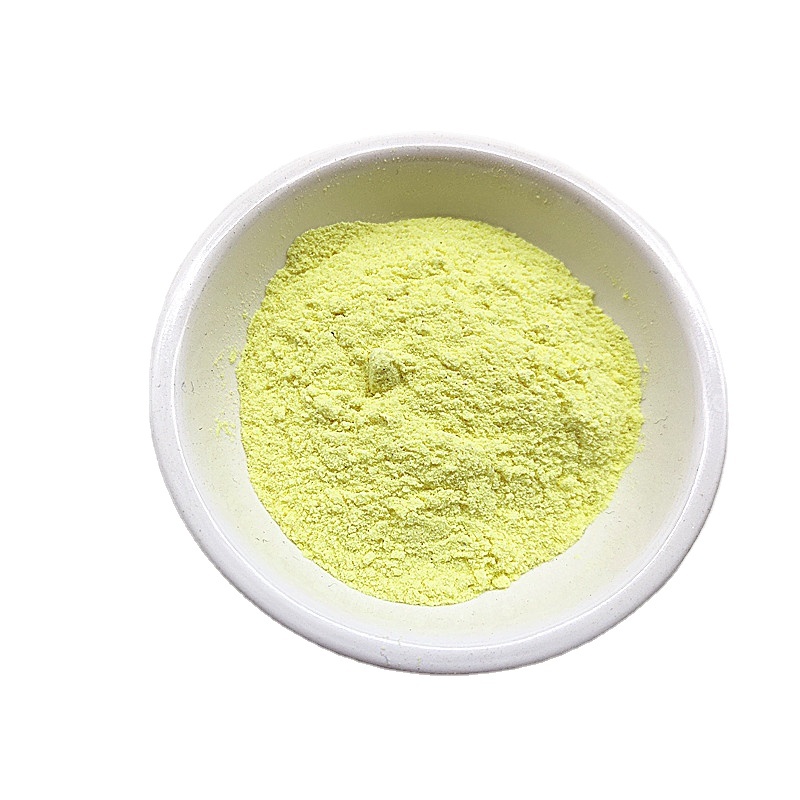
Ethylhexyl triazone is the oil-soluble UV absorber with the strongest UV-B absorption capacity. It exists as a pale yellow crystalline powder and features high light stability, water resistance, and affinity for skin keratin. It is widely used in sunscreens, rubber and plastic products, and food packaging.

How is Ethylhexyl Triazone prepared?
Ethylhexyl triazone is primarily synthesised from melamine (or trichlorocyanuric acid) and p-chlorobenzoic acid/p-aminobenzoate esters as starting materials. A crude product is first synthesised via a two-step process (such as condensation and esterification/ester exchange reactions), which is then purified by crystallisation under alkaline conditions.
What Are the Properties of Ethylhexyl Triazone?
Melting point | 128° |
Boiling point | 869.5±75.0°C (Predicted) |
Density | 1.129±0.06 g/cm³ (Predicted) |
vapor pressure | 0Pa at 20℃ |
Flash point | 307°C |
storage temp. | Keep in dark place, inert atmosphere, room temperature |
solubility | DMSO: 30 mg/mL (36.45 mM) |
pka | 1.22±0.10(Predicted) |
color | White to Light yellow |
Water Solubility | 5-7μg/L at 25℃ |
You Also Like



Is Ethylhexyl Triazone Safe?
Symbol(GHS) | GHS07 |
Signal word | Warning |
Hazard statements | H413 |
Precautionary statements | P273-P501 |
Risk Statements | 53 |
Safety Statements | 61-24/25 |
WGK Germany | 1 |
Storage Class | 11 - Combustible Solids |
Hazard Classifications | Aquatic Chronic 4 |
What is Ethylhexyl Triazone Used For?
Ethylhexyl triazone is the oil-soluble UV-B absorber with the highest UV-B absorption capacity. It has high photostability and prevents UV-B-induced immunosuppression. It is highly water-resistant and has good affinity for skin keratin.
Previous page:
Next page:
Blog update
What are the types of chemical materials
2024-11-05
What do chemical materials do?
2024-11-05
What are the industrial chemicals
2024-11-05