
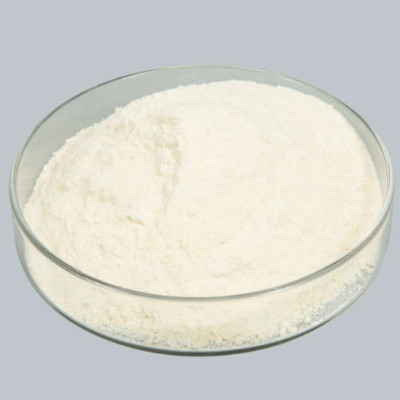


Polyvinyl Alcohol(PVA) CAS 9002-89-5
Category:
Product Description
Product Details
Introduction to Polyvinyl Alcohol (PVA) CAS 9002-89-5
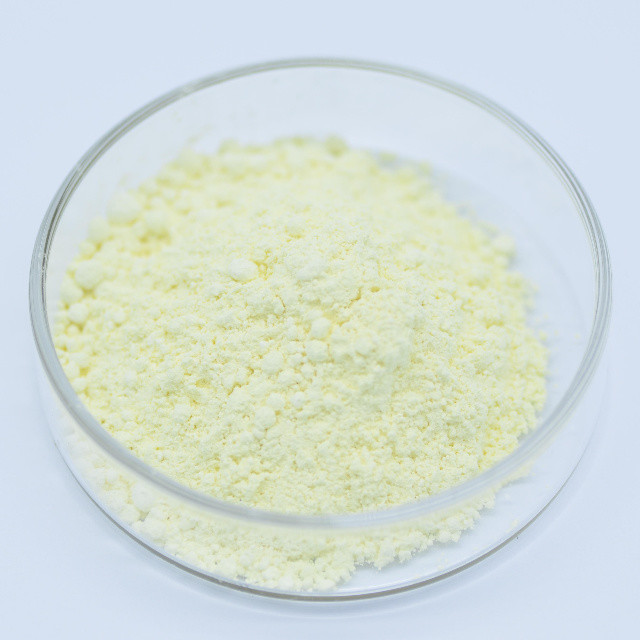
Polyvinyl alcohol is an important water-soluble synthetic polymer obtained by alcoholysis or hydrolysis of polyvinyl acetate. Particles, powders, or flocculent solids with a white to slightly yellow appearance.
The physical and chemical properties of PVA mainly depend on two key parameters: degree of polymerization (determining molecular weight) and degree of alcoholysis (percentage of hydroxyl-substituted acetate groups). The combination of these two parameters makes its performance diversified: PVA has a diverse performance spectrum from cold-water solubility to hot-water solubility, from high flexibility to high strength, with excellent film-forming properties, adhesion, emulsion stability, and excellent biocompatibility, and is non-toxic, odorless, and environmentally friendly.
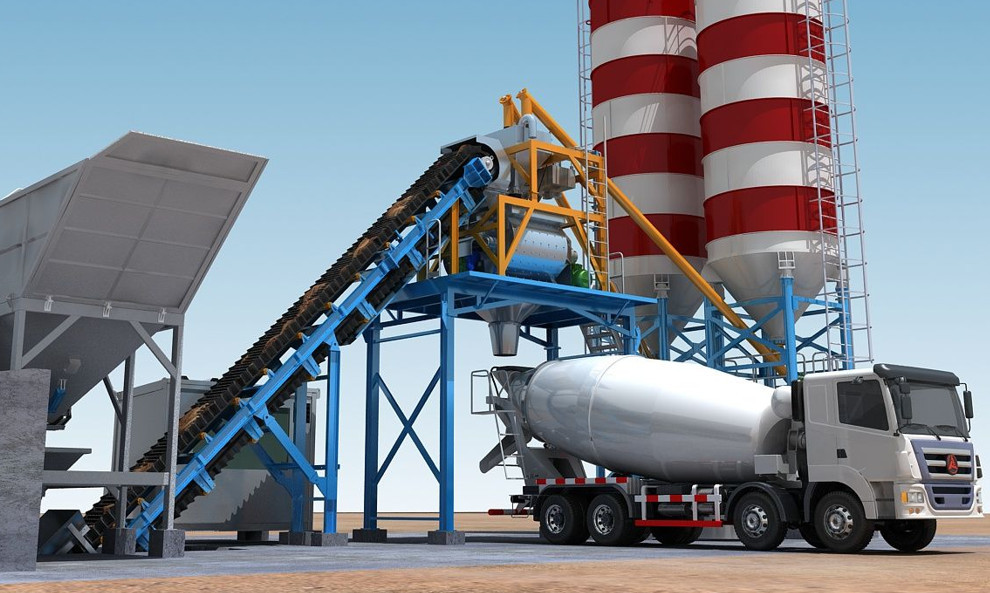
Polyvinyl Alcohol (PVA) CAS 9002-89-5 Properties:
Item | Details | Item | Details |
|---|---|---|---|
Common Name | Polyvinyl Alcohol (PVA) | Melting Point | 230–240 °C |
Synonyms | Vinyl alcohol polymer | Flash Point | 79 °C |
CAS No. | 9002-89-5 | Glass Transition Temperature | 75–85 °C |
EINECS No. | 209-183-3 | Applications | Adhesives, emulsifiers, dispersants, and protective colloids for water-based systems. |
Chemical Formula | C2H4Oₙ | Safety Phrases | S24/25 (Avoid contact with skin and eyes) |
Appearance | White to slightly yellow granules, powder, or flocculent solid | Hazard Symbol | Xn (Harmful) |
Risk Phrases | R36/38 (Irritating to eyes and skin); | Solubility | Solubility is highly dependent on the degree of hydrolysis: |
Polyvinyl Alcohol (PVA) CAS 9002-89-5 Applications:
PVA has become an extremely versatile chemical raw material. Not only is it used as a basic material for textile pulp, high-performance adhesives, paper processing agents, and packaging films, but it is also applied in biomedical fields such as pharmaceutical carriers, medical dressings, and tissue engineering scaffolds due to its good biocompatibility.
Adhesives & Construction
As the main raw material of 107 glue (polyvinyl formal), it is used for building decoration. It is an important component of water-based adhesives and rewetting adhesives
Textile Industry
Used as a warp sizing agent to improve yarn strength and wear resistance
Paper Industry
As a surface sizing and coating agent, it enhances paper strength, glossiness, and ink acceptance
Film & Packaging
PVA has excellent film-forming properties, and its thin film has a barrier effect on gases such as oxygen. Can be made into water-soluble films for pesticide packaging, detergent unit packaging, and medical embroidery lining. However, its poor water resistance limits its application in food packaging. PVA packaging films with antibacterial properties and sustained-release properties can be developed through modification or composites with other materials.
Polymerization Auxiliaries
As protective colloid and emulsion stabilizer, it is used for vinyl acetate (VAc) lotion polymerization and other monomer polymerizations (PVA 17-88 is commonly used)
Medical & Personal Care
By utilizing its biocompatibility and film-forming properties, PVA can be used to manufacture contact lenses, wound dressings, artificial joint lubricants, and drug delivery carriers [16]. At the same time, PVA is also used in cosmetics such as facial masks and cleansers. Polyvinyl alcohol-based composite hydrogel shows potential in the healing of infected wounds
Biomedical Materials
PVA is a non-toxic and biocompatible biosynthetic polymer that can form a hydrogel through chemical or physical cross-linking. Physically crosslinked hydrogels or blends with other biocompatible polymers are more suitable for biomedical applications. PVA is widely used in the design of biomedical materials, such as scaffolds in tissue engineering
Functional Materials
PVA can be used to prepare materials with special properties, such as composite materials for radiation shielding applications. It can also be used to prepare aerogels with excellent thermal insulation and flame retardancy
Related Search:

Package:
25kg/drum.
Keyword:
PolyVinyl Alcohol
PVA
CAS 9002-89-5
vinylalcohol polymer
PolyVinyl Alcohol for sale
what is PolyVinyl Alcohol ?
polyvinyl alcohol manufacturer
polyvinyl alcohol pva
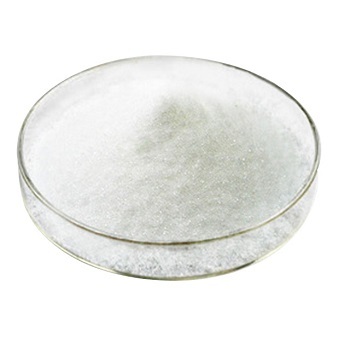
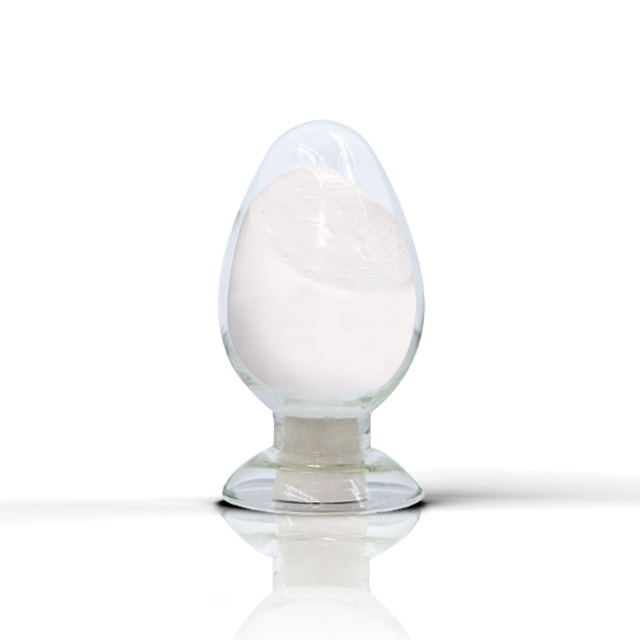
Send Inquiry
Leave a message immediately and receive free product consultation. We will arrange experts to contact you as soon as possible.