


Polyvinyl chloride(PVC) CAS 9002-86-2
Category:
Product Description
Product Details
Introduction to Polyvinyl Chloride (PVC) CAS 9002-86-2
Polyvinyl chloride (PVC), referred to as PVC in English, is a polymer formed by the polymerization of vinyl chloride monomer (VCM) according to the free radical polymerization mechanism. Vinyl chloride homopolymer and vinyl chloride copolymer are collectively referred to as vinyl chloride resin.
The molecular weight of industrially produced PVC is generally in the range of 50,000 to 110,000, with a large polydispersity. The molecular weight increases with a decrease in the polymerization temperature. It has no fixed melting point. It begins to soften at 80-85°C, becomes viscoelastic at 130°C, and begins to change to viscous flow at 160-180°C. It has favorable mechanical properties, tensile strength of about 60MPa, impact strength of 5-10kJ/m2; it has excellent dielectric properties.
PVC is one of the most produced general-purpose plastics in the world and is widely used. It is widely used in building materials, industrial products, daily necessities, floor leather, floor tiles, artificial leather, pipes, wires and cables, packaging films, bottles, foaming materials, sealing materials, fibers, etc.
Polyvinyl Chloride (PVC) CAS 9002-86-2 Applications
1. It is the world's largest-volume general-purpose plastic with a wide range of applications. Polyvinyl chloride resin can be divided into three types—industrial grade, food hygiene grade, and medical grade—based on the content of residual vinyl chloride monomer (VCM).
2. It is widely used in building materials, UPVC pipes, UPVC pipe fittings, profiles, furniture, decorative materials, floor leather, floor tiles, packaging materials, packaging films, industrial products, daily necessities, artificial leather, anti-corrosion coatings, electronic equipment wires, cables, tapes, plugs, electrical components, etc., plastic bottles, foaming materials, sealing materials, fibers, medical supplies, gloves, and cling film for certain foods.


Polyvinyl Chloride (PVC) CAS 9002-86-2 Specifications:
| Property | Unit | Typical Value |
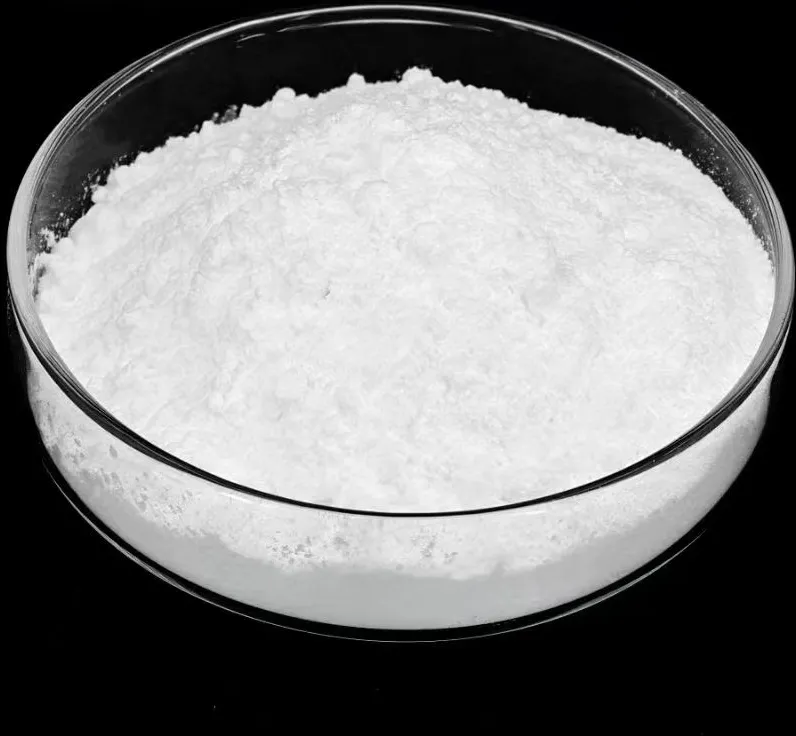
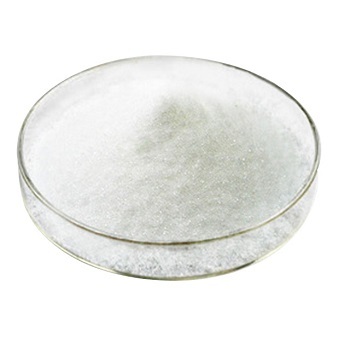
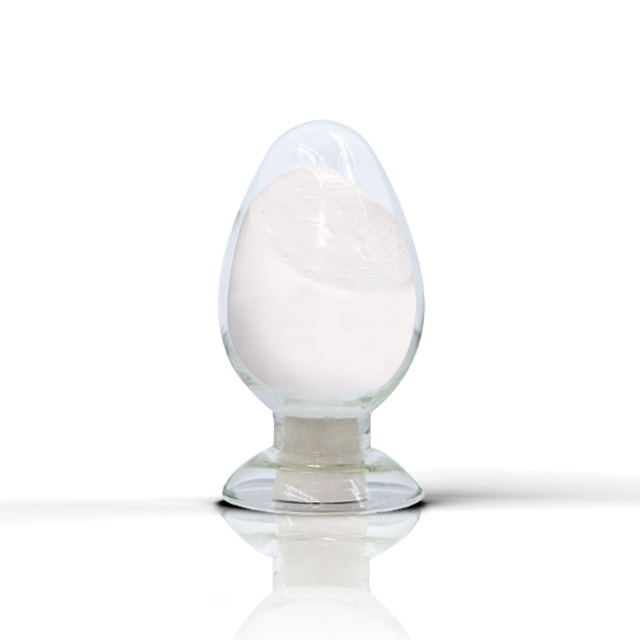
| Appearance | - | White powder |
| Relative Viscosity (1% THF solution, 25℃) | - | 1.41-1.46 |
| Apparent Density | g/ml | 0.78-0.88 |
| Volatiles (water included) | w/% | ≤0.10 |
| Residual Vinylidene Chloride | ug/g | ≤1 |
| Rcsidual Mcthyl Acrylate | ug/g | ≤6 |
| Impurities | unit | ≤10 |
| Water Vapor Transmission Rate | g/(m².24 h) | ≤5 |
| Oxgen Transmission Rate | c㎡/(㎡.24h. 0.1MPa) | ≤10 |
| Heavy Metal (Pb) | (mg/kg)(4 % acetic acid, 95℃,30min) | ≤1 |
Storage & transportation:
It should be lightly loaded and unloaded during transportation. It is strictly prohibited to prevent collision and avoid rain, exposure, and pollution. The product should be stored in a ventilated, dry, and clean warehouse, and heavy pressure is strictly prohibited.
FAQS:
What is polyvinyl chloride, and is it safe?
PVC is considered the most environmentally damaging plastic and one of the most toxic substances for inhabitants of our planet.
What type of resin is PVC?
Polyvinyl chloride resin, or PVC resin, is the raw form of PVC, a synthetic plastic polymer derived from chlorine and ethylene. It is a white and fragile plastic that must be mixed with different additives to create a material that improves its processing and final use characteristics.
Related Search:


Keyword:
polyvinyl chloride price
polyvinyl chloride material
polyvinyl chloride uses
Polyvinyl chloride
CAS 9002-86-2
Send Inquiry
Leave a message immediately and receive free product consultation. We will arrange experts to contact you as soon as possible.