


Microcrystalline cellulose CAS 9004-34-6
Category:
Product Description
Product Details
Introduction
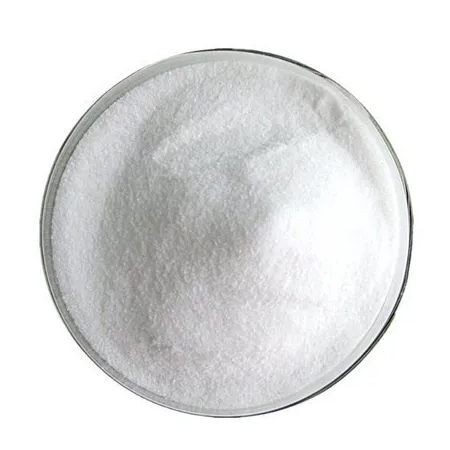
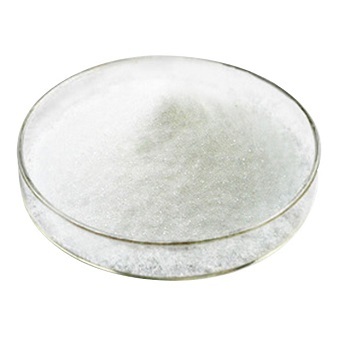
Microcrystalline cellulose (CAS 9004-34-6), abbreviated as MCC, is a free-flowing, extremely fine, short rod-shaped or powdered, porous granule produced by hydrolysing natural cellulose with dilute acid to the limit of degree of polymerisation (LODP). It consists of a white, odourless, and tasteless crystalline powder. Particle size generally ranges from 20 to 80 μm, with a limit of degree of polymerisation (LODP) between 15 and 375. It lacks fibrous properties but exhibits excellent flowability; it is insoluble in water, dilute acids, organic solvents, and fats but partially dissolves and swells in dilute alkaline solutions. It demonstrates high reactivity during carboxymethylation, acetylation, and esterification processes.
Product properties: white, fine, crystalline powder; odourless; tasteless; insoluble in water; dilute acid; dilute alkali solution and most organic solvents; can absorb water and swell.
Product use: anti-caking agent, emulsifier, binder, fragmentation agent, dispersant, tissue improver, and dietary fibre, according to EEC regulations, can be used for high-fibre bread, low-calorie candy, biscuits, cakes, pigments, spices, and edible acid fillers.

Properties
Melting point | 76-78°C (Solv: acetone (67-64-1); chloroform (67-66-3)) |
Density | 1.5 g/cm³ (20℃) |
bulk density | 70-400 kg/m³ |
refractive index | n20/D 1.504 |
Flash point | 164 °C |
storage temp. | room temp |
PH | 5-7.5 (100 g/l, H₂O, 20℃) (slurry) |
Odor | Odourless |
optical activity | -120 (Cuprammonium hydroxide solution) |
Viscosity | 50-150°C, 2.6 wt.% in H₂O Brookfield RTV spindle #1 (20 rpm) (lit.) |
biological source | spruce |
Water Solubility | insoluble |
Applications
Microcrystalline cellulose is widely used in sectors of the national economy, such as pharmaceuticals and healthcare, food and beverages, and light chemicals as a disintegrant, stabilizer, emulsifier, and more.
Pharmaceutical Industry: Microcrystalline cellulose is commonly used as an adsorbent, suspending agent, diluent, and disintegrant. It is widely applied in drug formulations, primarily serving as a diluent and binder in oral tablets and capsules; it can be used not only in wet granulation but also in dry direct compression. It also provides lubrication and disintegration properties, making it highly useful in tablet preparation.
Food Industry: In the food industry, microcrystalline cellulose serves as a dietary fiber and an ideal health food additive. It maintains the stability of emulsions and foams, ensures stability at high temperatures, and enhances the stability of liquids. It has been certified and approved by the Joint Expert Committee on Food Additives (JECFA), which is affiliated with the Food and Agriculture Organization of the United Nations (FAO) and the World Health Organization (WHO). Corresponding fiber products have subsequently emerged and are widely used in dairy products, frozen foods, meat products, and other food items.
Cosmetics: Microcrystalline cellulose can serve as a filler in the manufacture of various cosmetics, skin treatment and care products, and cleaning detergents.
You Also Like
Keyword:
Microcrystalline cellulose
CAS 9004-34-6
Send Inquiry
Leave a message immediately and receive free product consultation. We will arrange experts to contact you as soon as possible.