
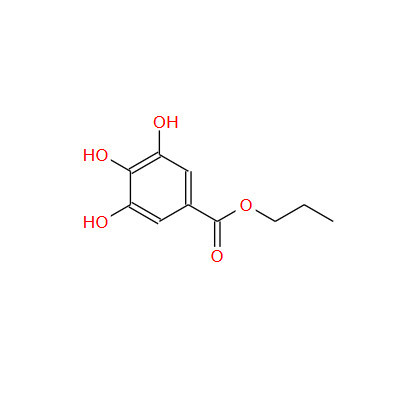

Propyl Gallate CAS 121-79-9
Category:
Product Description
Product Details
Introduction
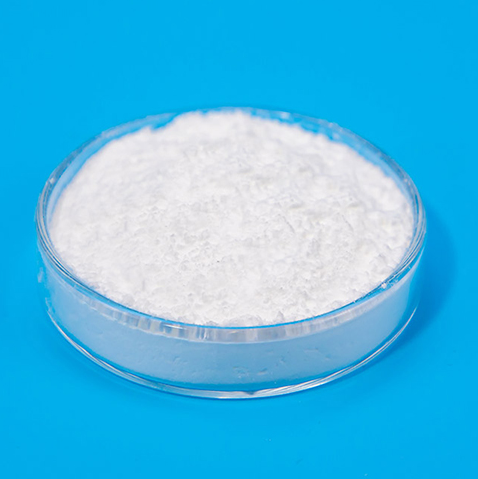
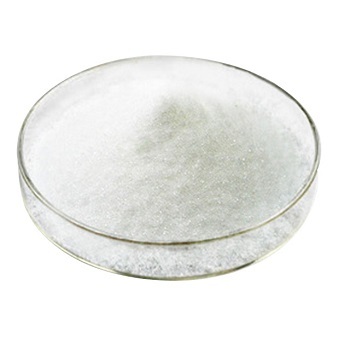
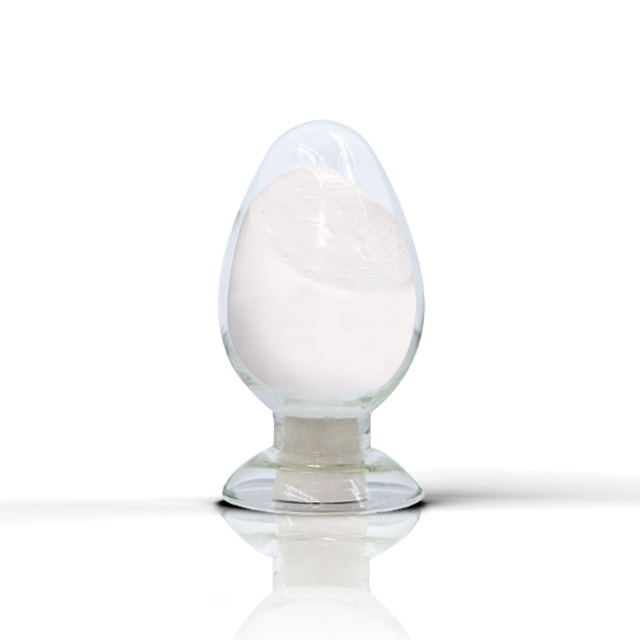
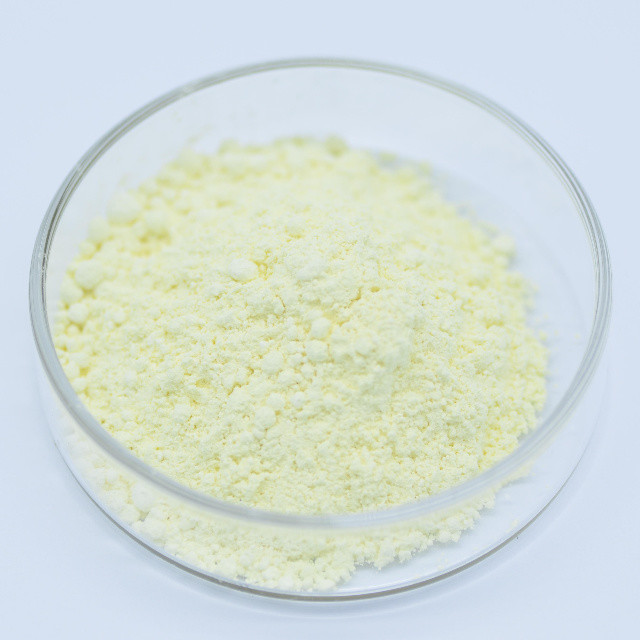
Propyl gallate, abbreviated as PG, is a white to pale yellowish-brown crystalline powder or milky-white needle-like crystals. It is odorless, with a slightly bitter taste, and its aqueous solution is tasteless. It is hygroscopic, and exposure to light can accelerate its decomposition. It is sparingly soluble in water but readily soluble in hot water, ethanol, diethyl ether, propylene glycol, glycerol, cottonseed oil, peanut oil, and lard. Its melting point ranges from 146 to 150°C. It is relatively heat-sensitive and decomposes at its melting point; therefore, it has poor stability when used in food products. It is not heat-resistant and is not suitable for baking. Its maximum permitted level is 0.1 g/kg.
Application
Propyl gallate (PG) is a synthetic oil-soluble antioxidant widely used in the food industry, pharmaceutical preparations, and cosmetics and as an inhibitor of ultraviolet radiation.
Antioxidant
Propyl gallate, as an antioxidant, can be used in edible oils, fried foods, dried fish products, biscuits, instant noodles, instant rice, canned nuts, and cured meat products. Propyl gallate, as a fat-soluble antioxidant, is suitable for use in plant oils and fats. It has significant effects on stabilizing soybean oil, cottonseed oil, palm oil, unsaturated fats, and hydrogenated vegetable oils. When used in combination with a synergist, the antioxidant effect of propyl gallate is better, and the effect is also better when mixed with butyl hydroxyanisole and dibutyl hydroxytoluene than when used alone
Food Discoloration
Due to the formation of purple complexes between propyl gallate and iron ions, it can cause food discoloration. So it is best to use it together with an appropriate metal chelating agent, citric acid.
Limited edition standard
When mixed with dibutyl hydroxytoluene and butyl hydroxyanisole, the total amount of the latter two should not exceed 0.1g/kg. Propyl gallate should not exceed 0.05 g/kg (maximum usage based on fat).
Safety
GRAS (US Code of Federal Regulations CFR § 184.1660: When the total amount of antioxidants does not exceed 0.02% of the oil content in food, it is considered GRAS (2010).
Package:
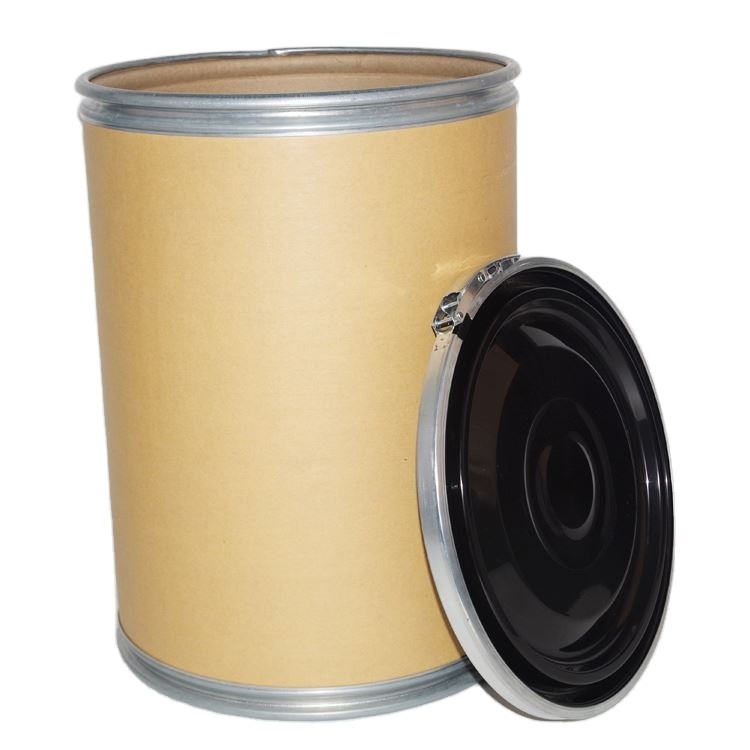
25kg/drum.
Keyword:
Propyl Gallate
CAS 121-79-9
Send Inquiry
Leave a message immediately and receive free product consultation. We will arrange experts to contact you as soon as possible.