

PTFE vs. PVDF: What Are the Difference?
2026-09-04
PVDF and PTFE belong to the family of fluoropolymers. Both are known for their chemical resistance. However, they differ fundamentally in technical terms. Anyone who believes they are “more or less the same” risks choosing the wrong material, incurring higher maintenance costs, or even experiencing premature failure.

What Is PTFE?
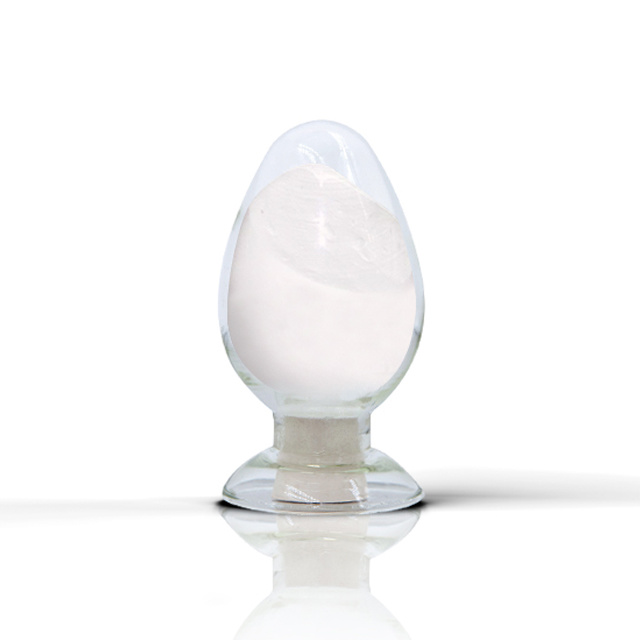
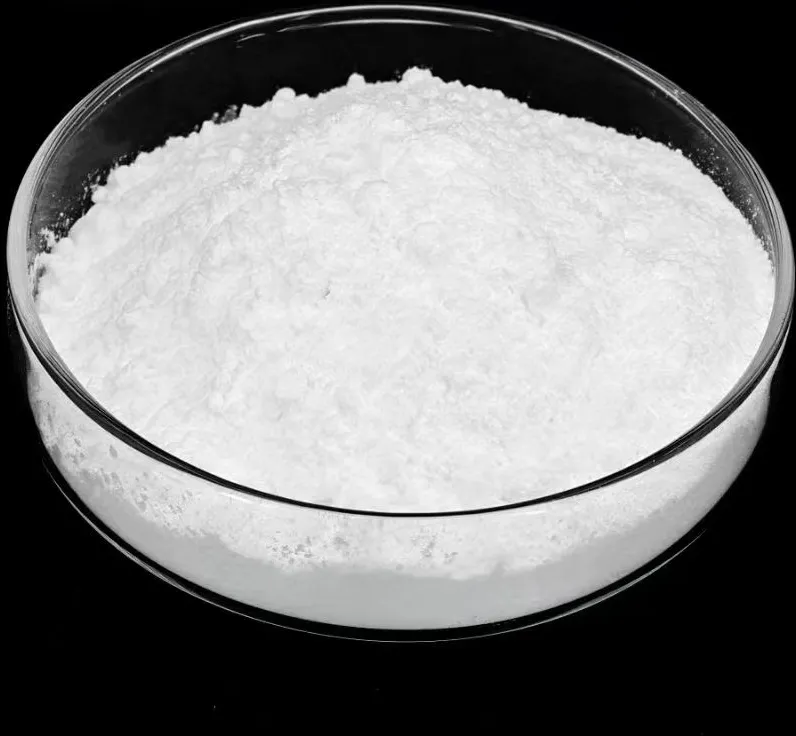
Polytetrafluoroethylene, abbreviated as PTFE and commonly known as the “King of Plastics,” is a high-molecular-weight polymer produced by the polymerization of tetrafluoroethylene as a monomer. It offers excellent heat and cold resistance, can be used long-term at temperatures ranging from -180 to 260 °C, and is resistant to acids, alkalis, and various organic solvents. It is virtually insoluble in all solvents and also exhibits high-temperature resistance. Its coefficient of friction is extremely low, so in addition to serving as a lubricant, it has also become an ideal coating for the inner lining of easy-to-clean water pipes.


What Is PTFE Used For?
Corrosion Resistance
Due to its outstanding corrosion resistance, PTFE has been widely used in many industries, including the petroleum and textile sectors. Typical applications include exhaust pipes, steam pipes, high-, medium-, and low-pressure pipelines, and valves. PTFE’s advantages are particularly evident in harsh environmental conditions—such as low temperatures and anti-adhesion requirements—where conventional materials cannot be used.
Electronics and Electrical Engineering
Polytetrafluoroethylene (PTFE) has a relatively low dielectric constant, making it suitable for the production of enameled wire used in micro motors. In addition, fluoroplastic films exhibit a certain degree of selective permeability to various gases, a property that can be utilized in the manufacture of oxygen sensors. Today, PTFE materials in various forms play a significant role in the field of electrical and electronic insulation. PTFE-coated glass cloth and glass cloth are used to manufacture high-temperature, high-frequency insulation materials for applications such as satellite communications and computers; PTFE film is used to manufacture capacitors, as insulation layers between instruments, gaskets, and cables; and PTFE thin-walled tubes of various diameters are used for lead wire sleeves, heat-shrinkable tubing, spiral tubing, and insulated water supply tubes for generators, among other applications.
Medical Applications
Due to the excellent biocompatibility of polytetrafluoroethylene (PTFE), many researchers have conducted in-depth studies on it as a biomaterial in recent years. In recent years, both domestically and internationally, PTFE membranes have been developed for use as artificial organs, such as artificial blood vessels and heart valves. For example, their clinical application as artificial blood vessels and as prosthetic scaffold materials in rhinoplasty has yielded good results.
Architecture
By coating ultra-fine glass fiber fabric with PTFE resin, PTFE membrane materials are lightweight, high-strength, fire-resistant, and self-cleaning. They are unaffected by ultraviolet radiation, resistant to fatigue, distortion, and aging, and have a long service life. They also feature high light transmittance and minimal heat absorption. It is precisely because of the invention of this revolutionary membrane material that membrane structures have become modern, permanent buildings.
What Is PVDF?
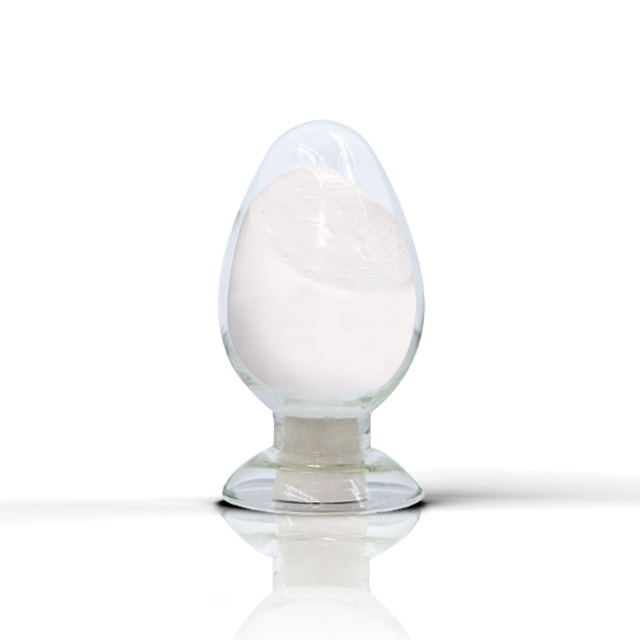
Polyvinylidene fluoride, abbreviated as PVDF, is a white, powdery, crystalline polymer with a relative density of 1.75–1.78 and a melting point of 166–170°C. It possesses properties such as high-temperature resistance, chemical corrosion resistance, and hydrolysis resistance. Its operating temperature range is –30°C to +150°C. As a pure polymer, it is widely used in pure water systems and the semiconductor industry for the transport of chemical reagents and is fabricated into equipment components such as tanks and pipes through welding. Additionally, this material combines high strength, low flammability, and excellent electrical insulation properties, making it suitable for applications in the electronics industry, chemical processing plants, and food processing machinery.

What Is PVDF Used For?
Semiconductor Industry
PVDF is used in the transport of pure chemical reagents, components for liquid crystal displays, and ultrapure water systems.
Chemical Processing Plants
Valves, seals, and other corrosion-resistant components used in PVDF manufacturing.
Food Processing Equipment
PVDF is suitable for wear-resistant components in food processing equipment and packaging machinery.
Chemical and Physical Properties
| PVDF | PTFE |
Melting point | 166-170°C | 327°C |
Boiling point | -85.7°C | 400°C |
Density | 1.78 g/mL at 25°C | 2.15 g/mL at 25°C |
refractive index | n20/D 1.42 | 1.35 |
storage temp. | Sealed in dry, room temperature | Store at -20°C. |
solubility | some polar solvents such as organic esters and amines: soluble | Solubility in water |
Hazard Codes | C, T | Xi, T, Xn |
Safety Statements | 22-24/25 | 26-39-24/25-45-22-53-23 |
WGK Germany | 3 | 3 |
Storage Class | 11 - Combustible Solids | 10 - Combustible liquids |
When Do You Choose Which Material?
Choose PVDF if:
- The temperature remains below 150°C
- Pressure resistance is important
- You require a fully welded system
- Mechanical stability is essential
- You want to optimise total cost of ownership
Choose PTFE if:
- The temperature exceeds 150–200°C
- Maximum chemical inertness is required
- Low friction is critical
- Mechanical load is limited
Previous page:
Blog update
What are the types of chemical materials
2024-11-05
What do chemical materials do?
2024-11-05
What are the industrial chemicals
2024-11-05