

PVC VS. PVDC:What Is The Difference Between PVC and PVDC?
2026-07-30
PVC and PVDC are polymers composed of a large number of monomer units linked together by covalent bonds. PVC stands for polyvinyl chloride, while PVDC stands for polyvinylidene chloride. The key difference between PVC and PVDC is that PVC is made from vinyl chloride monomers, whereas PVDC is made from vinylidene chloride monomers.

What Is PVC?
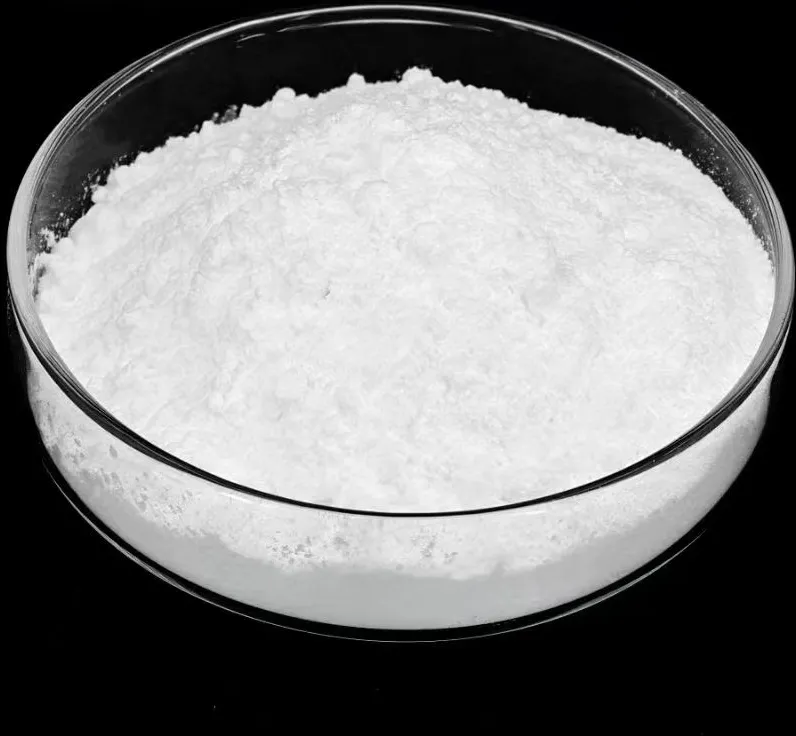
Polyvinyl chloride, abbreviated as PVC, is a polymer formed by the free-radical polymerisation of vinyl chloride monomers using initiators such as peroxides and azo compounds, or under the influence of light and heat. It appears as a white powder, is non-toxic and odourless, and typically has a molecular weight ranging from 50,000 to 110,000 (for industrial-grade pure PVC). Its relative density is 1.35 to 1.45, and it has very low water absorption and gas permeability (for pure PVC). It is insoluble in water, gasoline, alcohol, and vinyl chloride, but soluble in ketones, esters, and chlorinated hydrocarbon solvents. Polyvinyl chloride has good chemical resistance and decent electrical insulation properties, but it has poor impact resistance and is unstable when exposed to oxygen and heat, making it prone to degradation.
Polyvinyl chloride can be processed using methods such as extrusion, injection moulding, calendering, and blow moulding to produce pipes, pipe fittings, rods, profiles, films, sheets, insulation materials for wires and cables, artificial leather, floor tiles, toys, shoes, bottles, records, foam materials, sealing materials, fibres, and other products. It is widely used in light industry, construction, agriculture, power generation, and daily life.
What Is PVCD?
Polyvinylidene chloride (PVDC) is a polymer of 1,1-dichloroethylene. Its glass transition temperature is –17°C, its melting point is 198–205°C, and its crystalline density is 1.96 g/cm³. It possesses properties such as flame resistance, corrosion resistance, and good gas barrier properties. Due to its high polarity, it is insoluble in common solvents at room temperature. Its disadvantages include poor light and heat stability, as well as difficulty in processing. Polyvinylidene chloride can be processed into sheets, pipes, moulded parts, films, and fibres and is also used in coatings, adhesives, and other applications. Because it is highly sensitive to irradiation such as ultraviolet light and electron beams and decomposes to produce small amounts of hydrogen chloride, it is also used in acid-sensitive recording materials.
You Also Like


What Is The Difference Between PVC and PVDC?
Properties
Name | PVDC | PVC |
CAS No. | 9002-85-1 | 9002-86-2 |
Molecular Formula | C2H2Cl2 | (C2H3Cl)x |
Molecular Formula | 96.94 |
|
Melting point | 210 °C (decomp.) | 170-195 °C (decomp) |
Density | 0.02 g/cm³ | 1.4 g/mL at 25 °C (lit.) |
Risk Statements | 36/37/38 | 36/37/38 |
Safety Statements | 26-36/37/39 | 26-36/37-61 |
WGK Germany | 3 | 3 |
Storage Class | 11 - Combustible Solids | 11 - Combustible Solids |
Chemical structure
PVC: repeat unit –CH₂–CHCl– (one chlorine per two-carbon monomer).
PVDC: repeat unit –CH₂–CCl₂– (two chlorines on one carbon in the monomer), giving a higher chlorine content and different polarity.
Barrier Properties
PVDC offers significantly superior barrier properties against gases, oxygen, moisture, and aromas. The typical oxygen transmission rate and water vapour transmission rate of PVDC film are far lower than those of PVC film of similar thickness.
Unplasticised PVC has higher mechanical strength and rigidity; flexible PVC (containing plasticisers) is widely used in films, pipes, and profiles, but its barrier properties are inferior to those of PVDC.
Chemical and thermal behavior
PVDC offers significantly superior barrier properties against gases, oxygen, moisture, and aromas. The typical oxygen transmission rate and water vapour transmission rate of PVDC film are far lower than those of PVC film of the same thickness.
Unplasticised PVC has higher mechanical strength and rigidity; plasticised PVC (containing plasticisers) is widely used in films, pipes, and profiles, but its barrier properties are inferior to those of PVDC.
Cost and availability
PVC is a high-volume, low-cost commodity polymer that is widely available globally in a variety of grades.
PVDC is a more specialised material and is typically more expensive; it is used when its superior barrier properties justify the cost.
You Also Like
Previous page:
Next page:
Blog update
What are the types of chemical materials
2024-11-05
What do chemical materials do?
2024-11-05
What are the industrial chemicals
2024-11-05