

What Is 3 Vinyloxazolidin 2 One?
2026-11-12
3-Vinyloxazolidin-2-one (CAS 4271-26-5) is a low-viscosity, highly reactive, strong-adhesion, low-odour and low-toxicity vinyl-based reactive monomer. It is primarily used as a reactive diluent or copolymer in UV curing systems and is particularly suitable for low-energy surfaces (PP/PE), UV inkjet printing, adhesives and low-odour, environmentally friendly formulations.

What Are the Core Properties of NVO?
CAS | 4271-26-5 |
Molecular formula | C₅H₇NO₂ |
Molecular weight | 113.11 |
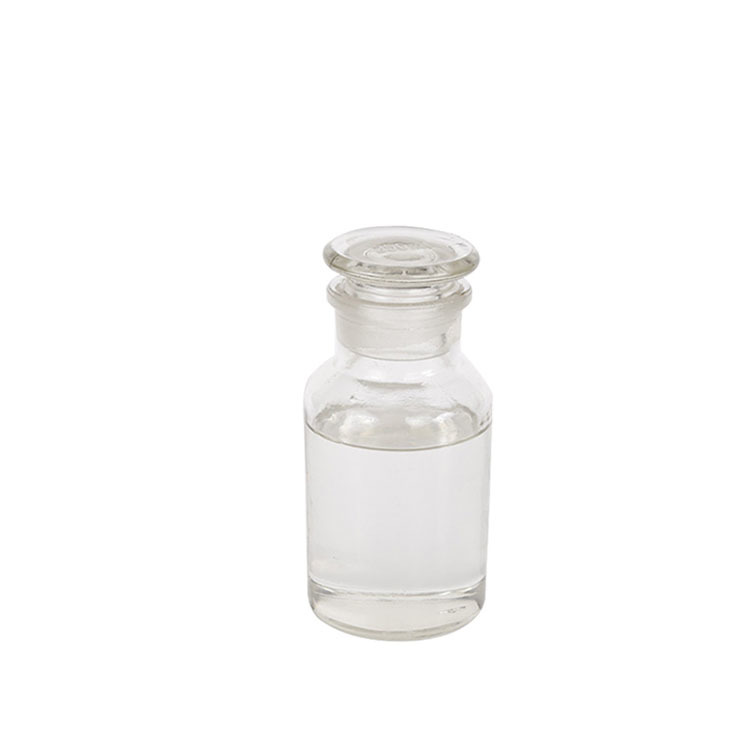
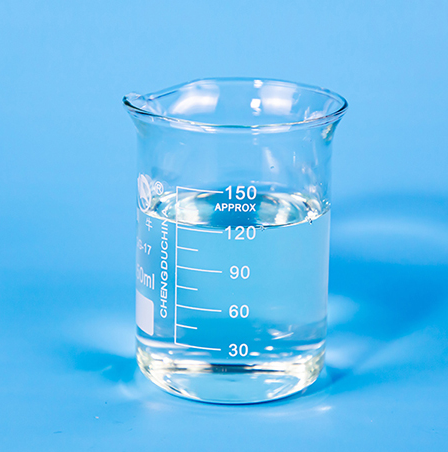
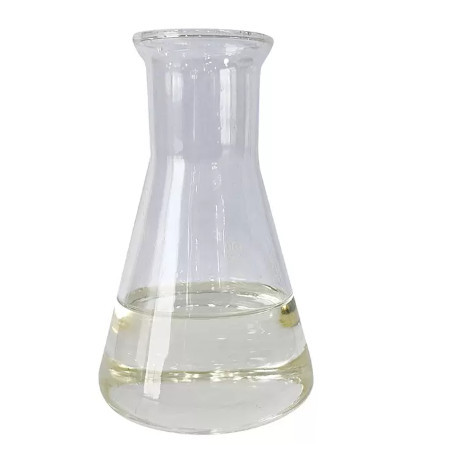
Appearance | Colourless to pale yellow transparent liquid |
Viscosity (25 °C) | ≈5–8 mPa·s (extremely low, similar to water) |
Solubility | Fully miscible with water, alcohols, esters, ketones and acrylate systems |
Curing type | Radical UV curing; highly compatible with acrylates |
NVO Vs. NVC: Why Choose NVO?
The greatest value of NVO lies in its ease of production as a room-temperature liquid, with a low odour, greater regulatory safety and superior resistance to evaporation; on most ink substrates, its adhesion is comparable to that of NVC.
Comparison Item | NVO | |
|---|---|---|
Form at Ambient Temperature | Solid, melting point ≈34~38°C. Must be melted before feeding. Prone to crystallisation in winter, causing blockage of pipelines and filters. | Liquid at room temperature. No heating required. Easier feeding, pumping and inkjet delivery. |
Homopolymer Tg | High Tg delivers better coating hardness and abrasion resistance. | Lower Tg than NVC. Hardness decreases slightly after substitution. while toughness is improved. |
Curing Activity & Oxygen Inhibition | High reactivity, excellent resistance to oxygen inhibition; faster curing under a mercury lamp. | Good reactivity, inferior to NVC in anti‑oxygen‑inhibition performance; smaller performance gap in LED curing systems. |
Adhesion | Strong adhesion to PET, PE, PP, ABS, metal and glass; a classic adhesion monomer in the industry. | Good adhesion, compatible with most substrates as an alternative to NVC; slightly weaker performance on low‑surface‑energy plastics. |
Odor & Irritation | Distinct acrylamide‑like odor with obvious residual odor. | Much lower odor; ideal for low‑odor ink formulations. |
Yellowing Resistance | From moderate to medium. There is no amine structure, but it is extremely hygroscopic and hydrophilic. The coatings tend to turn slightly yellow after high-temperature baking or storage in high humidity; they are sensitive to white inks and transparent coatings. | Superior. Free of easily oxidizable amine or aromatic moieties. Low odor and low residue, less yellowing tendency for white inks, clear coats and light‑coloured systems; greater advantages under LED curing. |
Viscosity & Diluting Power | Very low viscosity after melting and excellent diluting capacity. | Low viscosity at room temperature; diluting power slightly lower than molten NVC. |
Regulatory & Toxicity Risk | Subject to regulatory scrutiny; restricted in some overseas markets, raising concerns for export‑oriented customers. | More favourable toxicological profile with lower compliance risk, suitable for food packaging and indoor ink applications. |
Storage | Prone to self‑polymerisation under prolonged ambient storage or high temperature; demanding storage conditions. | Stable in the liquid state during storage, resistant to crystallisation. |
What Is NVO Used For?
NVO (CAS 4271-26-5) is an important functional vinyl monomer, used primarily as an active diluent in high-performance UV curing systems.
Excellent adhesion: This polymer exhibits excellent adhesion to common substrates, particularly to materials that are difficult to coat, such as polyethylene and polypropylene.
High reactivity: It exhibits high copolymerisation reactivity with acrylates, making it suitable for lamp-curable printing and coating systems.
Ideal substitute: In applications such as UV inkjet printing inks, it can replace N-vinylcaprolactam or N-vinylpyrrolidone, offering both high reactivity and low viscosity.
You Also Like
Previous page:
Blog update
What are the types of chemical materials
2024-11-05
What do chemical materials do?
2024-11-05
What are the industrial chemicals
2024-11-05