

What Is Bismuth subnitrate?
2026-08-20
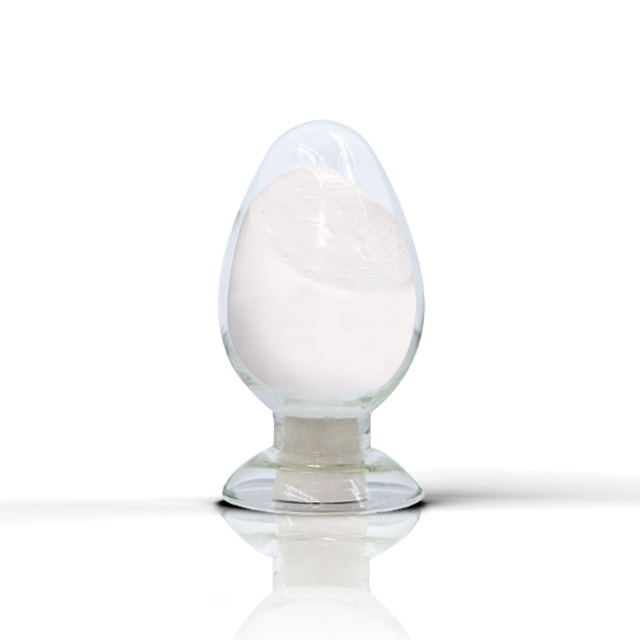
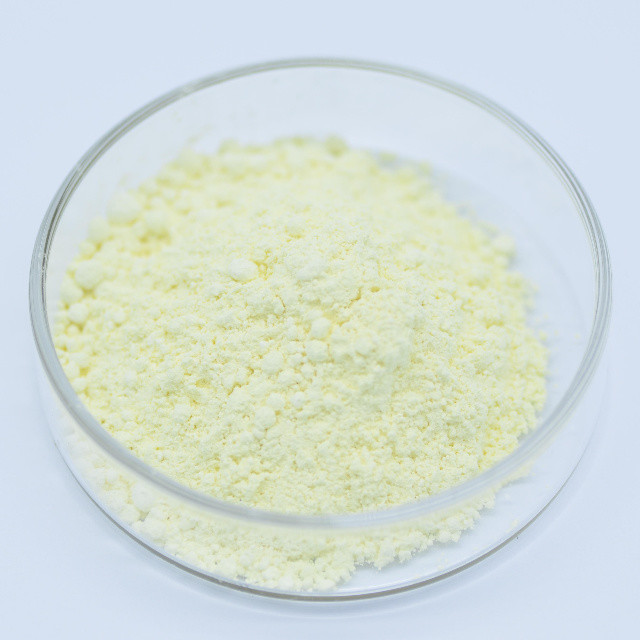
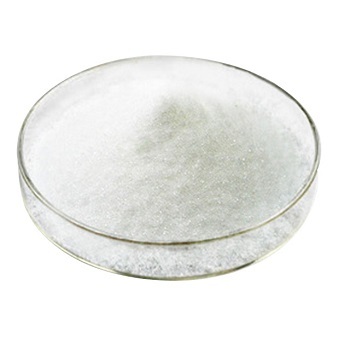
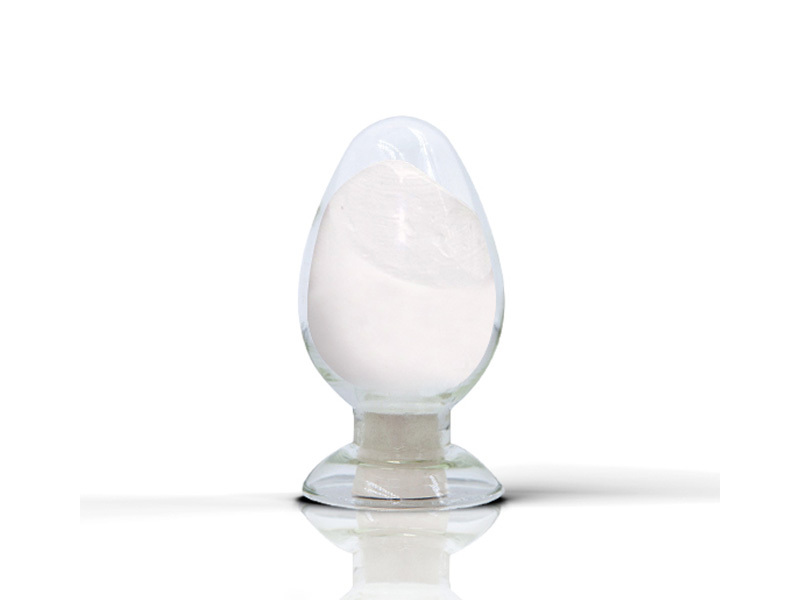
Bismuth subnitrate, with the chemical formula Bi₅H₉N₄O₂₂ (abbreviated as BiN₃O₉), is a white powder with a density of 4.928 g/cm³, a melting point of 260°C, is slightly deliquescent, and is readily soluble in dilute hydrochloric acid, nitric acid, and dilute sulphuric acid; it is sparingly soluble in water, ethanol, and glycerol. When heated, it decomposes to form bismuth oxide and nitrogen oxide. It must be stored in a sealed container in a cool, dry place, away from reducing agents and organic compounds, and ensure that the work area is well-ventilated or equipped with an exhaust system.

What Are the Properties of Bismuth Subnitrate?
Melting point | 260°C |
Density | 4.928 |
bulk density | 600 kg/m³ |
vapor pressure | 0Pa at 20℃ |
storage temp. | Store at +5°C to +30°C. |
solubility | Practically insoluble in water and in ethanol (96 per cent). It dissolves in mineral acids with decomposition. |
PH | 3.2 (50 g/l, H₂O, 20℃) (slurry) |
Water Solubility | Practically insoluble in water and alcohol. Soluble in dilute HNO₃ } and HCl |
Sensitive | Hygroscopic |
Risk and Safety Statements
Symbol(GHS) | GHS03, GHS07 |
Signal word | Danger |
Hazard statements | H272-H315-H319-H335 |
Precautionary statements | P210a-P220-P221-P305+P351+P338-P405-P501a |
PPE | Eyeshields, gloves, and type P3 (EN 143) respirator cartridges |
Hazard Codes | O, Xi |
Risk Statements | 8-36/37/38 |
Safety Statements | 17-26-36/37/39-36 |
WGK Germany | 3 |
HazardClass | 5.1 |
PackingGroup | II |
Storage Class | 13 - Non Combustible Solids |
How Is Bismuth Subnitrate Made?
This substance is prepared through a double decomposition reaction between bismuth nitrate and ammonia water or sodium carbonate (pH = 1.7–1.9); its chemical composition is influenced by process conditions. Crystalline bismuth nitrate is prepared as an aqueous suspension; purified sodium carbonate solution or ammonia water is added to adjust the pH, and the reaction proceeds under continuous stirring. The reaction product is filtered, washed, and dried to yield the final product. Industrially, the double decomposition method is employed, in which bismuth nitrate is mixed with water and the pH is adjusted to 1.7–1.9 using ammonia water or sodium carbonate to carry out the double decomposition. The reaction equation is as follows.
What Is Bismuth Subnitrate Used For?
In the medical field, bismuth subnitrate is used as an antidiarrheal and an antacid and is indicated for conditions such as gastric ulcers and diarrhea; in industry, it is used to catalyze the Markovnikov-type hydration reaction of terminal alkyne compounds and in the production of ceramic glazes.
Previous page:
Next page:
Blog update
What are the types of chemical materials
2024-11-05
What do chemical materials do?
2024-11-05
What are the industrial chemicals
2024-11-05