


C9 Cold Polymerized Petroleum Resin
Category:
Product Description
Product Details
Introduction of C9 Cold Polymerised Petroleum Resin
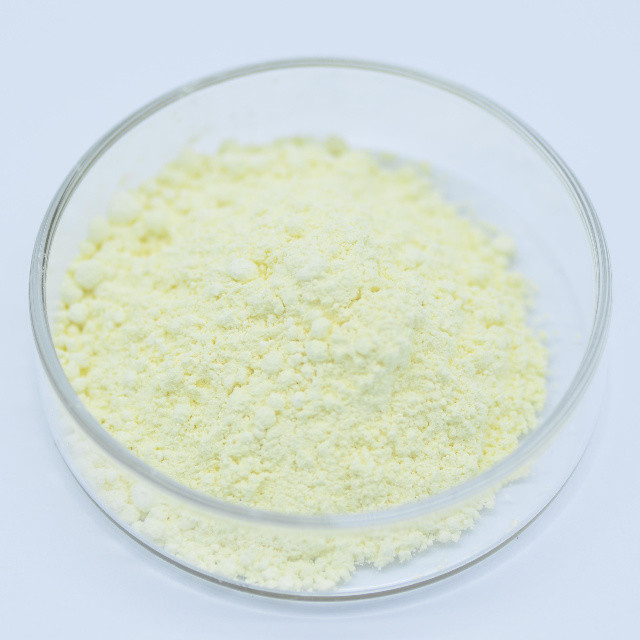
C9 cold polymerised, also known as aromatic hydrocarbon resin or C9 hydrocarbon resin, is a synthetic resin derived from the polymerization of C9 aromatic hydrocarbons. It uses cracked C9 fraction as a raw material and reacts under the action of a catalyst to produce a yellow transparent solid. C9 petroleum resins can be classified into thermal polymerization, cold polymerisation, and tar-based types, among which the cold polymerization product features a lighter colour and higher quality.
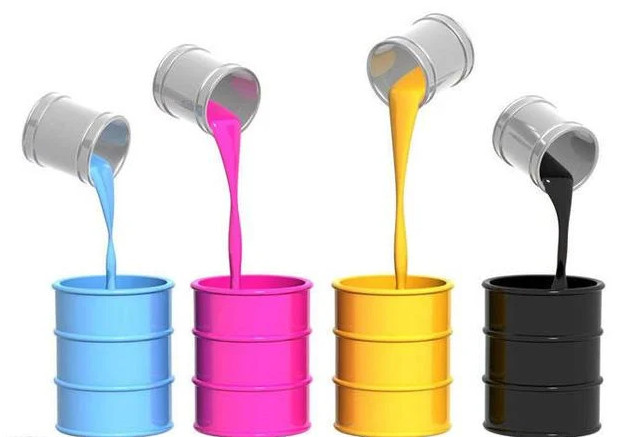
C9 cold polymerized petroleum resin is mainly used as an additive in paint, rubber, adhesive, ink, plastic floor tiles, modified asphalt, and other industries.
Properties
Due to the absence of polar groups in the structure of petroleum resin C9, it exhibits excellent water resistance, acid and alkali resistance, weather resistance, and light aging resistance. It also has good solubility in organic solvents, good compatibility with other resins, and properties of brittleness, tackifying, adhesiveness, and plasticity.
| Parameter | Details |
| Appearance | Light yellow to dark brown, transparent solid |
| Softening Point | 95°C – 105°C |
| Acid Value | ≤ 1.0 mg KOH/g |
| Colour (Gardner) | 8 Max |
| Ash Content | ≤ 0.1% |
| Solubility | Soluble in aromatic and aliphatic hydrocarbons, esters, and ketones |
| Melt Viscosity | 220 mPa·s |
| Compatibility | Compatible with various resins, rubbers, and polymers |
| Standards | Meets many international industry standards |
Types
| Type | Soft point ( ℃) | Gardner Colour | Application |
| KP-1003 | 100±5 | 2.1-3.0 | Hot melt adhesive, packing adhesive |
| KP-1004 | 100±5 | 3.1-4.0 | Hot melt adhesive, packing adhesive |
| KP-1104 | 110±5 | 3.1-4.0 | Hot melt adhesive, packing adhesive |
| KP-1204 | 120±5 | 3.1-4.0 | Hot melt adhesive, paints |
| KP-1206 | 120±5 | 5.1-9.0 | Paints and coatings |
| KP-1304 | 130±5 | 3.1-4.0 | Paints and coatings |
| KP-1404 | 140±5 | 3.1-4.0 | Paints and coatings |
| KP-100 | 100±5 | 4.0-8.0 | Hot melt adhesive, paints and coatings |
| KP-140 | 140±5 | 4.0-8.0 | Ink, adhesive and paint |
What Are the Different Types of C9 Petroleum Resins?
C9 petroleum resin, also known as aromatic petroleum resin, is classified into thermally polymerised, cold-polymerised, and tar-based types.


What is C9 Petroleum Resin Used For?
C9 petroleum resin is generally not used alone but rather in combination with other materials to improve product performance and reduce costs. C9 petroleum resin is primarily used as a modifying additive and is widely applied in four major areas: coatings, adhesives, rubber, and printing inks.
1. Paint Industry
In the coatings industry, petroleum resins can be combined with other resins to completely or partially replace expensive resins, thereby reducing costs and improving various properties of products such as gloss, hardness, water resistance, stability, and chemical resistance.
2. Adhesive
In adhesives, petroleum resins primarily provide adhesion. The main components of adhesives are basic polymers such as natural rubber, synthetic rubber, polyolefins, polyacrylates, and ethylene-vinyl acetate copolymers. The addition of petroleum resins can improve the adhesive stability, creep resistance, and heat resistance of these polymers. For example, mixing petroleum resins with thermoplastic elastomer block copolymers in a toluene-hexane mixed solvent produces a viscous mixture that can be used to manufacture pressure-sensitive adhesive tapes, forming pressure-sensitive adhesives.
3. Rubber Industry
In the rubber industry, C9 petroleum resin is mainly used as a rubber softening additive. Styrene-butadiene rubber itself lacks tack and is hard; adding C9 petroleum resin breaks down the molecular chains of styrene-butadiene rubber, thus giving the product excellent tack and softening properties. On the other hand, C9 petroleum resin can reduce the amount of natural rubber used to convert to synthetic rubber, significantly reducing costs without altering the quality of the rubber products. In terms of processing, using petroleum resin can save a raw rubber curing step, shortening the production cycle and improving economic efficiency.
4. Printing Ink
In printing inks, petroleum resins are primarily used as binders. Petroleum resins exhibit excellent compatibility with many components of printing inks, and various specifications of printing inks are available with corresponding petroleum resins to meet requirements for wetting speed, drying speed, solvent release, water and alkali resistance, and other indicators. When processed into inks, petroleum resins can maintain a stable dispersion of pigments over a long period.
From Hydrocarbon Resin C9 Quote to Global Delivery: Kerton’s Full-Service Procurement Process
Get a quote for C9 Petroleum Resin

C9 hydrocarbon packaged in the factory

C9 hydrocarbon loaded into the container

petroleum resin c9 ready for transportation

Frequently Asked Questions
| Question | Answer |
| What is petroleum resin? | Resin petroleum, also known as hydrocarbon resin, is a synthetic resin that is derived from petroleum or natural gas. |
| What are the main uses of C9 petroleum resin? | C9 petroleum resin is a versatile aromatic thermoplastic hydrocarbon resin used primarily as a tackifier, binder, and modifier in adhesives, coatings, rubber, and printing inks. |
| What is the difference between hydrocarbon resin and petroleum resin? | Hydrocarbon resin and petroleum resin are largely the same material, frequently used interchangeably in industry to describe low-molecular-weight, thermoplastic oligomers derived from petroleum cracking fractions (C5, C9, and hydrogenated DCPD resin). |
| What are C5 and C9 resins? | C5 resin is aliphatic, offering high tack and compatibility with rubber, while C9 is aromatic. providing superior gloss and chemical/thermal resistance. |
| What is the price of petroleum resin? | Contact Kerton Chemicals right now and Get the Free Quote quickly! |
Package:
25 kg/bag; it should be stored indoors and protected from fire, sunlight, and rain. The ambient temperature should not exceed 35°C, and the relative humidity should not exceed 85%.
Keyword:
petroleum resin
C9 petroleum resin
Hydrocarbon resin
C5 resin
Resin petroleum
Hydrogenated DCPD resin
C9 petroleum resin manufacturer
C9 Cold Polymerized Petroleum Resin
Petroleum Resin supplier

Send Inquiry
Leave a message immediately and receive free product consultation. We will arrange experts to contact you as soon as possible.