


KT160 Hydrogenated Rosin
Category:
Product Description
Product Details
KT160 Hydrogenated Rosin Introduction
Hydrogenated Rosin Introduction: Rosin has excellent properties such as anti-corrosion, insulation, adhesion, and softening and is widely used in soap, paint, pigment, rubber, and other industries. However, there are also some shortcomings, so rosin must be modified, mainly to change the non-cyclic double bond structure in the resin acid, such as hydrogenation (hydrogenated rosin), disproportionation (disproportionated rosin), polymerization (polymerized rosin), and other reactions to improve the stability of rosin, making it more widely used and more effective.
The conjugated double bonds of extremely acidic resin undergo a hydrogenation reaction intermittently in the presence of a catalyst (activated carbon as a carrier). The hydrogen pressure is 9.5 MPa, the temperature is 270°C, the reaction is for 1 to 2 hours, and the catalyst is 0.01%. (For the rosin part), it is saturated with hydrogen and is called hydrogenated rosin or dihydrogenated rosin, which contains 5% dihydrogen acid. Hydrogenated rosin is widely used in adhesives (glue extenders), such as rubber processing, synthetic rubber, and soap (lightfast soap), and is also used in coatings, papermaking, and optical instruments, as well as waterproofing agents, preservatives, and lubricants.


Rosin can be partially or completely saturated with hydrogen. Rosin that is partially saturated with hydrogen is called dihydrogenated rosin, commonly known as hydrogenated rosin, C₁₉H₃₁COOH, molecular weight 304.46. All saturated with hydrogen is called tetrahydrogenated rosin, also known as perhydrogenated rosin, with a structural formula of C₁₉H₃₃COOH and a molecular weight of 306.47. The color of hydrogenated rosin becomes lighter; it has high antioxidant properties, does not oxidize in the air, is not easy to change color under the action of light, reduces brittleness and crystallization tendency, increases solubility, and improves initial viscosity and compatibility properties, adhesion, and aging resistance.
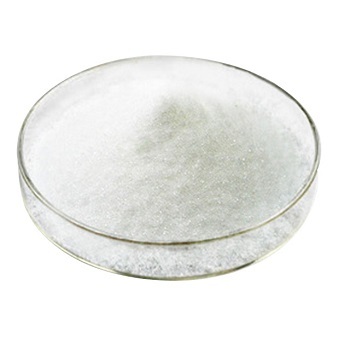
Hydrogenated rosin is an amorphous transparent solid resin containing 75% dihydroabietic acid and a relative density of 1.045. Softening point 70~72℃. Refractive index 1.5270. Viscosity (60% toluene solution): 3.6 mPa·S. Acid value 162 mg KOH/g. Saponification value: 167 mg KOH/g. Flash point (open cup): 203℃. Soluble in ethanol, acetone, dichloroethane, carbon disulfide, toluene, turpentine, petroleum ether, solvent gasoline, and vegetable oil. It has good antioxidant properties, low brittleness, and high thermal stability. Non-toxic, LD50 7600 mg/kg.
Hydrogenated Rosin Quality Index:
Item | Index | |||
| Top grade | First grade | Second grade | |
Appearance | Transparent | |||
Color | Glass color block color comparison | Comply with the requirements of rosin color grade glass standard color blocks | ||
Yellow | 12 | 20 | 30 | |
Red | 1.4 | 2.1 | 2.5 | |
Acid value, mgKOH/g ≥ | 162.0 | 160.0 | 158.0 | |
Softening point (ball and ball method), ℃ ≥ | 72 | 71 | 70 | |
Ethanol insoluble matter, % ≤ | 0.020 | 0.030 | 0.040 | |
Unsaponifiable matter % ≤ | 7.0 | 8.0 | 9.0 | |
Abietic acid % ≤ | 2.00 | 2.50 | 3.00 | |
Dehydroabietic acid % ≤ | 10.0 | 10.0 | 15.0 | |
Oxygen absorption°/%, ≤ | 0.20 | 0.20 | 0.30 | |
KT160 Hydrogenated Rosin Applications
- Hydrogenated rosin can be made into modified rosin for electronics. The flux produced has good soldering performance and high welding reliability, is non-corrosive to electronic components, and is resistant to moisture, heat, and mold.
- In the adhesive industry, hydrogenated rosin is often used as a plasticizer in hot-melt, pressure-sensitive, and rubber-type adhesives. For example, hydrogenated rosin can be used as a thickener for sealing packaging materials.
- In the coatings industry, for example, automotive coatings prepared using highly hydrogenated rosin as raw materials retain their original color and beautiful luster after use; hydrogenated rosin can also be used as a raw material for solvent-free, environmentally friendly, waterproof paper coatings.
- In the food industry, it can be used as a chewing gum base to prevent chewing gum from discoloring during long-term storage; hydrogenated rosin can also be used to make fruit protective coatings.
- In papermaking, hydrogenated rosin can be used to make high-grade paper with good water resistance and light resistance. In the pharmaceutical industry, hydrogenated rosin can be used as a thickening agent for ointments.
- In the cosmetics industry, hydrogenated rosin can be used as liquid lipstick; in shampoos, Hydrogenated rosin can increase the luster of hair.
Related Search:


Keyword:
KT160
Hydrogenated Rosin supplier
Hydrogenated Rosin
Hydrogenated Rosin Manufacturer
Hydrogenated Rosin factory
Hydrogenated Rosin for sale
Send Inquiry
Leave a message immediately and receive free product consultation. We will arrange experts to contact you as soon as possible.