


Monoglyceride/Glyceryl Monostearate CAS 123-94-4
Category:
Product Description
Product Details
Introduction
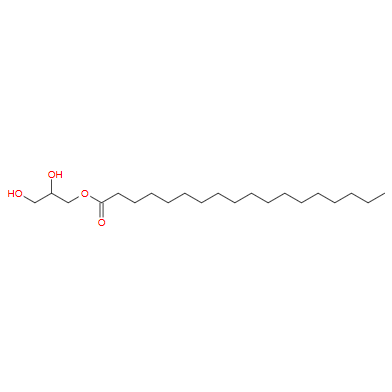
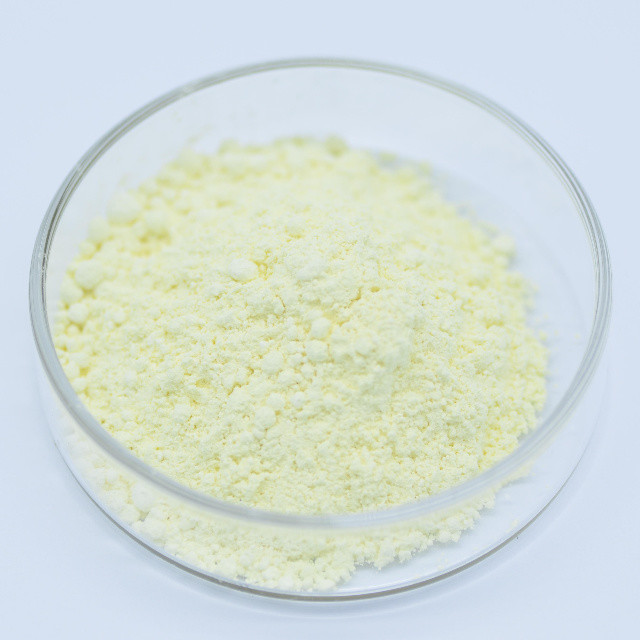
Monoglycerides, abbreviated as MG, are organic compounds. Depending on the name of their primary fatty acid component, monoglycerides can be classified into glycerol monostearate, monolaurin, and monoolein, among others. Among these, glycerol monostearate has the highest production volume and the widest range of applications. Monoglycerides are generally oily, fatty, or waxy in texture; pale yellow or ivory in colour; and have a fatty odour or are odourless—characteristics that depend on the size and degree of saturation of the fatty acid chain—and possess excellent sensory properties. Monoglycerides are insoluble in water and glycerol but can form stable hydrated dispersions in water.
Monoglycerides are polyol-based nonionic surfactants. Due to their structure—which features one long-chain alkyl group that is lipophilic and two hydroxyl groups that are hydrophilic—they exhibit good surface activity and can serve as emulsifiers, dispersants, defoamers, and anti-starch-ageing agents. They are the most widely used emulsifiers in the food and cosmetics industries.
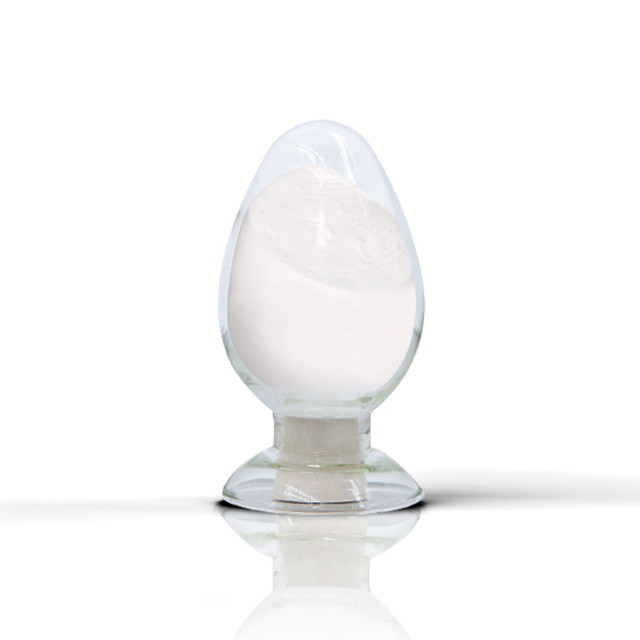
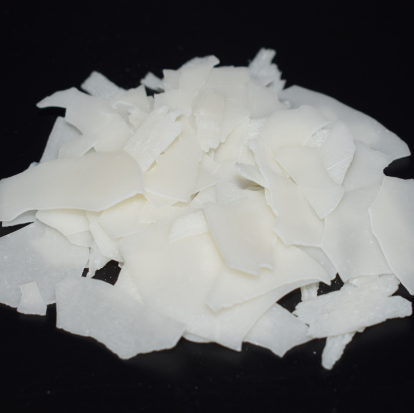
Monoglyceride is waxy, light yellow or ivory in color, has a slight fat odor, is non-toxic, and is a polyol type non-ionic surfactant.
Quality standard
| Item | Index |
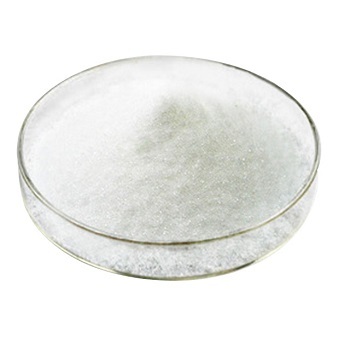
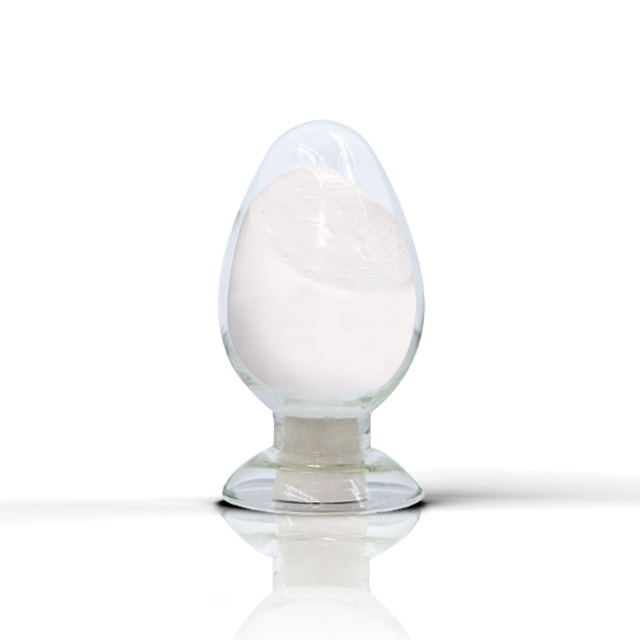
| Appearance | Light yellow or white granules |
| Monoglyceride content | ≥90% |
| Acid value | ≤6.0 mg KOH/g |
| Glycerol content | ≤7.0% |
| Soap (as sodium oleate) | ≤6.0% |
| Water content | ≤2.0% |
| Lead (as Pb) | ≤2.0 mg/kg |
Risk and Safety Statements
Safety Statements | 24/25 |
WGK Germany | 1 |
HS Code | 29157090 |
Storage Class | 11 - Combustible Solids |
Main Application
Glyceryl monostearate contains a lipophilic long-chain alkyl group and two hydrophilic hydroxyl groups, so it has good surface activity and can be used as an emulsifier in food, cosmetics, medicine and other fields. In the plastic industry, monoglyceride has a good internal lubricating effect and can be used as an auxiliary internal lubricant. It is widely used in PVC, wood plastic and other fields. Monoglyceride can also improve the hydrophilicity of the plastic surface, making it easy to release static electricity on the plastic surface and playing the role of an antistatic agent.
Product Application
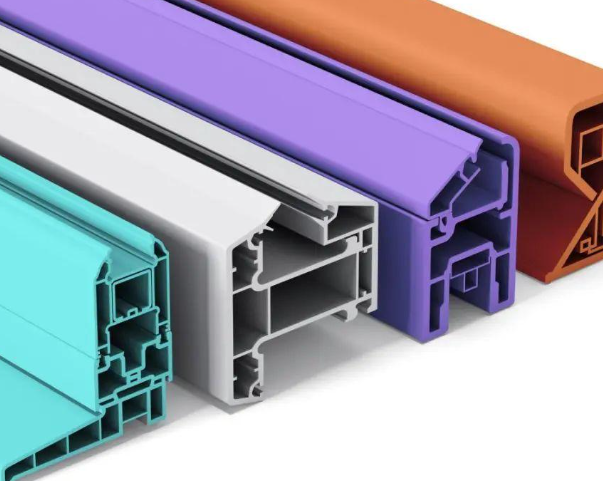
1. Used as an internal lubricant in PVC plastic processing to reduce the viscosity of polymer melt, improve processing fluidity, and have an external demoulding effect;
2. Used as an antistatic agent to improve the hydrophilicity of the plastic surface, so that the surface is easy to release static electricity, playing the role of an antistatic agent;
3. Used as an anti-drip mist agent in food packaging materials, it can effectively control the dripping effect and dripping speed;
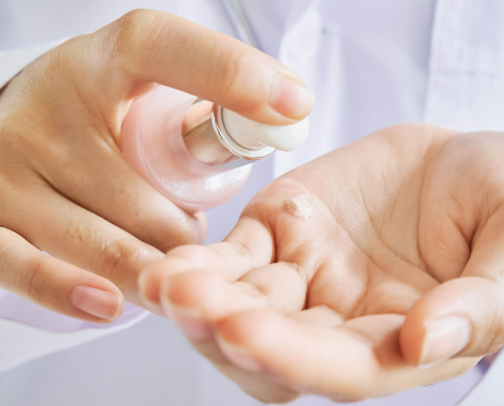
4. Used as an emulsifier and fibre finishing agent for cosmetics and medical ointments such as skin care creams, cold creams, emulsions, and hair creams.
You Also Like
Keyword:
Monoglyceride/Glyceryl Monostearate
CAS 123-94-4
Send Inquiry
Leave a message immediately and receive free product consultation. We will arrange experts to contact you as soon as possible.