

An Overview of Polyvinyl Acetate and Copolymer Water-Based Adhesives
2026-04-03
What are Water-Based Adhesives?
A water-based adhesive is an adhesive with water as the dispersion medium, also called "water-based adhesive," which mainly includes water-soluble, water-dispersed, and water-lotion adhesives. Water-soluble adhesives include synthetic polymer solutions such as polyvinyl alcohol and urea-formaldehyde resin; Water-dispersible types are represented by waterborne polyurethane and epoxy resin. The water lotion type is composed of synthetic resins such as polyvinyl acetate, neoprene latex, or rubber lotion.
Water based adhesives cure through water evaporation or absorption and have characteristics such as environmental friendliness, low cost, and non-flammability. However, they have limitations such as a slow evaporation rate and poor adhesion to nonpolar materials.
Composition of Polyvinyl Acetate and Copolymer Water-Based Adhesives
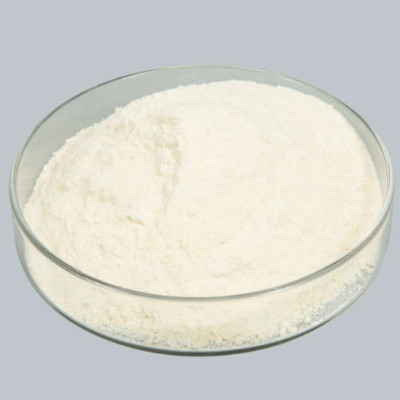

Most water-based adhesives of polyvinyl acetate and its copolymers adopt polyvinyl acetate homopolymer emulsions. Generally, polyvinyl alcohol with a hydrolysis degree of about 80% is used as the protective colloid, and peroxides are used as initiators, with a solid content of approximately 50%. The latex particle size ranges from 0.5 to 2 μm, and the viscosity is usually 3 to 20 Pa·s. The main raw materials for synthesizing polyvinyl acetate water-based adhesives include monomers, dispersion media, initiators, emulsifiers, protective colloids, plasticizers, regulators, fillers, defoamers, freeze-thaw stabilizers, and other additives.
Vinyl Acetate Monomer
Vinyl acetate monomer is called "VAC" for short. Its molecular weight is 86.1, boiling point is 73℃, and its co boiling point with water is ~64~66℃. VAC is slightly soluble in water (its solubility in water is 2.5 g at 20℃), which is easy to hydrolyze. The hydrolysate acetic acid will interfere with the polymerization reaction. At the same time, VAc is also a monomer with high hydrophilicity. It is very important to control the reflux for lotion copolymerization.
During storage, VAc is prone to self-polymerization, so polymerization inhibitors such as aniline, copper acetate, and hydroquinone need to be added. At present, industrial-grade vinyl acetate usually contains 5~15 mg/kg of 4-methoxyphenol (MEHG) as an inhibitor. This type of inhibitor requires no removal and can be used directly without affecting polymerization performance.
To improve the mechanical properties of polyvinyl acetate emulsion, other comonomers are properly added to the homopolymer system for modification. Typically, 0.1%~0.5% acrylic acid is added for basic enhancement; methyl methacrylate improves heat resistance; butyl acrylate enhances low-temperature performance; and N-methylolacrylamide is used to boost water resistance.
Dispersion Medium
The dispersion medium is mainly pure water that has undergone desalination and dechlorination treatment. Water is used as a dispersion medium without pollution, with low cost and easy temperature control.
Initiator
The initiator systems used for preparing polyvinyl acetate emulsions fall into two main categories: thermal initiation systems and redox initiation systems.
Thermal initiation systems are suitable for polymerization temperatures ranging from 75 to 85°C, with ammonium persulfate being the most commonly used agent. In some cases, redox systems are adopted to increase the molecular weight of the polymer, thereby improving the water resistance and low-temperature resistance of the adhesive film.
Basic Properties of PVAc Emulsions Prepared by Different Redox Initiation Systems
Redox System | Conversion Rate (%) | Viscosity (25℃) / mPa·s | Freeze-thaw Stability | pH Value |
TBHP/SFS | 98.8 | 5900 | 2 | 4.5 |
Na₂S₂O₈/NaHSO₃ | 99.2 | 2400 | 5 | 3.5 |
H₂O₂/TA | 99.0 | 99.0 | 5 | 3.4 |
Emulsifier
When selecting emulsifiers, one should consider their critical micelle concentration (CMC), hydrophilic lipophilic balance (HLB), and ion type. Commonly used nonionic emulsifiers include alkylphenol polyoxyethylene ether (OP-10, NP-10, and TX100) and anionic emulsifiers such as sodium alkyl sulfate and sodium alkyl benzene sulfonate (0.01%~5%).
Protective Colloid
Its primary function is to form a hydrated protective layer on the surface of latex particles that exerts a steric hindrance effect, thereby preventing the latex particles from coagulating. Commonly used protective colloids include polyvinyl alcohol, animal glue, gelatin, methylcellulose, , gum arabic, and sodium polyacrylate.
Buffer Agent
The function is to adjust the pH value of the polymerization system and control the decomposition rate of the initiator. Sometimes, in order to control the decomposition rate of the initiator, the lotion polymerization system also needs an appropriate amount of chelating agent (EDTA).

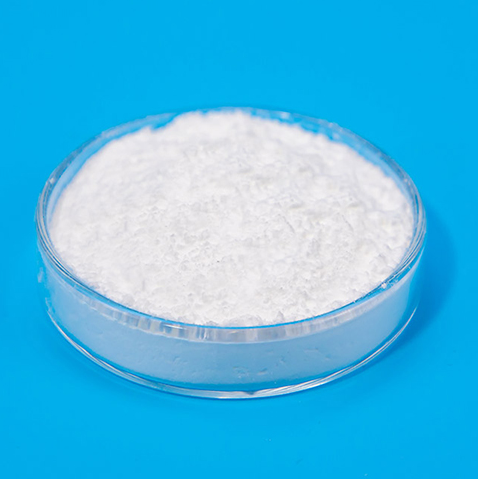
Plasticizer

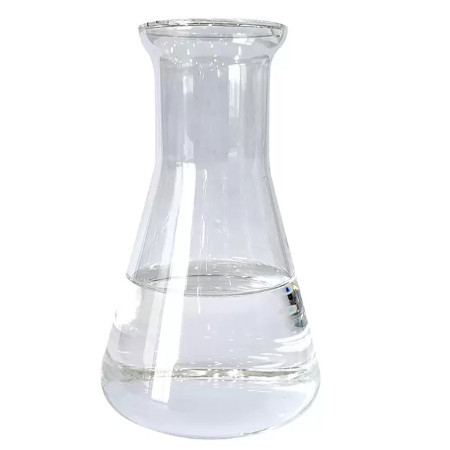
Their function is to impart good film-forming properties and adhesive strength to PVAc emulsion adhesives at lower temperatures. Commonly used plasticizers include alkyl phthalates and aromatic phosphates, such as dibutyl phthalate (DBP), dioctyl phthalate (DOP), and tricresyl phosphate (TCP).
Molecular Weight Regulator
Molecular weight regulators, also known as chain transfer agents, control the molecular weight of polymer chains. Carbon tetrachloride, mercaptan, polysulfide, etc. are commonly used. Because carbon tetrachloride is not environmentally friendly, the most commonly used is strongly hydrophobic alkyl mercapto compounds. The former is not only environmentally friendly but also reduces the stability of lotion polymerization. The latter has no impact on the stability of lotion polymerization. Polysulfide is rarely used and more commonly seen in the synthesis of neoprene latex.
Filler
Adding fillers to the system can reduce costs, increase solid content and viscosity, lower permeability, and improve filling performance. Fillers are divided into two types: organic fillers and inorganic fillers.
Partner with Kerton Chemicals for Premium Water-Based Adhesive Raw Materials & Solutions
If you are sourcing reliable raw materials for polyvinyl acetate and copolymer water-based adhesives, Kerton Chemicals is your ideal partner. The company features stable, high-purity chemical supplies, strict quality control, and cost-effective pricing for all adhesive additives. It also provides professional technical support and customized formulation solutions to meet different production demands.
To start cooperation, visit its official website, https://www.kerton-industry.com/, send an inquiry, and apply for free samples to confirm specifications before bulk ordering.
Previous page:
Blog update
What are the types of chemical materials
2024-11-05
What do chemical materials do?
2024-11-05
What are the industrial chemicals
2024-11-05