

An Overview to Polyethylene : Types, Properties and Application
2026-05-13
What Is Polyethylene?

Polyethylene, abbreviated as PE, is a thermoplastic resin produced by the polymerization of ethylene monomers. It is odorless and non-toxic and has a waxy texture. It exhibits excellent low-temperature resistance (with a minimum service temperature ranging from -100°C to -70°C). It has good chemical stability because the polymer molecules are linked by carbon-carbon single bonds; it is resistant to corrosion by most acids and alkalis (though it is not resistant to oxidizing acids). At room temperature, it is insoluble in common solvents, has low water absorption, and exhibits excellent electrical insulation properties.
Four Grades of Polyethylene
Depending on the polymerization method, molecular weight, and chain structure, polyethylene can be classified into high-density polyethylene (HDPE), low-density polyethylene (LDPE), linear low-density polyethylene (LLDPE), and ultra-high-molecular-weight polyethylene (UHMWPE).
What Is High-Density Polyethylene (HDPE)?
High-density polyethylene (HDPE) is produced by the polymerization of ethylene under the action of catalysts such as titanium and chromium at specific temperatures and pressures, resulting in a polyethylene product with high density and a linear structure. Since it is typically synthesized under low-temperature, low-pressure conditions, HDPE is also known as low-pressure polyethylene.
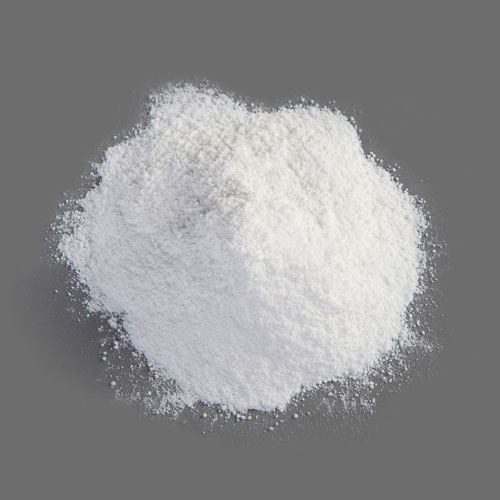
High-density polyethylene (HDPE) resin is a white powder or granular product with a density range of 0.941-0.960 g/cm³, a crystallinity higher than 65%, non-toxic, and non-absorbent. This material has good heat and cold resistance, good chemical stability, high rigidity and toughness, good mechanical strength, good barrier properties, dielectric properties, and environmental stress-cracking resistance.
It is insoluble in general solvents at room temperature but can swell when in contact with fatty hydrocarbons, aromatic hydrocarbons, and halogenated hydrocarbons for a long time. It is slightly soluble in toluene and pentyl acetate above 70℃. Oxidation occurs when heated in the air and influenced by sunlight. Capable of withstanding the erosion of most acids and bases.
Properties of HDPE
Mechanical properties: High strength, high rigidity; good creep resistance
Physical properties: high density; high melting point; low transparency; low permeability
Chemical Properties: Excellent chemical stability; solvent resistance
Application of HDPE
Hollow Blow Molding: Hollow blow-molded products are one of the primary applications for HDPE, particularly small- and medium-sized hollow products. In the realm of large-scale hollow molding, major applications include automotive fuel tanks and large seats.
Film Products: HDPE film is widely used in the packaging sector for shopping bags, product bags, and multilayer composite bags.
Injection Molding: Injection molding is currently the largest consumer sector for HDPE. Products made through this process feature good flow properties and excellent low-temperature resistance and are widely used in packaging drums (such as paint buckets), motorcycle parts, bottle caps, and other applications.
Is High-Density Polyethylene Recyclable?
HDPE can certainly be recycled. The recycling process usually includes the following steps: sorting, cleaning, crushing, melting, and granulation, which ensure the purity and quality of HDPE materials. If you want to learn more, you can read another article, "What is gasoline polyethylene?" ".
What Is Low-Density Polyethylene?
Low-density polyethylene, also known as high-pressure polyethylene (LDPE), is the lightest variety of polyethylene resin. It is a waxy particle with a milky white color, odorless, tasteless, non-toxic, and a dull surface. Its density is 0.91 to 0.93 g/cm³ and its melting point is ~110~115°C. Has good flexibility, extensibility, electrical insulation, transparency, ease of processing, and a certain degree of breathability. It has good chemical stability, alkali resistance, and resistance to general organic solvents.
Application of LDPE
Applications of low-density polyethylene: Suitable for packaging foods such as condiments, pastries, sugar, candied fruits, cookies, milk powder, tea, and flaked fish. Also suitable for packaging pharmaceuticals such as tablets and powders, as well as textile products such as shirts, clothing, knitted cotton goods, and synthetic fiber products. Packaging for daily chemical products such as laundry detergent, cleaning agents, and cosmetics. Due to the poor mechanical properties of single-layer PE film, it is typically used as the inner layer of composite packaging bags, serving as the heat-sealable substrate in multilayer composite films.
What Is Linear Low-Density Polyethylene (LLDPE)?
Linear low-density polyethylene (LLDPE) is a polymer formed by the copolymerization of ethylene with a small amount of α-olefins, resulting in a molecular structure with very short copolymer side chains attached to the linear ethylene backbone.
Linear low-density polyethylene is a non-toxic, odorless, and tasteless milky-white granule with a density of 0.918–0.935 g/cm³. Compared to LDPE, it has a higher softening point and melting point and offers advantages such as high strength, good toughness, high rigidity, and excellent heat and cold resistance. It also exhibits good resistance to environmental stress cracking, impact strength, and tear strength and is resistant to acids, alkalis, and organic solvents. As a result, it is widely used in industries such as manufacturing, agriculture, medicine, healthcare, and daily consumer goods.
LDPE vs. LLDPE
| Property | LLDPE | LDPE |
| Molecular Weight Distribution | Narrow | Wide |
| Melting Point (°C) | 110~125 | 105~115 |
| Relative Tensile Strength | 1.50~1.75 | 1 |
| Relative Modulus of Elasticity | 1.40~1.80 | 1 |
| ESCR | Good | Poor |
| Heat Resistance | Good | Slightly Poorer |
| Oil Resistance | Good | Slightly Poorer |
Application of LLDPE
LLDPE is used in the production of bags, trash bags, stretch wrap, industrial liners, towel liners, and shopping bags. LLDPE offers enhanced resistance to stretching, puncture, impact, and tearing. Its excellent resistance to environmental stress cracking, low-temperature impact, and warping makes LLDPE an attractive choice for pipe and sheet extrusion, as well as all molding applications.

What Is Ultra-High Molecular Weight Polyethylene (UHMWPE)?
UHMWPE is a linear polyethylene with a molecular weight exceeding 1.5 million, a density of 0.920–0.964 g/cm³, a heat deflection temperature (at 0.46 MPa) of 85°C, and a melting point of 130–136°C. With a melt viscosity as high as 108 Pa·s, this material requires specialized processing techniques such as extrusion, blow molding, or injection molding.
UHMWPE has high strength, wear resistance, and chemical corrosion resistance, with a specific strength of 15 times that of steel and better impact resistance than carbon fiber and aramid. As a high-performance fiber, its products are widely used in bulletproof vests, marine engineering cables, and aerospace fields. Applied in the medical field to artificial joints, dental implant materials, and medical sutures, it has both biocompatibility and creep resistance.
Modification of UHMWPE
UHMWPE has several drawbacks, including low surface hardness and heat deflection temperature, as well as poor flexural strength and creep resistance. These issues stem from the molecular structure and aggregation patterns of UHMWPE and can be mitigated through filling and cross-linking.
Filling
Filling and modifying UHMWPE with glass microspheres, glass fibers, mica, talc, silicon dioxide, aluminum oxide, molybdenum disulfide, carbon black, and other materials can significantly improve surface hardness, stiffness, creep resistance, flexural strength, and heat deflection temperature. The effects are even more pronounced after treatment with a coupling agent. For example, the use of glass microspheres in the filling process can increase the heat deflection temperature by 30°C.
Blending Modification
The blending method is the most effective, simple, and practical way to improve the melt flowability of UHMWPE. The second component used in blending mainly refers to low melting point and low viscosity resins, such as LDPE, HDPE, PP, polyester, etc. Among them, the most commonly used are medium molecular weight PE (molecular weight 400000 to 600000) and low molecular weight PE (molecular weight < 400000). When the blend system is heated above its melting point, ultra-high molecular weight polyethylene (UHMW-PE) resin will be suspended in the liquid phase of the second component resin, forming an extruded and injectable suspension material.
Crosslinking
Crosslinking is used to improve morphological stability, creep resistance, and environmental stress cracking resistance. Through cross-linking, the crystallinity of ultra-high molecular weight polyethylene (UHMW-PE) decreases, and the masked toughness is restored.
Coupling Agent
UHMWPE mainly uses two types of silane coupling agents: vinylsiloxane and allylsiloxane, with commonly used ones being vinyltrimethoxysilane and vinyltriethoxysilane. Coupling agents generally rely on peroxides to initiate, with DCP being commonly used, and organotin derivatives being commonly used as catalysts.
Related Search

Previous page:
Next page:
Blog update
What are the types of chemical materials
2024-11-05
What do chemical materials do?
2024-11-05
What are the industrial chemicals
2024-11-05