

What Is Mold Release Agent?
2026-06-09
Contact Kerton Chemicals Right Now!!!
Polyurethane materials have good adhesion to many other materials; therefore, during molding, a release agent must be applied to the mold surface to form a thin barrier layer between the foam skin and the mold, facilitating the removal of the finished product. Release agents are classified into two types: internal and external. The former is added to the raw material and is primarily used in rapid demolding systems such as RIM. External release agents are generally used in the production of polyurethane foam and polyurethane elastomer products. Internal release agents may be used for a few specific products, such as RIM polyurethane.

Types of Mold Release Agent
The main components of release agents include silicone, paraffin wax, polyethylene wax, mineral oil, fatty acid salts, and organofluorine compounds.
Polydimethylsiloxane
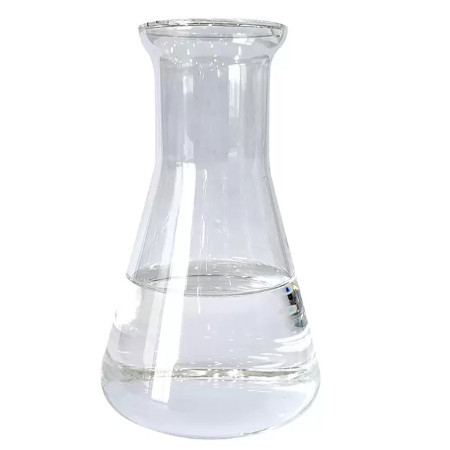
Polydimethylsiloxane, also known as dimethyl silicone oil or silicone oil, is a colorless, transparent, viscous liquid. Its molecular weight typically ranges from 5,000 to 100,000, its viscosity is generally below 1,000 mPa·s, and its long-term operating temperature range is -50 to 180°C. Its surface tension is 0.016–0.022 N/m. It is soluble in toluene and xylene, partially soluble in acetone, ethanol, and butanol, and insoluble in water.
Application
Polydimethylsiloxane is widely used as a release agent. It offers excellent resistance to high and low temperatures, electrical insulation, water repellency, moisture resistance, and chemical stability and is typically used in the form of a very dilute solution or emulsion. Other polysiloxanes used as release agents include polymethylphenylsiloxane, silicone oils containing hydroxyl and silanol groups, and ethoxylated silicone oils. Certain specialized liquid siloxanes (silicone resins) can polymerize into a solid film on the mold surface, allowing for the formulation of “semi-permanent” release agents. A single application can last for many consecutive production cycles without the need for re-coating, thereby improving production efficiency. If the finished parts require painting, silicone-based release agents should be used with caution, as they may cause issues such as paint adhesion problems.

Paraffin Wax
Paraffin wax is a solid crystalline product refined from petroleum, also known as mineral wax. It consists of various hydrocarbons, including n-alkanes and small amounts of isoalkanes, cycloalkanes, and others. Industrial paraffin wax typically has 22 to 26 carbon atoms and a molecular weight ranging from 360 to 540. Pure paraffin wax is white, odorless, and tasteless. It has a relative density of 0.87 to 0.92, a melting point of 48 to 70°C, and a boiling point range of 300 to 350°C. It is readily soluble in chloroform, petroleum ether, carbon tetrachloride, various mineral oils, and most vegetable oils; slightly soluble in ethanol and acetone; and insoluble in water. The higher the melting point of paraffin, the lower its solubility. Paraffin exhibits relatively stable chemical properties.
Liquid paraffin, also known as white oil or paraffin oil, consists of saturated paraffin hydrocarbons and naphthenes, with some containing trace amounts of aromatic hydrocarbons. It is a colorless, odorless, transparent, oily liquid and is non-toxic. Its relative density (15°C/4°C) ranges from 0.831 to 0.883, and its freezing point is between -30°C and -3°C. It is soluble in chloroform, benzene, and hot ethanol, but insoluble in water, glycerin, and cold ethanol.
Application
Paraffin wax is widely used as a lubricant and release agent for various plastics. It is also used in the form of dilute solutions or emulsions.
Fluorinated release agents
Fluorinated release agents, such as low-molecular-weight polytetrafluoroethylene and organic solutions of fluororesins, are highly effective release agents that enable quick and easy demolding of various polyurethane products. A single application allows for multiple demolding cycles without transferring to the product surface or affecting its performance.
Internal Release Agent
To meet the demand for increased production efficiency, internal release agents have been developed as key additives for RIM polyurethane (urea). These agents are added to the formulation to facilitate demolding; during the polyurethane molding process, they partially migrate to the surface of the finished product, where they act as a barrier. The first internal release agents developed were polysiloxane compounds containing active organic groups. Addition products of higher fatty alcohols or amines with ethylene oxide (nonionic surfactants) and zinc stearate are also commonly used internal release agents.
Previous page:
Next page:
Blog update
What are the types of chemical materials
2024-11-05
What do chemical materials do?
2024-11-05
What are the industrial chemicals
2024-11-05