

What is Chlorinated Polyethylene?
2026-07-27
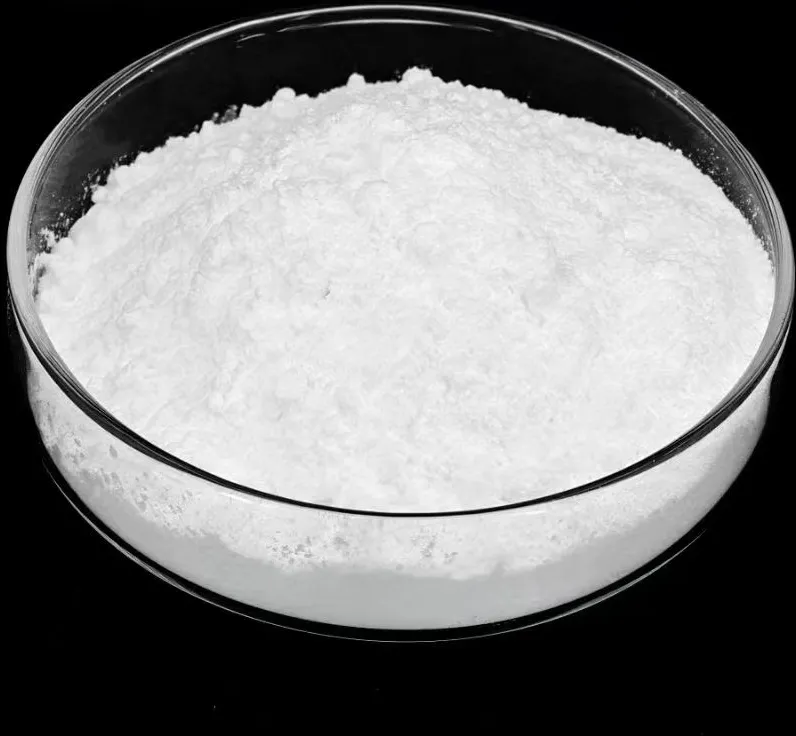
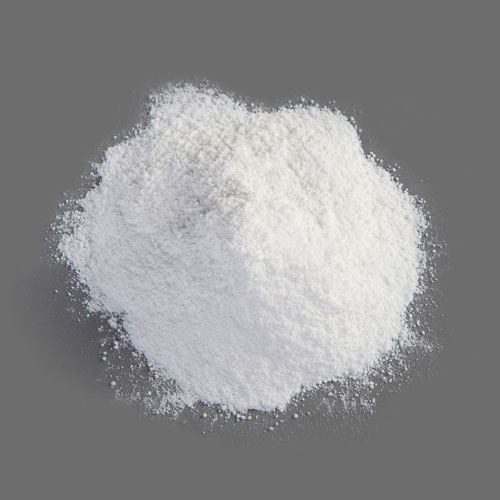
Chlorinated polyethylene, abbreviated as CPE or CM, is a saturated polymer material produced by chlorinating high-density polyethylene, with a chlorine content ranging from 20% to 50%. It appears as a white, powdery or granular, non-toxic, odourless solid and possesses ozone resistance, chemical corrosion resistance, oil resistance, flame-retardant properties, and colourability; it retains its flexibility at -30°C. Based on differences in chlorine atom distribution, it is classified into resin-type CPE and elastomeric-type CM; when the chlorine content exceeds 45%, it exhibits self-extinguishing properties. The material has a high decomposition temperature, with thermal decomposition remaining stable above 170°C; the HCl produced during decomposition catalyses its own dechlorination reaction.

Chlorinated polyethylene is produced using the solution, suspension, or fluidised-bed methods; the latter can also be used to produce chlorosulphonated polyethylene. It can be blended with plastics such as PVC and PE, as well as fillers like carbon black and titanium dioxide. It is primarily used as an impact modifier for PVC in products such as plastic doors and windows, pipes, and wire and cable sheaths to improve the material’s weather resistance, impact resistance, and low-temperature flexibility. Data from dynamic thermal mechanical analysis (DMA), including the glass transition temperature and low-temperature tensile elongation at break, can be used to evaluate its low-temperature performance.

What is Chlorinated Polyethylene Used For?
Chlorinated polyethylene is primarily used in wires and cables (including coal mine cables and wires specified in standards such as UL and VDE), hydraulic hoses, automotive hoses, rubber tapes, rubber sheets, modification of PVC profiles and pipes, magnetic materials, ABS modification, and more.
Chlorinated polyethylene is a new type of synthetic material with a range of excellent properties. It serves as an excellent impact modifier for PVC plastics; certain CPE grades are used as modifiers for polyvinyl chloride (PVC) compounds to improve their flexibility, toughness (particularly low-temperature toughness), formulation flexibility, and processability. It is also a synthetic rubber with excellent overall performance and an extremely wide range of applications. It is widely used in products such as cables, wires, hoses, rubber sheets, rubber and plastic products, sealing materials, flame-retardant conveyor belts, waterproof membranes, films, and various profiles. CPE can also be blended with polypropylene, high- and low-density polyethylene, ABS, and other materials to improve the flame retardancy, ageing resistance, and printability of these plastics and their finished products.
What are the characteristics of chlorinated polyethylene?
1. CPE is a saturated rubber that exhibits excellent resistance to thermal-oxidative ageing, ozone ageing, acids, alkalis, and chemicals. Through technological improvements, the thermal decomposition temperature of water-phase CPE products can be stabilised at 170°C or higher.
2. CPE has moderate oil resistance; its resistance to ASTM Class 1 and Class 2 oils is comparable to that of NBR; its resistance to ASTM Class 3 oil is excellent, superior to that of CR, and comparable to that of CSM.
3. CPE contains chlorine; when the chlorine content is 35–40%, it behaves as a rubber-like amorphous elastomer, and when it is 68–75%, it behaves as a hard, semi-crystalline material with good flame-retardant properties and anti-dripping characteristics during combustion. When blended in appropriate proportions with antimony-based flame retardants, chlorinated paraffin, and Al(OH)₃, it yields flame-retardant materials with excellent performance at a low cost.
4. CPE is non-toxic, free of heavy metals and PAHs, and fully complies with environmental protection requirements.
5. CPE has high fillability, allowing for the production of products that meet a wide range of performance requirements. CPE offers good processability, with a variety of grades available with Mooney viscosity ranging from 50 to 100.
Previous page:
Next page:
Blog update
What are the types of chemical materials
2024-11-05
What do chemical materials do?
2024-11-05
What are the industrial chemicals
2024-11-05