


Lithium Bis(fluorosulfonyl)imide 171611-11-3
Category:
Product Description
Product Details
Introduction:
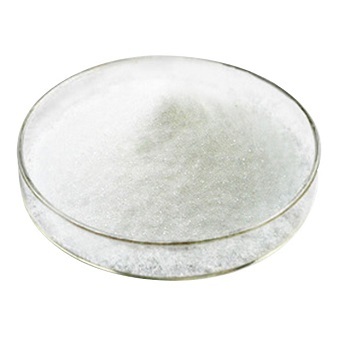
Lithium bis(fluorosulphonyl)imide (CAS No. 171611-11-3), abbreviated as LiFSI, is a white powdery solid with a thermal stability exceeding 300°C. It readily absorbs moisture from the air to form LiFSI·H₂O crystals and is readily soluble in water, alcohols, carbonates, nitriles and carboxylates, amongst others. It is prepared from raw materials such as aminosulphonic acid and dichlorosulphone via fluorination and cation exchange reactions. It poses a long-term hazard to aquatic organisms and is corrosive and acutely toxic.
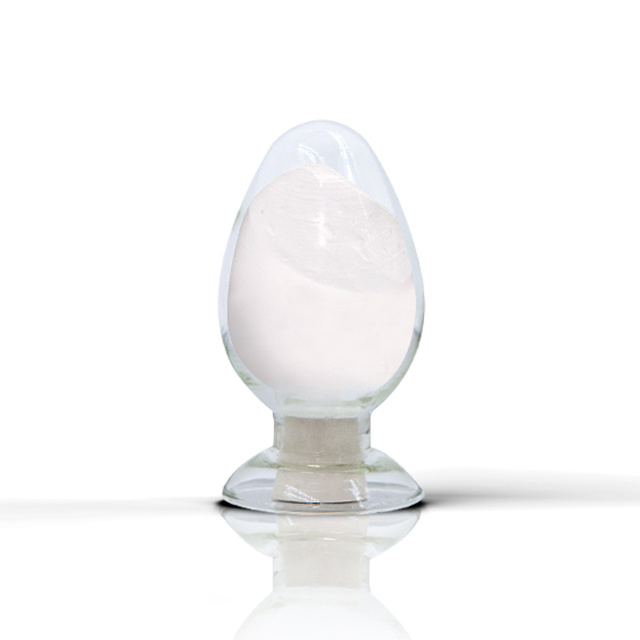
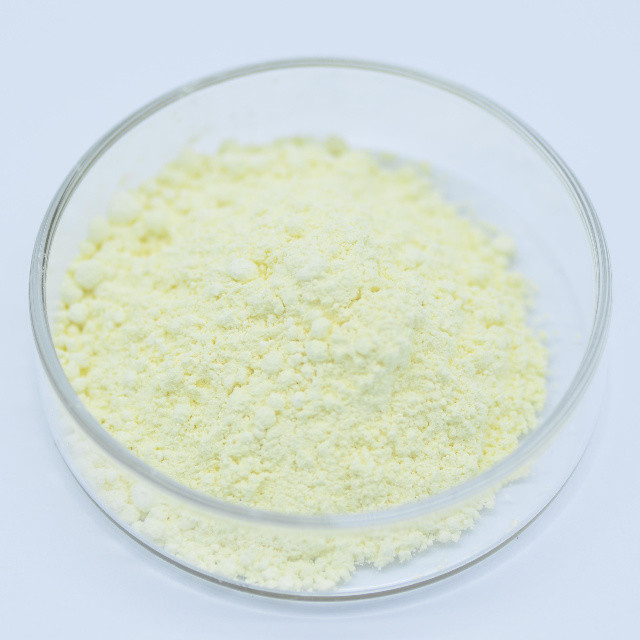
Lithium Bis(fluorosulfonyl)imide is a white to off-white powder. It has the advantages of high stability (no decomposition below 200°C), excellent low-temperature performance, good hydrolysis stability and more environmentally friendly.
Specification:
Appearance | White crystal powder |
Purity | ≥99.9% |
Free acid (HF) | ≤100 ppm |
Moisture | ≤100 ppm |
Fluoride (F-) | ≤50 ppm |
Sulphate (SO₄) | ≤50 ppm |
Chloride (Cl-) | ≤10 ppm |
Iron ions | ≤2 ppm |
Potassium | ≤5 ppm |
Sodium ions | ≤10 ppm |
Calcium ions | ≤2 ppm |
Application:
Lithium bis(fluorosulfonyl)imide (LiFSI) is mainly used as an electrolyte additive for lithium-ion batteries. It can effectively reduce the high and low temperature resistance of the SEI layer formed on the surface of the electrode plate at low temperatures, reduce the capacity loss of lithium batteries during storage, and thus improve the battery capacity and electrochemical performance.
The defect of this product is that it is easy to corrode the aluminium current collector, but another additive, LiBOB, can be added to the electrolyte system to effectively inhibit the corrosion of LiFSI on aluminium foil, and LiFSI can significantly reduce the high impedance of LiBOB. Therefore, the LiFSI/LiBOB composite additive can significantly improve the rate performance and cycle performance of lithium-ion batteries. It can also be used as a primary battery electrolyte, polymerisation catalyst, and antistatic agent.

Package:
5kg/bucket, 80kg/drum
You Also Like


Keyword:
Lithium Bis(fluorosulfonyl)imide
171611-11-3
Send Inquiry
Leave a message immediately and receive free product consultation. We will arrange experts to contact you as soon as possible.