

What is Polyester Hot Melt Adhesive? A Comprehensive Technical Overview
2026-03-23
What is Polyester (PES) Hot Melt Adhesive?
Polyester hot-melt adhesives are composed of polyester copolymers, tackifiers, diluents, antioxidants, and fillers. They exhibit excellent electrical insulation and impact resistance, as well as good water, heat, weather, and chemical resistance, along with favorable elasticity. However, due to their high viscosity, manual application can be cumbersome. These adhesives are suitable for bonding metals, textiles, films, and plastics.

The use of copolyester resin with low or no crystallization tendency as the main material of hot melt adhesive has excellent adhesion performance to the surface of various substrates.
Applications of Polyester (PES) Hot Melt Adhesive
PES hot melt adhesive is the most widely used type of hot melt adhesive in the footwear industry. It has the advantages of high bonding strength, fast hardening speed, and high toughness, and can be used in almost all processes that require bonding in the shoemaking process. The block copolymer polyester amide hot melt adhesive can be obtained by copolymerizing polyester with polycarboxylic acid and primary diamine. Due to the presence of both ester and amide bonds on its macromolecular chain, it has the characteristics of polyester hot melt adhesive and polyamide hot melt adhesive, and is widely used in fabrics, as well as resistant to dry cleaning and washing.
Furthermore, polyester hot-melt adhesives offer a range of advantages, including excellent thermal stability, superior resistance to both cold and heat, good insulation properties, chemical corrosion resistance, and non-polluting characteristics; consequently, they find extensive application across industries such as packaging, bookbinding, plastics, ceramics, automotive, and building materials.
Composition of Polyester (PES) Hot Melt Adhesive
Polyester (PET) is a general term for polymers containing ester groups (—COO—) within their main chains; it is broadly classified into two categories: unsaturated polyesters and linear saturated polyesters (thermoplastic polyesters). Polyester-based hot-melt adhesives primarily utilize thermoplastic polyester—specifically, linear saturated polyester—as their base resin. The structural composition of the monomer raw materials used to synthesize the polyester exerts a significant influence on the performance characteristics of the resulting polyester hot-melt adhesive.
The main raw materials are dicarboxylic acids and diols. It is generally ideal to use aromatic dicarboxylic acids containing 8-16 carbon atoms, while low molecular weight diols are aliphatic diols containing 2-8 carbon atoms. Commonly used dicarboxylic acids and diols include terephthalic acid, isophthalic acid, sebacic acid, hexahydroisophthalic acid, 1,4-butanediol, ethylene glycol, 1,6-hexanediol, tetramethylene glycol, etc.


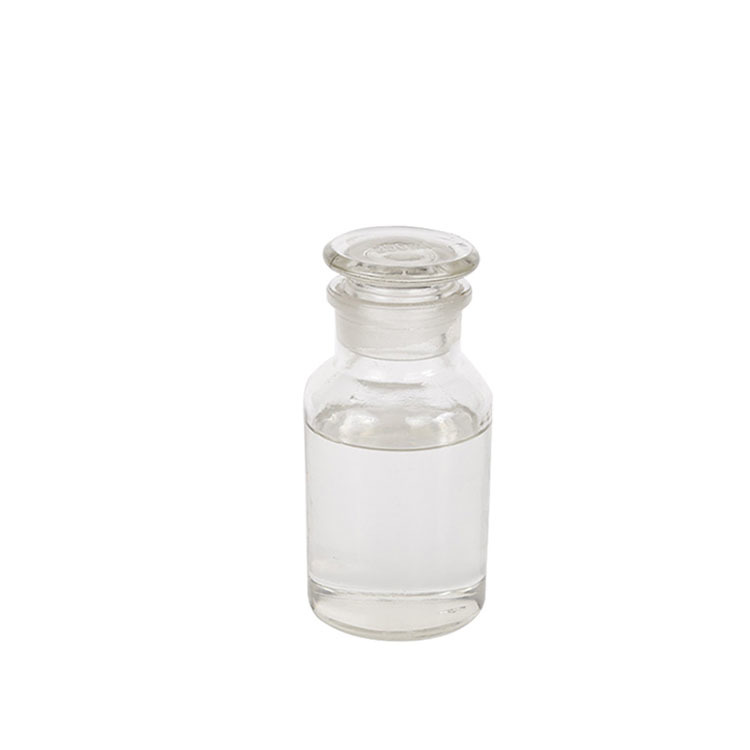
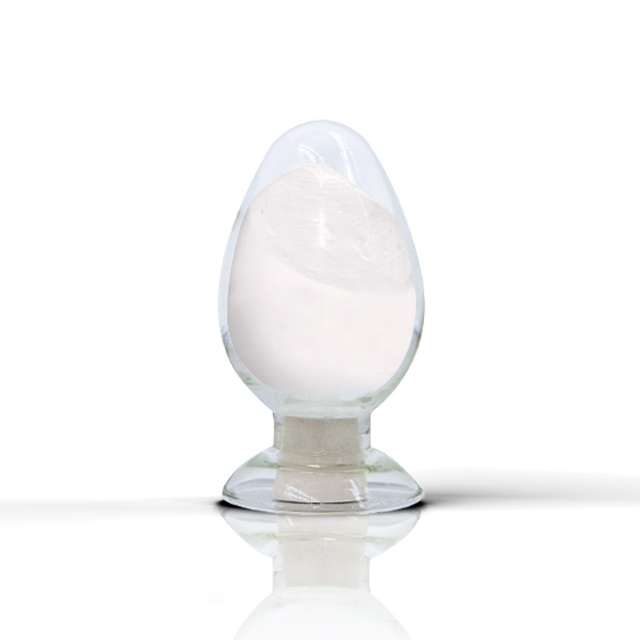
The polyester utilized in the preparation of polyester-based hot-melt adhesives is a class of polyester situated between low-melting aliphatic polyesters and high-melting aromatic polyesters. Typically, polyester-based hot-melt adhesives consist solely of a single resin and generally do not incorporate other compounding ingredients, such as tackifiers or plasticizers. Consequently, the selection of monomer raw materials for the synthesis of the polyester directly determines the fundamental properties of the resulting hot-melt adhesive; however, in special circumstances, small quantities of modifying additives—such as tackifiers, diluents, antioxidants, and fillers—may be introduced.
Properties of Polyester Hot Melt Adhesive
Item | Value |
Hardness (Shore) | 65-75 |
Melting Point (°C) | 132-160 |
Melt Viscosity (200°C, Pa·s) | 6-8 |
Moisture Content (%) | 0.3 |
Elongation (%) | 150-270 |
Brittle Temperature (°C) | -28 ~ -45 |
Tensile Strength (MPa) | 6.0-8.5 |
Three Modification Methods of Polyester Hot Melt Adhesive: Copolymerization, Blending and Filling Reinforcement Modification
Copolymerization Modification (Chemical Modification)
Chemical modification mainly includes copolymerization, grafting, block grafting, crosslinking, etc. It is a common method to change the related properties of polymers through chemical reactions.By adding modified monomers for co polymerization reaction, the diversification of polyester products can be achieved. In order to weaken its crystallization performance or accelerate its crystallization rate, a third or even fourth component can be introduced to copolymerize with the original polymer, breaking the symmetry and order of the original molecular structure and generating amorphous copolymers.
Blending Modification (Physical Modification)
Blend modification is the simplest yet highly effective method for significantly enhancing polymer properties by physically blending polymers with differing characteristics. Typically, this process utilizes a polyester homopolymer as the matrix material; by mechanically blending it with an appropriate amount of other polymers—tailored to specific production requirements—highly effective modification results can be achieved.
Filling and Reinforcement Modification
By utilizing polyester as a modified matrix and incorporating various fillers, a diverse range of modified polyesters can be produced. Most of these additives consist of inorganic particles (such as calcium carbonate and talc); they enable a complementary interplay between the properties of the organic polymer and the inorganic filler, thereby opening up a vast scope for research and application within the field of additive modification.
Typical Formulation of Polyester Hot Melt Adhesive
Raw Material | Mass Part |
Dimethyl Terephthalate | 80 |
Dimethyl Isophthalate | 20 |
Dimer Acid (Aliphatic Dibasic Acid with 36 Carbon Atoms) | 30 |
1,4-Butanediol | 200 |
Tetra-n-butyl Titanate (Catalyst) | 0.03 |
Hydrogenated Liquid Polybutadiene Diol | 15 |


Dimethyl terephthalate, dimethyl isophthalate, dimer acid, and 1,4-butanediol were mixed together; 0.01 part of the catalyst tetra-n-butyl titanate was added, and the mixture was heated at 200°C for 1 hour under a nitrogen atmosphere to undergo transesterification. Subsequently, hydrogenated liquid polybutadiene diol and 0.02 part of tetra-n-butyl titanate were added, and the mixture was heated at 240°C under vacuum for 4 hours to undergo polycondensation.
The resulting polyester elastomer copolymer was hot-pressed at 180°C into a thin film approximately 75 μm thick, intended for bonding aluminum plates to polypropylene plates; however, the melt viscosity of this copolymer proved to be excessively high, making it difficult to coat. Consequently, a specific quantity of 1,4-butanediol was added, and the mixture was subjected to depolymerization at 240°C for 1.5 hours under a nitrogen atmosphere. The resulting polyester elastomer copolymer could then be easily applied using a hot-melt coating machine to form a thin film.
Why Choose Kerton Chemicals's Raw Materials of Polyester Hot Melt Adhesive?
Kerton Chemicals uses high-quality, strictly controlled polyester hot-melt collagen materials with excellent compatibility and stable performance to support outstanding adhesive quality. With professional research and production expertise, our raw material selection ensures consistent batch performance and reliable bonding effects, suitable for various industrial applications, making it a reliable choice for your high-quality polyester hot-melt collagen materials.
Previous page:
Blog update
What are the types of chemical materials
2024-11-05
What do chemical materials do?
2024-11-05
What are the industrial chemicals
2024-11-05