

The Composition of EVA Hot Melt Adhesive: A Complete Guide
2026-03-20
EVA hot-melt adhesive is one of the most important varieties of hot-melt adhesives, accounting for approximately 80% of the total volume. It is characterized by excellent bonding performance, thermal adhesion to virtually all types of materials, superior electrical properties, low melt viscosity, ease of application, and good compatibility with other compounding agents.

What is EVA Hot Melt Adhesive?
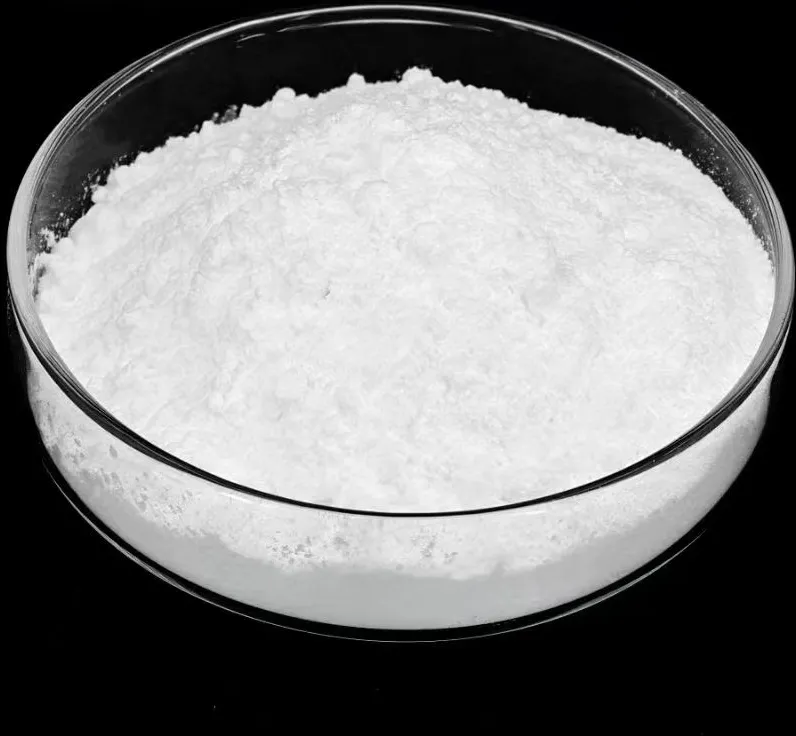
EVA hot-melt adhesive appears as a semi-transparent to opaque white, waxy solid; it is slightly less dense than water, soft, possesses rubber-like elasticity, and is non-toxic and odorless.
EVA resin is a thermoplastic resin formed by copolymerization of non-polar ethylene monomer and strongly polar vinyl acetate monomer. Due to the introduction of a second monomer vinyl acetate group (VA), it exhibits various properties of different polyethylene.
Typically, the composition of a hot-melt adhesive comprises not only the base resin (EVA) but also plasticizers, fillers, tackifiers, thixotropic agents, colorants, and various other additives.
What is EVA Hot Melt Glue Made of?
1.Basic resin EVA
The higher the proportion of vinyl acetate monomer (VA), the higher its transparency, softness, and toughness will be. The content of VA is generally between 28% and 40%.
2.Thickening Agent (Thickening Resin)


A substance that can increase the initial adhesion of a product, usually added in an amount of 20-200 parts. Concurrently, it improves the product's flow and spreading properties, while also enhancing interfacial wettability and initial adhesion.
The softening point of the tackifier should be aligned with that of the base resin; this ensures that the resulting hot-melt sealant exhibits a narrow melting range and superior performance.
The selected thickening agent should have good compatibility with the resin base material and good stability at the melting temperature. There are many types of thickeners, the most commonly used being terpene resin, C9 and C5 Petroleum resin, Gumaron resin, as well as rosin, modified rosin, etc.
3.Viscosity Modifier


Viscosity modifiers primarily serve to reduce polymer viscosity and enhance fluidity; they can also improve a product's wettability.
However, excessive use—resulting in overly high fluidity—can actually complicate the bonding process. Therefore, viscosity modifiers must be used in appropriate quantities, typically kept below 30%. Commonly used viscosity modifiers include paraffin wax, cyclohexanol, and polyethylene wax.
4.Plasticizer
Plasticizers are widely used polymer additives. Plasticizers can be added to plastic hot melt adhesives, etc. Plasticizers can improve the fluidity and flexibility of adhesives. The amount of plasticizer used generally does not exceed 10% of the polymer. If used excessively, it will reduce the cohesive strength, heat resistance, and shear strength of the adhesive layer.
5.Heat Stabilizer
A class of substances that prevent the oxidative decomposition of hot melt adhesives at high internal mixing temperatures.Heat stabilizers are typically inorganic substances or organometallic compounds, and their dosage should be controlled at 0.5% of the total hot melt adhesive mass.
6.Filler
Filler is a commonly used modifier. On the one hand, it can reduce costs, and on the other hand, it can improve the toughness, hardness, and strength of materials.
Currently available fillers include carbon black, white carbon black, calcium carbonate SiO2、 Modified SiO2, talc powder, and kaolin. The most commonly used in hot melt adhesive is calcium carbonate, especially nano calcium carbonate. In addition, modified SiO has many applications.
6 Typical EVA Hot Melt Adhesive Formulas
EVA Adhesive Formulation for Wood Panel Edge Banding
Raw Material | Parts by Weight |
Ethylene-Vinyl Acetate Copolymer (EVA) | 100 |
Rosin Ester | 75 |
Barium Sulfate | 75 |
Antioxidant | 1.25 |

Explanation: The matrix in this formula is an ethylene vinyl acetate copolymer with a melt index of 24 and a vinyl acetate content of 32%. Mainly used for edge sealing processing of artificial boards in the wood industry.
EVA-Based Pre-Coated Adhesive Formula for Carpet Backing
Raw Material | Parts by Weight |
Ethylene-Vinyl Acetate-Acrylate Terpolymer | 50 |
Polyethylene Powder | 100 |
Ethylene-Vinyl Chloride Copolymer | 50 |
Aluminum Hydroxide | 300 |

Explanation: This formula is mainly used for carpet backing bonding, with a coating amount of 350 g/m ² and a peel strength of 5.5 N/cm. It has excellent heat resistance and flame retardancy.
Water-Soluble Hot Melt Adhesive Formulation for Porous Materials
Raw Material | Parts by Weight |
100 | |
Hydrogenated Castor Oil | 4 |
Water-Soluble Polyethylene Glycol Ester | 2.5 |
Epoxy Resin | 1.6 |
2,6-Di-tert-butyl-4-methylphenol (BHT) | 1.4 |
Explanation: It is mainly used for bonding porous materials such as wood, ceramics, concrete components, fabrics, and paper, and can also be used as a film for other adhesives.
Adhesive Formulation for Plastic Bonding
Raw Material | Parts by Weight |
Ethylene-Vinyl Acetate Copolymer (EVA) | 100 |
Coumarone-Indene Resin | 25 |
Synthetic Paraffin Resin | 7 |
Talc Powder | 20 |
2,6-Di-tert-butyl-4-methylphenol (BHT) | 1 |
Explanation: This formula represents a general-purpose grade, featuring a softening point of 72–80°C and a brittle point below -40°C, allowing for long-term use within the temperature range of -40°C to 60°C.
It is capable of bonding various plastics—including polyethylene, polypropylene, polytetrafluoroethylene (PTFE), and polystyrene—and finds application in areas such as polypropylene pipes, calcium-plastic polyethylene pipes, polypropylene woven strapping, the bonding of polypropylene washing machine tubs to ABS drain valves, frozen food packaging, wire bundling, plastic nameplate adhesion, and electrical insulation and fastening.
Formulation of Low Melt Viscosity Adhesive
Raw Material | Parts by Weight |
Ethylene-Vinyl Acetate Copolymer (EVA) | 70 |
Butyl Rubber | 30 |
Antioxidant | 0.25 |
Explanation:The melt viscosity of this product at 200 ℃ is 40 Pa · s, and the elongation rate is 30%. Has excellent coating properties and viscoelasticity.
EVA Adhesive Formulation for Paper
Raw Material | Parts by Weight |
EVA (VA=28%, Melt Index MI=150) | 20 |
Thermoplastic Phenolic Resin | 15 |
9 | |
Calcium Carbonate | 5 |
Explanation:The hot melt adhesive formulated with this formula has high peel strength, good low-temperature flexibility, and can be used for wireless binding of books.
Your Reliable Chemical Supplier from China ------ Kerton Chemicals
Blog update
What are the types of chemical materials
2024-11-05
What do chemical materials do?
2024-11-05
What are the industrial chemicals
2024-11-05