

A Complete Guide to α-Cyanoacrylate Adhesives
2026-07-01

Advantages and Disadvantages of α-Cyanoacrylate Adhesives
Advantages of α-Cyanoacrylate Adhesives
① Single-component, solvent-free, low toxicity, and environmentally friendly;
② High bonding strength and compatible with a wide range of materials;
③ Cures quickly at room temperature; requires no catalysts or curing agents, and no heating or pressure, making it very convenient to use;
④ The adhesive film exhibits good electrical properties;
⑤ The bonded film is colorless and transparent; it can be tinted and has an attractive appearance.
⑥ Good resistance to solvents, chemicals, oils, and weathering;
⑦ Substrates generally require no surface treatment, resulting in high productivity;
⑧ Low viscosity and easy to apply; requires minimal adhesive per unit area; suitable for mechanical application and production assembly lines.
Disadvantages of Early, Unmodified α-Cyanoacrylate Adhesives
① Poor flexibility and impact resistance;
② Low heat resistance; standard products can only be used at temperatures below 80°C;
③ Standard products have a pungent odor and may exhibit “whitening”;
④ Unmodified products have low viscosity, tend to run, and have poor flow properties;
⑤ When stored under refrigeration, strength decreases after prolonged storage;
⑥ Poor water and alkali resistance;
⑦ Sets too quickly, making it difficult to apply over large areas;
⑧ Relatively high price.
Basic Formulations of α-Cyanoacrylate Adhesives
The basic formulation of α-cyanoacrylate adhesives consists of α-cyanoacrylate monomers, polymerization inhibitors, thickeners, plasticizers, curing accelerators, and other components.


Composition of Formulations KH-501 and KH-502
Model No. | Formula Composition | Parts by Mass | Function |
KH-501 | Methyl α-Cyanoacrylate | 100 | Main Component |
α-Cyanoacrylate Polymer | 3 | Thickener | |
3 | Plasticizer | ||
Hydroquinone | 0.1 | Stabilizer 1 | |
Sulfur Dioxide | 0.5 | Coupling Agent | |
0.5 | Coupling Agent | ||
KH-502 | Ethyl α-Cyanoacrylate | 100 | Main Component |
Polymethyl Methacrylate Copolymer | 15 | Thickener | |
3 | Plasticizer | ||
Hydroquinone | 0.1 | Stabilizer 1 | |
Sulfur Dioxide | 0.1 | Stabilizer 2 |
Composition and Functions of α-Cyanoacrylate Adhesive Formulations



Formula Component | Core Function | Key Description | Common Varieties / Core Characteristics |
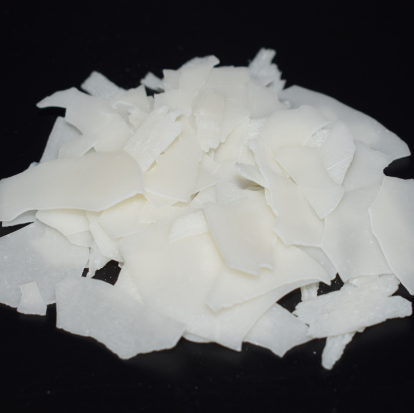
Main Component (α-Cyanoacrylate Monomer) | Serves as the main component of the instant adhesive, determining the basic performance and core application scenarios of the adhesive | The carbon number and molecular structure of the monomer have a decisive impact on the performance of the prepared instant adhesive | 1. Ethyl ester and methyl ester: Simple production process, low cost, and the prepared adhesive has good comprehensive performance, which is the mainstream category of industrial and civilian adhesives 2. Butyl ester and octyl ester: Good film-forming flexibility, low polymerization heat, suitable for the preparation of medical adhesives 3. Alkoxy ester: Low odor, low "blushing" phenomenon, suitable for high-precision product assembly and production lines 4. Allyl ester: Can be used as a crosslinking agent, which can increase the temperature resistance of the adhesive from ~80℃ to ~120~150℃ and endow the adhesive with excellent heat resistance |
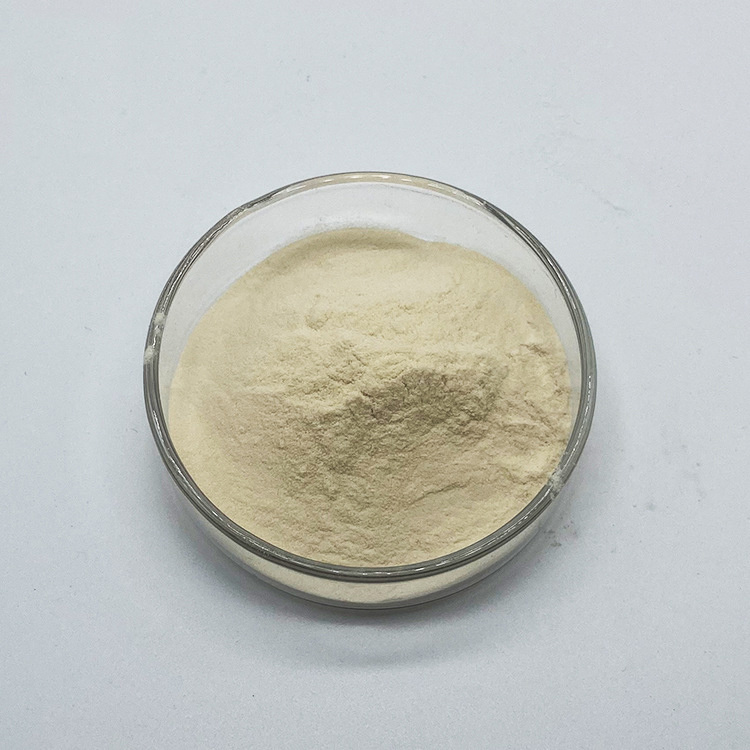
Stabilizer | Prevents the monomer from anionic polymerization and free radical polymerization, and greatly extends the shelf life of the adhesive | When preparing instant adhesives, two types of stabilizers, anionic polymerization inhibitor and free radical polymerization inhibitor, must be added at the same time to ensure a sufficiently long shelf life | 1. Anionic polymerization inhibitors: sulfur dioxide, p-toluenesulfonic acid, fluoroboric acid, etc. 2. Free radical polymerization inhibitors: hydroquinone, p-hydroxybenzaldehyde, etc. |
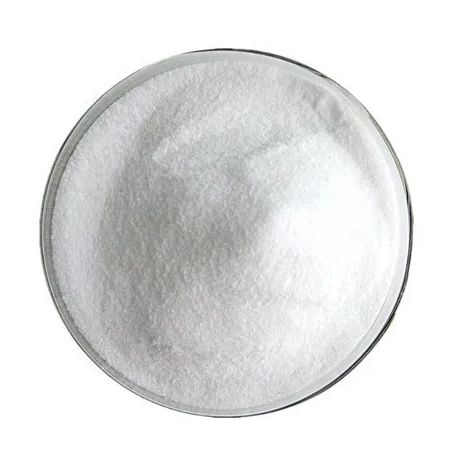
Thickener | Adjusts the viscosity of the adhesive, adapts to different bonding scenarios, and improves the bonding ability of porous materials and filling bonds. | The original viscosity of α-cyanoacrylate monomer is extremely low (about 2mPa·s), which needs to be adjusted to different applicable viscosity ranges (low, medium, high) through thickeners; Thickeners have extremely high requirements for the stability of the adhesive, and trace amounts of moisture and hydroxyl groups will affect the storage stability of the adhesive | Polymethyl methacrylate and its copolymers, poly-α-cyanoacrylate resin, cellulose derivatives, etc. |
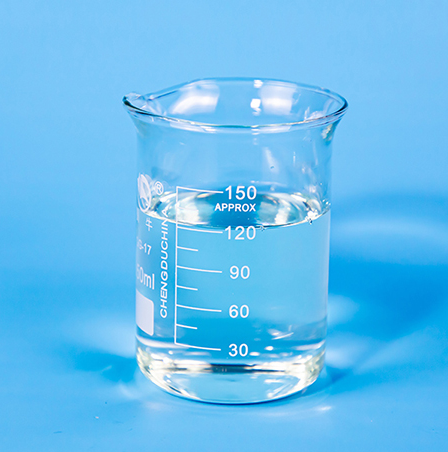
Plasticizer | Improves the brittleness of the adhesive film after curing of the instant adhesive, and enhances the impact strength and flexibility of the adhesive | Added to the basic formula to optimize the mechanical properties of the adhesive film and solve the problems of brittle pure adhesive film and poor impact resistance |
Previous page:
Blog update
What are the types of chemical materials
2024-11-05
What do chemical materials do?
2024-11-05
What are the industrial chemicals
2024-11-05