

Auxiliaries for Reactive Polyurethane Adhesives
2026-06-30

Adhesives whose main components are polymers (polyurethane, or PU) containing multiple carbamate groups (abbreviated as “urethane groups,” –NHCOO–) on their molecular backbone or oligomers containing isocyanate groups are referred to as polyurethane adhesives. Although polyurethane adhesives represent a small subcategory within polyurethane products, they are divided into many types, such as single-component and two-component adhesives; solvent-free, hot-melt, solvent-based, and water-based adhesives; as well as aromatic and aliphatic polyurethane adhesives, classified by raw material characteristics.
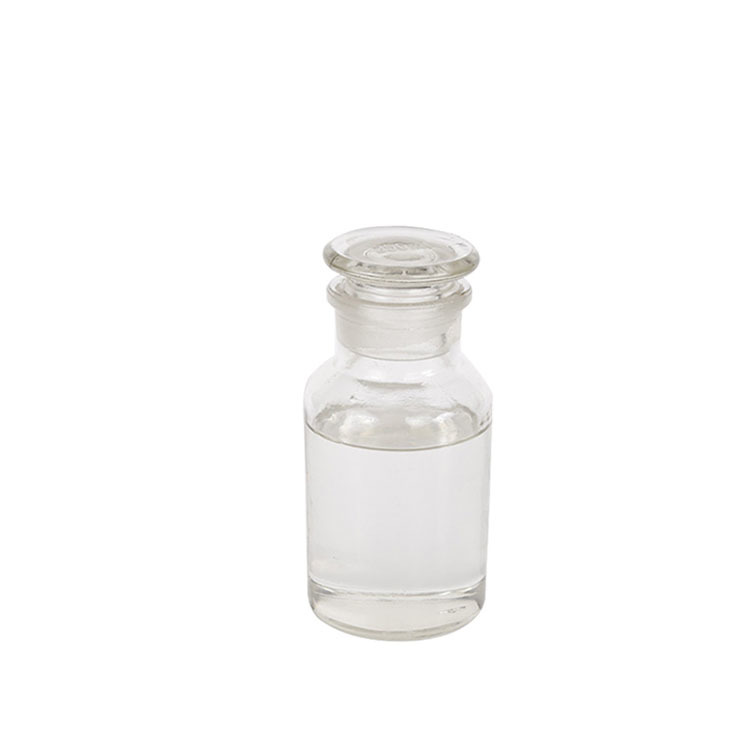


Auxiliaries
| Auxiliary Category | Core Functions | Typical Products / Chemical Names | Key Instructions & Application Scenarios |
|---|---|---|---|
Chain Extenders & Crosslinkers | Improve mechanical and durability properties of polyurethane; chain extenders are used for prepolymer synthesis, crosslinkers are formulated into curing agent components to form 3D crosslinked network | 1. Diol chain extenders: 1,4-butanediol, ethylene glycol, diethylene glycol, 1,6-hexanediol 2. Diamine chain extenders (curing agents): 3,3'-dichloro-4,4'-methylenedianiline (MOCA), 3,5-dimethylthiotoluenediamine (DMTDA), 1,4-bis(sec-butylamino)benzene, 4,4'-bis(sec-butylamino)diphenylmethane, aliphatic secondary diamines 3. Crosslinkers: glycerol, trimethylolpropane, triethanolamine, low-molecular-weight polyether polyol, diethanolamine, N,N-bis(2-hydroxypropyl)aniline 4. Hydrophilic chain extenders (for waterborne PU only): dimethylolpropionic acid, dimethylolbutanoic acid, ethylenediamine ethyl sulfonate | Diols are applicable to prepolymer synthesis; diamines and crosslinkers can be blended into curing agents. Hydrophilic chain extenders are exclusively used to produce waterborne polyurethane adhesives. |
Catalysts | Selectively accelerate PU synthesis & curing reactions and shorten reaction time | 1. Organometallic catalysts: stannous octoate, dibutyltin dilaurate, organozinc compounds, organobismuth compounds 2. Tertiary amine catalysts: various tertiary amines | Organometallic catalysts suit bubble-free curing processes; tertiary amines efficiently catalyze the reaction between isocyanate and water, only adopted for special foaming PU adhesives. |
Solvents & Plasticizers | Solvents act as reaction medium to reduce viscosity and improve workability; plasticizers cut viscosity and hardness of adhesive film | 1. Solvents: ethyl acetate, butyl acetate, methyl ethyl ketone, acetone, toluene (urethane-grade high-purity solvents) 2. Plasticizers: phosphate esters, aromatic esters | Urethane-grade solvents free of water and alcohol impurities are required for solvent-borne PU synthesis. Plasticizers can be added in small amounts to sealant formulations. |
Fillers & Pigments | Fillers lower production cost and optimize adhesive properties; pigments provide coloration | 1. Inorganic fillers: calcium carbonate, kaolin clay, molecular sieve powder, talc, wollastonite, titanium dioxide, cement, fly ash, carbon black, metal powder 2. Pigments: inorganic pigments, organic pigments, color pastes | Nano/micron-sized fillers are preferred; overdosage weakens strength and elasticity. Filler dispersants are needed to lower system viscosity. Some inorganic fillers also serve as body pigments. |
Thixotropes | Endow thixotropy to prevent sagging/flow on vertical & overhead substrates and reduce filler sedimentation | Fumed silica, fibrous talc, aluminum silicate hydrate, surface-treated calcium carbonate, acetylene black, organobentonite, urea derivatives, hydrogenated castor oil derivatives | Better thixotropic performance when fumed silica is combined with thixotropic auxiliaries. |
Foam Suppressants & Water Scavengers | Eliminate bubbles generated from reaction between -NCO and water; avoid poor bonding caused by voids | 1. Chemical water scavengers: p-toluenesulfonyl isocyanate (TI), triethyl orthoformate, oxazolidine 2. Physical water scavengers: molecular sieve powder, calcium oxide microparticles / calcium oxide plasticizer paste | Chemical water scavengers are dosed at 10 times the water content of the system; calcium oxide reacts with both water and CO₂ to double inhibit bubble formation. |
Flame Retardants | Provide flame resistance for PU adhesives used in fire-resistant required fields | 1. Liquid additive-type flame retardants: tris(2-chloropropyl) phosphate (TCPP), tris(dichloropropyl) phosphate (TDCPP), triethyl phosphate, dimethyl methylphosphonate (DMMP) 2. Solid additive-type flame retardants: melamine and its derivatives, expandable graphite, ammonium polyphosphate composites, aluminum hydroxide powder 3. Reactive flame retardants: tri(dipropylene glycol) phosphite, tri(polyoxyalkylene) phosphate, tri(polyoxyalkylene) phosphite, dimethyl N,N-bis(2-hydroxyethyl)aminomethylphosphonate | Liquid flame retardants carry plasticizing effect and reduce film strength & hardness. Solid flame retardants tend to precipitate and can be added as a third component during mixing. Reactive flame retardants are introduced in resin synthesis stage. |
Stabilizers & Durability Additives | Enhance durability, yellowing resistance, hydrolysis resistance, thermal oxidation stability and inhibit microbial growth | 1. Antioxidants: hindered phenols, aromatic secondary amines (free radical scavengers), thioesters, phosphites (peroxide decomposers) 2. Hydrolysis stabilizers: carbodiimide and its derivatives, epoxy compounds 3. Light stabilizers: benzotriazole UV absorbers, hindered amine light stabilizers (HALS) 4. Biocides / Fungicides: isothiazolinone derivatives 5. Prepolymer stabilizers: benzoyl chloride, orthophosphoric anhydride | Hydrolysis stabilizers are necessary for polyester-based PU; biocides/fungicides are added for water-contact applications. Trace stabilizers extend the storage life of prepolymers. |
Coupling Agents | Boost interfacial adhesion between inorganic materials (including metals) and PU resins; also used as primers | 1. Silane coupling agents: γ-aminopropyltriethoxysilane (KH-550 / A-1100), N-β-(aminoethyl)-γ-aminopropyltrimethoxysilane (A-1120), γ-glycidoxypropyltrimethoxysilane (KH-560 / A-187) 2. Titanate coupling agents | Can be added directly or applied to the filler surface as a pre-treatment. |
Phosphate Esters
Previous page:
Blog update
What are the types of chemical materials
2024-11-05
What do chemical materials do?
2024-11-05
What are the industrial chemicals
2024-11-05