

Main Raw Materials for Reactive Polyurethane Adhesives
2026-06-29
Oligomeric polyols (such as polyester diols and polyether polyols) and polyisocyanates (including diisocyanates) are the two main categories of raw materials for polyurethanes.

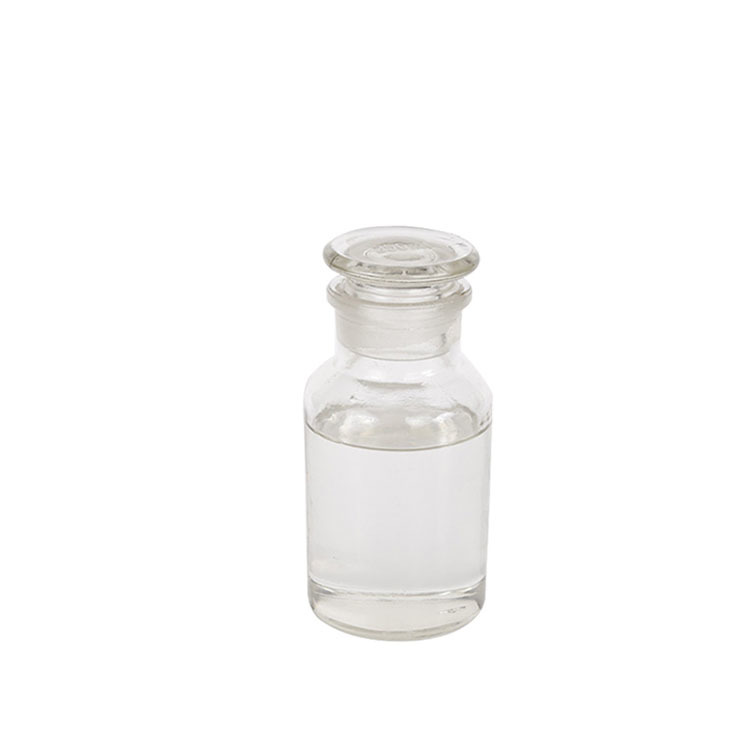
Polyester Polyols
Category of Polyester Polyols | Core Raw Materials | Key Properties |
Conventional Polyester Polyols | 1. Dicarboxylic acids: Mainly adipic acid, with a small amount of sebacic acid, phthalic anhydride, terephthalic acid, succinic acid, etc. (two types can be used in combination) 2. Diols: Ethylene Glycol (EG), 1,2-Propylene Glycol (PG), 1,4-Butanediol (BDO), Diethylene Glycol (DEG), Neopentyl Glycol (NPG), 2-Methyl-1,3-Propanediol (MPD), 1,6-Hexanediol (HDO), etc. (one or more types can be used in combination) 3. Branching regulator: A small amount of Trimethylolpropane (TMP), Glycerol | 1. Products made from even-carbon diols (1,4-Butanediol, 1,6-Hexanediol): High crystallinity, which can endow adhesives with high initial tack strength 2. Products made from diols with side groups (Neopentyl Glycol, etc.): Good flexibility and excellent hydrolysis resistance 3. Aromatic polyester diols: Light yellow to brown-red transparent viscous liquid, high hydroxyl value, slightly low molecular weight, benzene ring-containing structure, high viscosity |
Polycaprolactone Polyols (PCL) | 1. Monomer: ε-caprolactone 2. Initiator: Diols, triols, alcohol amines 3. Catalysts: Tetrabutyl Titanate, Stannous Octoate, etc. | 1. Basic properties: Low color (colorless and transparent), high purity (narrow molecular weight distribution), lower viscosity (including melt viscosity) than general polyester diols 2. Functionality: Determined by the functionality of the initiator 3. Advantages of polyurethane products: Good crystallinity, better hydrolysis stability than adipic acid-based polyester diols (low acid value products have more excellent hydrolysis resistance), high tensile strength, good resistance to hydrocarbon solvents and chemicals, and certain biodegradability |
Polycarbonate Diol (PCDL) | 1. Initiator: Small molecule diols 2. Reaction raw materials: Dimethyl Carbonate, Diphenyl Carbonate | Divided into two categories: 1. Traditional type: High crystallinity, high performance, more widely used 2. New low-crystallinity polyether carbonate diol: Still in the promotion and application stage |



Polyether Polyols
Category of Polyether Polyols | Core Raw Materials / Monomers | Key Properties |
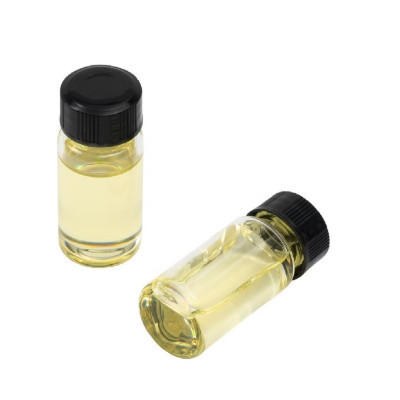
Polyether Polyols (General Category) | 1. Initiator: Polyhydroxy Compounds, Polyamino Compounds, Alkanolamines 2. Polymerization Monomers: Propylene Oxide (PO), Ethylene Oxide (EO), Tetrahydrofuran (THF) and other epoxy compounds 3. Catalyst: Potassium Hydroxide (KOH), Bimetallic Complex | The ether bond has low cohesive energy and is easy to rotate; the prepared polyurethane has good low-temperature flexibility and excellent hydrolysis resistance and low viscosity, making it easy to mix with polyisocyanates and additives; it can be directly used to prepare solvent-free adhesives, and can produce low-viscosity polyurethane prepolymers |
Polyoxypropylene and Copolyether Polyols (General Polyether Polyols) | 1. Core Monomers: Propylene Oxide (PO), Ethylene Oxide (EO) 2. Subcategories: High-activity polyether polyols, low-unsaturation high-molecular-weight polyether polyols, special functional polyether polyols containing P/N/aromatic ring/heterocyclic ring | 1. Appearance: Clear, colorless or light yellow transparent oily liquid 2. Basic properties: Excellent low-temperature flexibility and hydrolysis resistance, low viscosity and easy to mix, mechanical properties slightly inferior to polyester-type polyurethane 3. Can be directly used to prepare solvent-free adhesives and produce low-viscosity polyether-type polyurethane prepolymers |
Polytetramethylene Ether Glycol (PTMEG, Polytetramethylene Ether Diol) | 1. Core Monomer: Tetrahydrofuran (THF) 2. Modified Monomers: Propylene Oxide (PO), Ethylene Oxide (EO) (for a small amount of copolymerization) | 1. Structural characteristics: The structural formula is HO[(CH₂)₄O]nH, containing highly active terminal primary hydroxyl groups. 2. Product positioning: High-grade raw material for polyurethane, high cost 3. Physical properties: Molecular weight ~650~2900, melting point/freezing point 11~38°C |

Other Oligomeric Polyols
Category of Other Oligomer Polyols | Core Raw Materials / Categories | Key Properties |
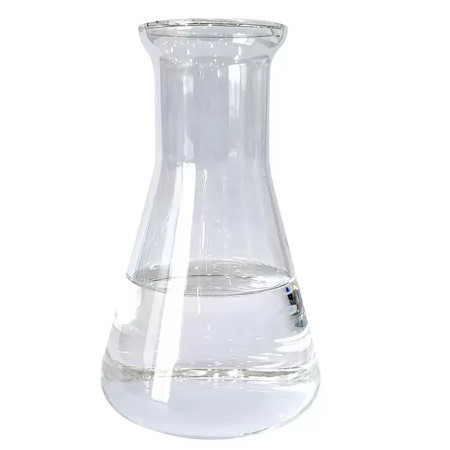
Polyolefin Polyols | 1. Core Category: Hydroxyl-terminated Polybutadiene Liquid Rubber (HTPB) 2. Modified Categories: Hydroxyl-terminated Polybutadiene-acrylonitrile (HTBN), Hydroxyl-terminated Styrene-butadiene Liquid Rubber, Hydrogenated Hydroxyl-terminated Polybutadiene | 1. General Properties: Strong hydrophobicity of the chain segments, excellent hydrolysis resistance of the prepared polyurethane, excellent electrical insulation properties, acid and alkali resistance, and low-temperature flexibility; good adhesion to low-polarity materials; excellent air tightness; and extremely low moisture vapor transmission rate. 2. Exclusive Properties of HTBN: The molecular chain contains polar cyano groups, which additionally endow the material with excellent adhesion, oil resistance, aging resistance, low-temperature resistance and electrical insulation properties |
Vegetable Oil Polyols | 1. Natural Raw Material: Castor Oil (Refined Bleached Castor Oil) 2. Modified Raw Material: Vegetable oils containing unsaturated fatty acids (modified vegetable oil polyols prepared by hydroxylation reaction of double bonds) | 1. Basic Properties of Castor Oil: Light yellow liquid with slight special odor; average hydroxyl functionality of about 2.7; equivalent weight of about 345; typical acid value of natural castor oil is 163mg/g (calculated as KOH), which can be reduced to 1~ 2 mg/g (calculated as KOH) after refining 2. Product Performance: The prepared polyurethane has good hydrolysis resistance, flexibility, low-temperature performance and electrical insulation properties 3. Modification Advantages: The functionality and hydroxyl value can be adjusted as needed to meet the requirements of different formulations |
Polyether Ester Diol | Preparation Route 1: Prepared by ring-opening reaction of monomers such as propylene oxide, tetrahydrofuran and ethylene oxide with short-chain polyester as initiator 2. Preparation Route Prepared by polyester synthesis process with short-chain polyether, other polyols and dicarboxylic acid as raw materials | It has the comprehensive advantages of both polyester polyols and polyether polyols, complementing each other's strengths, balancing the mechanical properties of polyester with the hydrolysis resistance and low-temperature flexibility of polyether, and has stronger performance adaptability |


Polyisocyanates
Polyisocyanate Grade | Core Physical Properties | Key Characteristics & Reactivity |
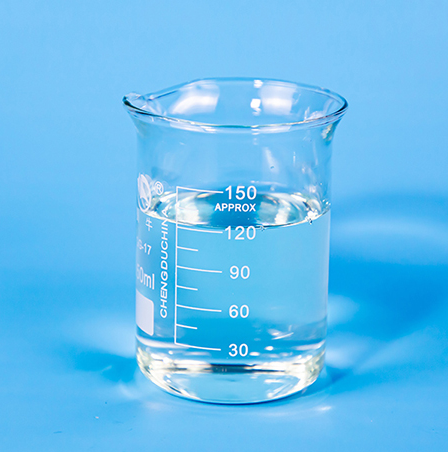
Toluene Diisocyanate (TDI) | Colorless/light yellow low-viscosity transparent liquid with special pungent odor at ambient temperature; viscosity 3.2 mPa·s at 20℃; insoluble in water, soluble in organic solvents; white crystals precipitate when stored below 10℃; molecular weight 174.15, mass fraction of —NCO group approx. 48.2% | Low melting point, convenient to use as liquid at room temperature; relatively high vapor pressure, vapor is irritant and toxic; industrial product purity (total isomer content) ≥99.5% generally; indicators including acidity and hydrolyzable chlorine affect reactivity with polyols |
Methylene Diphenyl Diisocyanate & Liquefied MDI (MDI Series) | Pure MDI (MDI-100, ≥99.5% 4,4'-MDI): an off-white to pale yellow solid at room temperature, melting point 39~43°C, soluble in most organic solvents; molecular weight 250.2, —NCO mass fraction 33.5%. Products with >25% 2,4'-isomer content are liquid at ambient temperature; optimal storage temperature 25~35℃. C-MDI: pale yellow liquid, —NCO mass fraction 28%~30%, average functionality slightly higher than 2.0 | Vapor pressure far lower than TDI, extremely low volatility and nearly no odor at room temperature; 4,4'-MDI features higher reactivity and melting point than 2,4'-MDI; symmetric molecular structure delivers high mechanical strength to polyurethane products; pure MDI slowly forms infusible & insoluble dimers under low-temperature storage; repeated cooling-thawing accelerates dimer formation; prepolymers made from high 2,4'-MDI grades have lower viscosity |
Isophorone Diisocyanate (IPDI) | Colorless/light yellow liquid at ambient temperature, fully miscible with organic solvents; molecular weight 222.3, —NCO mass fraction | Very low vapor pressure, almost odorless at room temperature; aliphatic diisocyanate with lower reactivity than aromatic isocyanates such as TDI and MDI; prepolymer synthesis requires reaction temperature of ~80~90°C; resulting polyurethane adhesives are colorless/pale and feature outstanding long-term anti-yellowing performance |
Polymethylene Polyphenyl Isocyanate (PAPI / Crude MDI / Polymeric MDI / PMDI) | Brown to dark brown medium-low viscosity liquid at ambient temperature; viscosity of different grades ranges from ~100 to ~2000 mPa·s; relative density is approx. 1.238 at 20°C, freezing point is approx. 5°C. Standard polymeric MDI: average functionality ~2.7, viscosity 100~300 mPa·s, —NCO mass fraction ~31%~32%, contains about 50% MDI | Multiple rigid benzene rings in molecular chain, high average functionality; manufactured polyurethane articles have high hardness and excellent solvent resistance; grades differ greatly in 4,4'-MDI/2,4'-MDI ratio, functionality, and reactivity; most grades have functionality ~2.2~3.0, and modified grades have average functionality ~2.3~2.6. |
Other Diisocyanates | HDI: colorless/light yellow low-viscosity liquid at ambient temperature, molecular weight 168.2; HMDI: colorless to pale yellow liquid at room temperature, may crystallize below 25°C | Most are aliphatic/cycloaliphatic diisocyanates with lower reactivity than aromatic diisocyanates (TDI, MDI, etc.). prepared polyurethane products feature anti-yellowing performance and high strength; generally, they have high cost and limited supply |
Previous page:
Next page:
Blog update
What are the types of chemical materials
2024-11-05
What do chemical materials do?
2024-11-05
What are the industrial chemicals
2024-11-05