

What Is Epoxy Adhesive?
2026-06-25

Epoxy adhesives are systems with relatively complex formulations. Epoxy structural adhesives generally require the use of rubber or thermoplastic resins for toughening. The formation of an ideal toughening system involves two processes: mutual solubility and phase separation. In the prepared adhesive, the toughening agent is miscible with the epoxy resin system. As the epoxy resin cures, the toughening agent completely precipitates from the resin, forming a multiphase structure in which the cured epoxy resin serves as the continuous phase and the toughening agent as the dispersed phase—also known as an “island-island structure.”
The continuous resin phase withstands high temperatures and high modulus; when subjected to impact forces that cause failure, cracks first form in the continuous phase. As the cracks propagate into the dispersed phase, their direction deflects, and the plastic deformation of the cell walls absorbs energy. Furthermore, by reducing the tip effect at the crack front and dispersing stress concentration points, the system is able to absorb more energy during failure, thereby exhibiting high toughness. Of course, factors such as the amount of different toughening agents, the morphology of the dispersed phase, the curing agent structure, and the curing rate all influence one another.
Compared to other reactive structural adhesives, epoxy adhesives also have some “inherent” limitations. Because they undergo a gradual polymerization process, molecular weight increases slowly, resulting in a slow curing rate; even when the gel time is adjusted to 5–10 minutes, the initial strength remains very low. Conventional epoxy resins have relatively high chlorine content, which has been found to affect certain steel structures and electronic circuits, while low-chlorine epoxy resins are more expensive.
Composition and Properties of Epoxy Adhesives
| Name | Composition or Type | Function |
| Resin | Glycidyl ether (mainly bisphenol A type and bisphenol F type), glycidyl ester, glycidyl amine, and alicyclic epoxy resin. Such as E-51, E-44, E-20, F-44, phenolic-epoxy, etc. | The molecule contains multiple epoxy groups, which can react with active groups such as amino, carboxyl, acid anhydride, and mercapto. It can also undergo catalytic polymerization initiated by substances such as dicyandiamide, imidazole, tertiary amine, and boron trifluoride compounds. Soluble in ketones, esters, halogenated hydrocarbons, and aromatic solvents. |
| Curing Agent / Accelerator | Substances containing active hydrogen (amino, carboxyl, mercapto); acid anhydrides: Dicyandiamide, tetrahydrophthalic anhydride; catalytic and accelerating types: Dicyandiamide, Imidazole, Tertiary amine (DMP-30), Boron trifluoride complex | Aliphatic amines and mercapto compounds with multiple reactive groups can be cured at room temperature, while other types generally require heating for curing. The curing temperature is related to the type of curing agent and catalyst. The dosage of reactive curing agents must be accurate. |
| Diluent | Plasticizer [DOP (Dioctyl Phthalate) or DBP (Dibutyl Phthalate)] or low-viscosity substances with epoxy groups, such as glycidyl ether-type monofunctional epoxy and difunctional epoxy | Enhances the wettability and processability of the adhesive and increases the flexibility of the cured adhesive layer but reduces heat resistance and mechanical properties, with the dosage not exceeding 15%. |
| Toughening Agent | Polysulfide rubber, carboxyl-terminated nitrile rubber, polyurethane, nylon, polysulfone, nano rubber, polyamide | The general dosage is 20% ~ 40%. For high molecular weight toughening agents, they can be made into adhesive films or solvent-based adhesives. End-reactive toughening agents have excellent effects and have been widely used. |
| Filler | Metal powder, metal oxide powder, inorganic salt powder, nanomaterials (such as nano-organic bentonite) | Increases the thermal conductivity, heat resistance, wear resistance, and hardness of the adhesive layer and can also adjust the flowability and shrinkage rate. |
| Coupling Agent | Silane, Titanate, Aluminate | Enhances the adhesion and water resistance to adherends such as metal, glass, ceramic, etc. The recommended dosage is about 1%. |


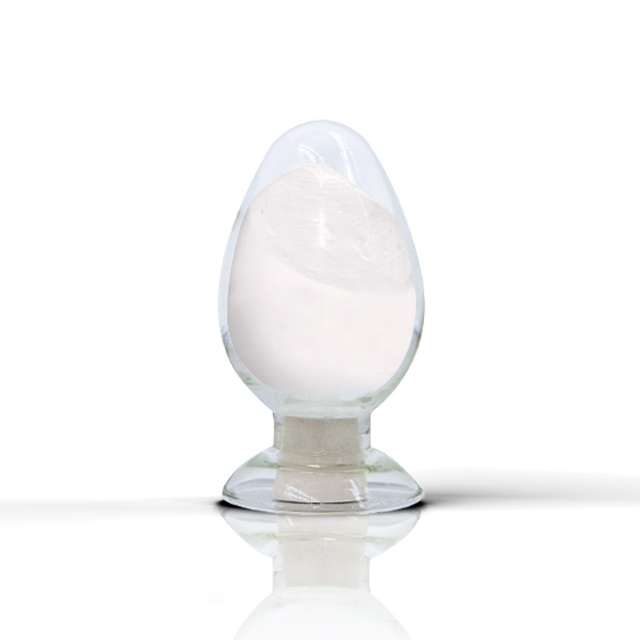

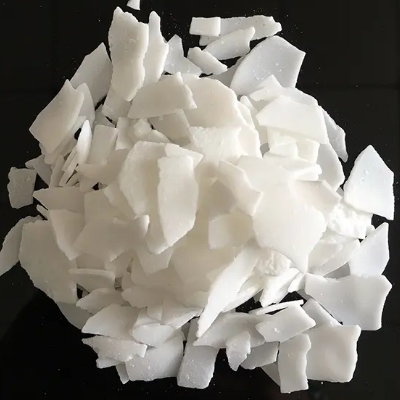
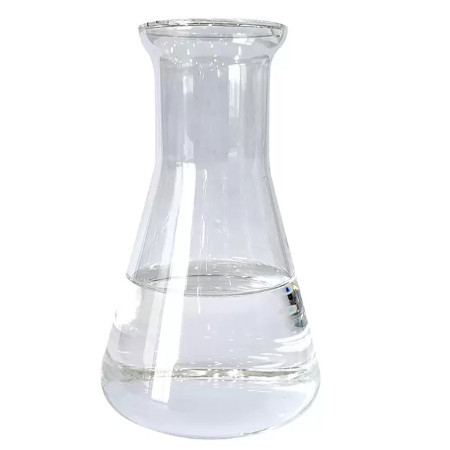
Single-component epoxy adhesives can be solvent-free liquids, solvent-based solutions, liquid resin pastes, hot-melt powder, adhesive sticks, adhesive films, and pastes, as well as carrier-based or carrier-free adhesive films, and can be formulated into shapes suitable for specific bonding applications. Two-component epoxy adhesives generally consist of an epoxy resin and a curing agent, which are mixed thoroughly just before use. The adhesive may be in liquid, putty, or powder form. Epoxy adhesives may contain plasticizers, reactive diluents, fillers, and resin modifiers. Curing conditions are determined by the curing agent used. Generally, two-component systems are mixed and applied within the required pot life (ranging from a few minutes to several hours) and cured at room temperature for at least 7 days or cured at elevated temperatures to shorten the curing time. High-temperature curing of epoxy adhesives, or curing at elevated temperatures for room-temperature curing systems, is beneficial for bond strength. Typical conditions for rapid curing of room-temperature curing adhesives under heat are 60°C for 8 hours or 100°C for 20 minutes.
What Is Epoxy Resin Used For?
Epoxy adhesives have low curing shrinkage, do not release small molecules, possess high cohesive strength and high bond strength, offer excellent chemical resistance, and have outstanding overall performance. They effectively bond steel, aluminum, brass, copper, and various other metals. They deliver equally effective results when bonding thermosetting plastics, thermoplastic plastics, glass, wood, concrete, paper products, textiles, and ceramics. As one of the most widely used types of adhesive materials today, they play an extremely important role in fields such as automotive, aerospace, electronics and electrical engineering, construction and bridge engineering, and new energy. For example, in the fields of vehicle and aircraft manufacturing and lightweight applications, epoxy adhesives are used in liquid adhesives for honeycomb core production, films for honeycomb sandwich structures, and pre-coated adhesives for reinforcement panels, as well as edge-sealing adhesives and spot-welding adhesives for vehicle assembly. Epoxy adhesives are also used in the manufacture of missiles, rockets, satellites, housings, and wind turbine blades; epoxy resin systems are the only viable option for chip underfill, electronic component encapsulation, low-power LED potting, and conductive adhesives; even in building reinforcement, structural strengthening, steel bridge deck paving, and rebar anchoring in construction, epoxy resin systems are employed.
Previous page:
Blog update
What are the types of chemical materials
2024-11-05
What do chemical materials do?
2024-11-05
What are the industrial chemicals
2024-11-05