

A Complete Guide to Hindered Amine Light Stabilizer
2026-05-21
Contact Kerton Chemicals Right Now!!!
Hindered amine light stabilizers are a class of highly effective stabilizers that inhibit photo-oxidative degradation of polymers. They are used to prevent aging in polymeric materials such as plastics and rubber, thereby enhancing the materials’ resistance to photo-aging. Their light-stabilizing efficacy is 2 to 4 times greater than that of traditional absorptive light stabilizers, and they exhibit good compatibility with many resins.
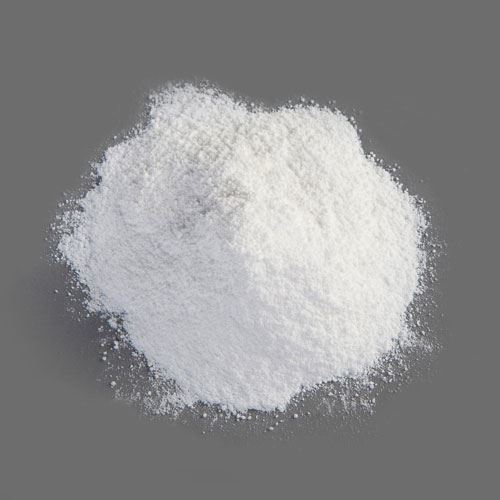


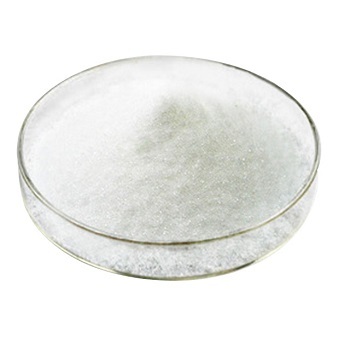


Light stabilizer UV292
Light Stabilizer 292 is a liquid hindered amine light stabilizer. It appears as a colorless to pale yellow transparent liquid and is soluble in methanol, ethanol, benzene, toluene, hexane, and other solvents. It is insoluble in water, easy to handle, and has good compatibility with polymers and common solvents. It does not volatilize when heated, does not stain, and is thermally stable.
Properties
Type | Light stabilizer UV292 |
Appearance | Colorless to light yellow transparent liquid |
Effective content | ≥96(GC) |
Chroma | <50 |
Freezing point | ≤-10℃ |
Ash content | ≤0.1% |
Volatile matter | ≤0.5% |
Transmittance | 425 nm ≥ 98% 500 nm ≥ 99% |
Applications
Light Stabilizer 292 is intended for use in paints, coatings, inks, polyurethane paints, and other applications, including polyethylene, PVC, ABS, polyurethane, and polyester. It can be used in water-based or solvent-based single-component or two-component polyurethane paints, PU foam plastics, TPU, and other materials. This product effectively prevents coatings from losing gloss under intense sunlight, avoids cracking and mottling, and prevents blistering and surface peeling, thereby significantly extending the service life of the coating. It is particularly effective in automotive coatings. It can be used in combination with UV absorbers such as UV-1130 and UV-328 to achieve a synergistic effect.
Light stabilizer UV622
UV622 is a high-molecular-weight oligomeric hindered amine light stabilizer that appears as a white or pale yellow granular solid. It offers excellent thermal stability during processing, very low volatility, and resistance to migration, extraction, and gas-induced fading. It also provides outstanding long-term resistance to photoaging.
Properties
Type | Light stabilizer UV622 |
Appearance | White powder |
Melting point (°C) | 50.0-70.0 |
Volatile Matter (%) | ≤0.5 |
Ash (%) | ≤0.1 |
Clarity | Transparent |
450nm (%) | ≥95.0 |
500nm (%) | ≥975.0 |
Applications
Light stabilizer UV622 offers excellent processing thermal stability, very low volatility, and resistance to migration, extraction, and gas-induced fading. It provides outstanding long-term resistance to photoaging. It is primarily used in polyolefins and their copolymers, as well as in polyamides and polyurethanes (such as fibers and hot-melt adhesives). It is a highly effective light stabilizer, outperforming UV absorbers, particularly in pigmented systems. It produces good synergistic effects when used in combination with UV absorbers or other HALS. It can be added directly or blended as a masterbatch during the processing of polyurethane products, with a recommended usage level of 0.3% to 0.6%.
Light stabilizer UV770
Light Stabilizer 770 is a low-molecular-weight hindered amine light stabilizer. It appears as a white or slightly yellow powder or fine granules, with a melting point range of 80–86°C, a vapor pressure (20°C) of 1.3×10⁻⁸ Pa, a density (20°C) of 1.05 g/cm³, and a bulk density (crystalline fine granules) of 0.47–0.51 g/cm³. It is insoluble in water, with solubilities of 19% and 24% in acetone and ethyl acetate, respectively.
Properties
Type | Light stabilizer UV770 |
Appearance | White crystalline powder or granules |
Content | ≥99%(GC) |
Melting point | 81-86℃ |
Ash | ≤0.1% |
Volatility | ≤0.5% |
Light transmittance | 425 nm≥98% 500 nm ≥ 99% |
Applications
Light Stabilizer 770 offers excellent light stability and can be used in polypropylene, polyethylene, polystyrene, and their copolymers, as well as in polyurethane, polyamide, and polyacetal resins. Its light-stabilizing performance surpasses that of currently widely used light stabilizers. When used in combination with antioxidants, it enhances heat resistance; when used with UV absorbers, it exhibits a synergistic effect, further improving light stability. In the polyurethane sector, it can be used in RIM, TPU, sealants, and other applications. The recommended usage range is 0.1% to 0.5%.
Next page:
Blog update
What are the types of chemical materials
2024-11-05
What do chemical materials do?
2024-11-05
What are the industrial chemicals
2024-11-05