

Anti-aging Additives and Stabilizers
2026-05-20
In nature and under specific usage conditions, polyurethane, like other polymeric materials, undergoes thermal-oxidative degradation, hydrolysis, photodegradation, and microbial degradation when exposed to light, heat, oxygen, water, and microorganisms. This leads to a reduction in the polymer’s strength until it loses its practical value. To inhibit degradation and extend the material’s service life, it is essential to add antioxidants and stabilizers.
Antioxidants and light stabilizers are commonly used as anti-aging agents, while hydrolysis inhibitors are generally added to suppress hydrolysis; fungicides and mold inhibitors are typically added to prevent the deterioration of polymer properties and the formation of mold spots caused by fungi and bacteria. These additives are collectively referred to as stabilizers; they ensure the long-term stability of polymer materials and prevent aging. They constitute a distinct category of additives, entirely different from foam stabilizers (foam equalizers) that serve to stabilize the foam during the production of polyurethane foam plastics.
Light Stabilizers
The primary light-stabilizing additives that prevent photoaging, photodegradation, and yellowing are ultraviolet absorbers (UVA) and hindered amine light stabilizers (HALS). Based on their chemical structure, UV absorbers are primarily classified into benzotriazoles, salicylates, and benzophenones. For polyurethane materials, UV absorbers primarily consist of benzotriazole compounds.




UV Absorbers
UV Absorber UV-1
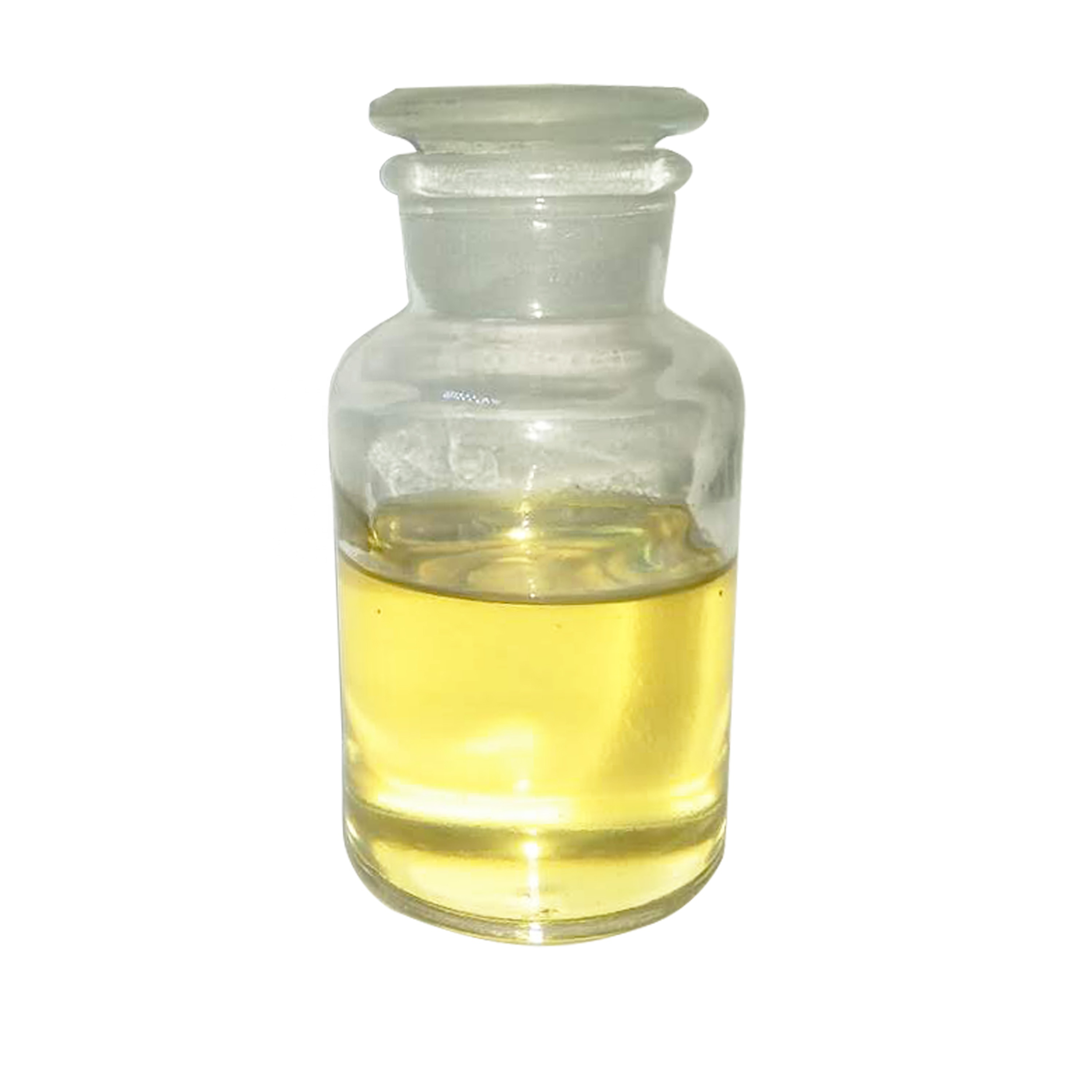
UV absorber UV-1 is an anti-UV additive that effectively absorbs ultraviolet light in the 240–330 nm range. It is a pale yellow, viscous liquid with a melting point of 27–28°C, a flash point >100°C, a density (at 20°C) of 1.127 g/cm³, and a viscosity (at 20°C) of approximately 9 Pa·s. It is insoluble in water but soluble in organic solvents such as acetone, ethyl acetate, ethanol, and isopropanol.
UV absorber UV-1 has good compatibility with epoxy resins and can be used in adhesives, potting compounds, and crystal resin materials. It is also suitable for polyurethane materials, such as foam, elastomers, leather, footwear materials, adhesives, and coatings.
UV Absorber UV-320
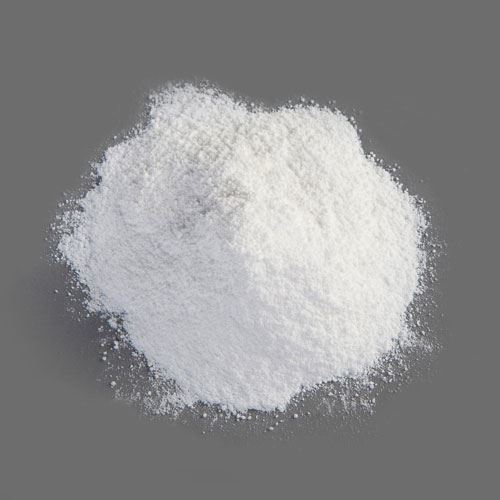
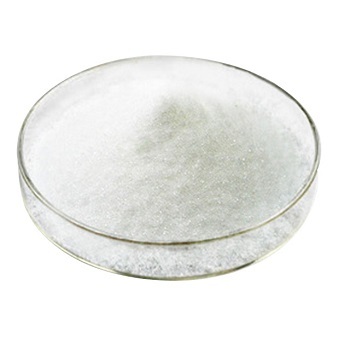
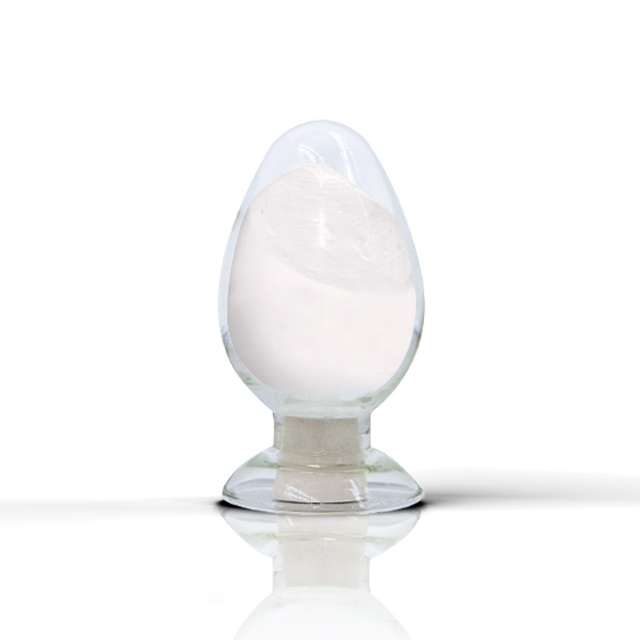
UV absorber UV-320 , CAS 3846-71-7, is a highly effective light stabilizer. It is a white to slightly yellow powder with a melting point of 152–156°C and a purity of 99% (HPLC). Solubility (at 20°C): 3.0% in acetone, 5.0% in n-hexane, 7.0% in ethyl acetate, 0.3% in methanol, and <0.01% in water; toxicity data: LD₅₀ ≥ 2000 mg/kg.
UV-320 is widely used in plastics and other organic materials, including unsaturated polyesters, rigid and flexible PVC resins, polyurethanes, polyesters, and polyamides. UV-320 is characterized by strong UV absorption capacity and low volatility. It is slightly lighter in color than typical UV absorbers and is odorless. The usage range in polyurethanes is 0.2%–1.0%.



UV Absorber UV-326
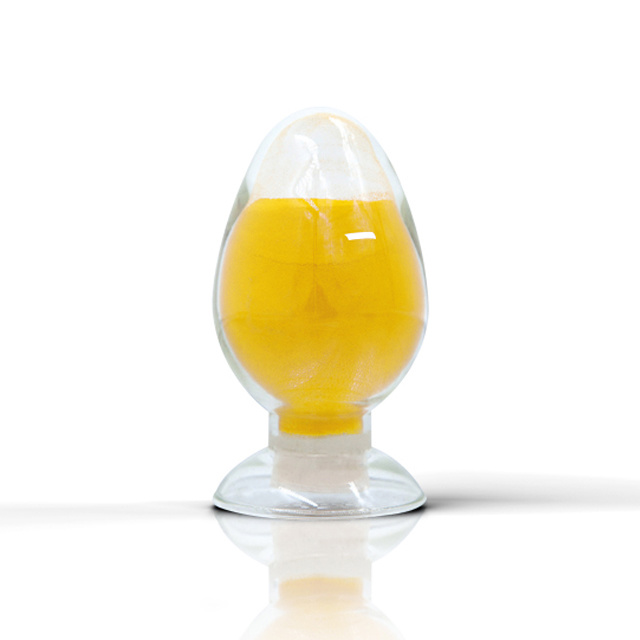
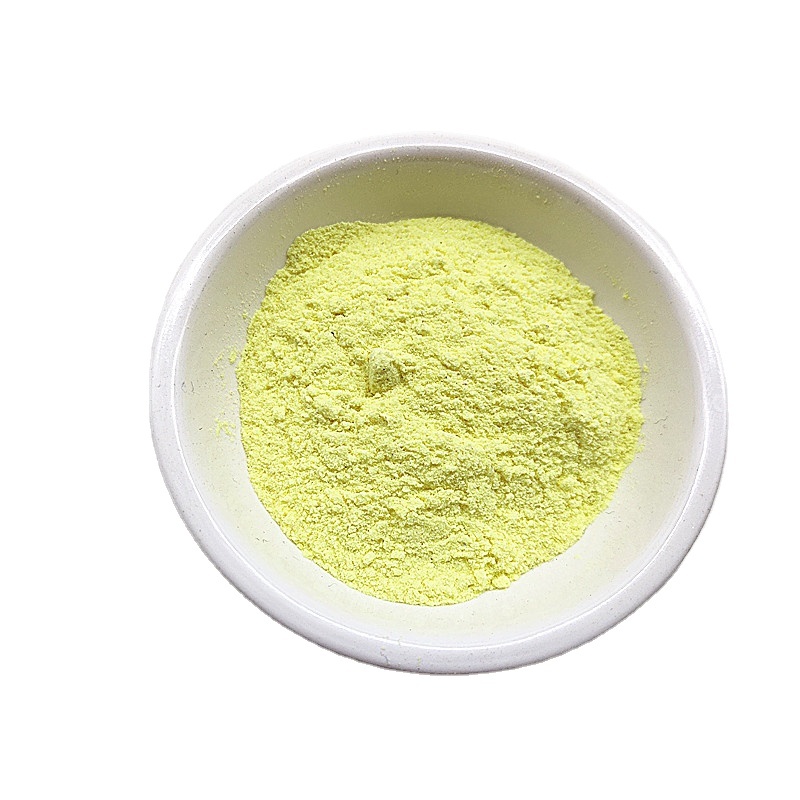
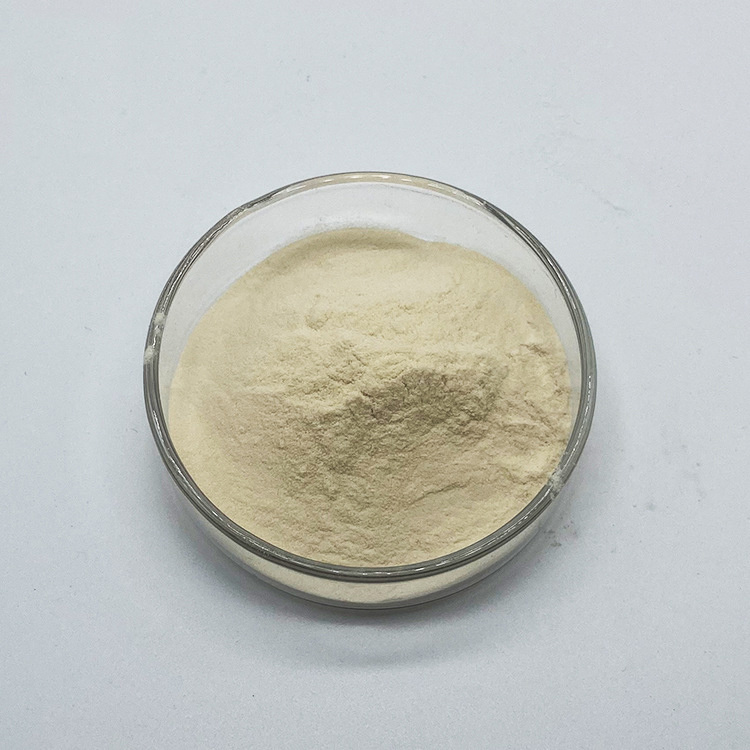
UV absorber UV-326, CAS 3896-11-5, is a highly effective UV absorber belonging to the hydroxyphenol and benzotriazole classes. It appears as a white to pale yellow crystalline powder or fine granules, with a melting point range of 138–141°C, a density of 1.32 g/cm³, and a bulk density of 0.13–0.22 g/cm³. It is insoluble in water.
UV absorber UV-326 exhibits strong absorption in the 300–400 nm range but shows minimal absorption in the visible light region, with maximum absorption peaks at 312 nm and 353 nm. UV absorber UV-326 has low volatility and is resistant to thermal degradation; it is primarily used in polyolefin and polyester resins. It does not form colored complexes with metal ions acting as catalysts in resins. The typical usage level in polyester resins is 0.2%–0.3%, while the recommended usage in polyester resins containing chlorinated flame retardants is 0.5%. It can be used in RIM polyurethanes, TPU, and polyurethane hot-melt adhesives.
The advantages of UV absorber UV-326 include stable performance, low toxicity, and strong UV absorption capacity. It can be widely used in photosensitive materials such as color film, color photographic film, and color photographic paper, as well as in polymeric materials, protective coatings, and many other fields.
Solubility of UV-326 (25°C) Unit: g/100mL Solvent
Solvent | Solubility | Solvent | Solubility |
Acetone | 1.1 | Cyclohexane | 4.1 |
Ethanol | 0.1 | Methyl Ethyl Ketone (MEK) | 2.9 |
Methanol | 0.1 | 0.5 | |
Carbitol | 0.9 | 0.9 | |
Ethyl Acetate | 2.5 | Methyl Methacrylate (MMA) | 4.9 |
Benzene | 9.2 | Styrene | 12.6 |
Toluene | 9.5 | Turpentine Oil | 1.9 |
Butyl Acetate | 3.3 | Petroleum Solvent | 1.8 |
UV Absorber UV-327
UV absorber UV-327, CAS No. 3864-99-1, molecular formula C₂₀H₂₄ClN₃O, is a highly efficient hydroxyphenol benzotriazole UV absorber that strongly absorbs ultraviolet light in the 300–400 nm wavelength range. Its chloroform solution exhibits maximum absorption peaks at 314 nm and 353 nm. It absorbs very little in the visible light region (wavelength > 400 nm), making it particularly suitable for colorless, transparent, and light-colored products. It exhibits strong absorption of long-wavelength UV light (>350 nm), making it especially suitable for polyethylene and polypropylene. It can also be used as a UV absorber in polyvinyl chloride, polymethyl methacrylate, ABS resin, and other materials, with a typical usage range of 1%–3%.
The usage range for UV-327 is 0.1%–1.0%. It can be used alone or in combination with other light stabilizers (hindered amines, conventional benzotriazole UV absorbers), antioxidants (hindered phenols, phosphites, thiol synergists, hydroxylamines, lactones), and other functional stabilizers.
Name | UV-327 |
CAS Number | 3864-99-1 |
Melting Point Range | 154 ℃ |
Boiling Point | 469.2℃ (at 760 mmHg) |
Density | 1.18 g/cm³ |
Appearance | Light yellow powder |
Flash Point | 237.6 ℃ |
Solubility (20°C) | Less than 0.01% in water, 1% in acetone, 19% in chloroform, 5% in cyclohexane, 5% in ethyl acetate, 4% in n-hexane, less than 0.1% in methanol, and 17% in dichloromethane. |
Volatile (TGA, pure substance heated at a rate of 20 ℃/min in air) | The temperature for 1.0% weight loss is 190°C, 2.0% weight loss at 205°C, and 5.0% weight loss at 225°C. The general purity is ≥99%. |
UV Absorber UV-328
UV-328 is a highly effective UV absorber. It appears as a pale yellow or white powder or granules and effectively absorbs ultraviolet radiation with wavelengths ranging from 270 to 380 nm, with maximum absorption peaks at 306 nm and 345 nm. Its light stability is similar to that of UV-327. This product exhibits good compatibility with polymers, low volatility, and excellent wash resistance. UV Absorber 328 is primarily used in polyethylene, polypropylene, polystyrene, acrylic resins, polyvinyl chloride (PVC), unsaturated polyester resins, polyurethanes, ABS resins, epoxy resins, and fiber resins. In the polyurethane sector, it can be used in TPU, RIM polyurethanes, spandex, and sealants. It also provides excellent light stability in various coatings. Depending on the application and material, the usage range is 0.1% to 1.5%.
UV-328 can be used alone or in combination with hindered amine light stabilizers, antioxidants (hindered phenols, phosphites, thiol synergists, hydroxylamines, lactones), and other functional stabilizers. UV-328 works particularly well when used in combination with hindered amine light stabilizers.
Name | UV-328 |
CAS Number | CAS 25973-55-1 |
Melting Point | 80-83℃ |
Boiling Point | 469.1℃ at 760 mmHg |
Refractive Index | 1.575 |
Flash Point | 229°C |
Density | 1.08 g/cm³ |
Water Solubility | Insoluble |
Vapor pressure (20 ℃) | 4.7×10⁻⁶ Pa |
Solubility | Soluble in organic solvents such as toluene, ethyl acetate, methyl ethyl ketone, solvent gasoline, and plasticizers. |
Weightlessness Temperature | The temperature for 1.0% weight loss is 183°C, the temperature for 2.0% weight loss is 202°C, and the temperature for 5.0% weight loss is 223°C. |
Appearance | Slightly pale yellow powder |
Application | Suitable for polymers such as polyolefins (especially polyvinyl chloride, PVC), polyesters, styrenics, polyamides, and polycarbonates. |


UV Absorber UV-571
UV absorber UV-571 is a hydroxyphenol-benzotriazole-type liquid UV absorber, appearing as a pale yellow oily liquid. It exhibits strong absorption in the 300–400 nm range but very little absorption in the visible light region, with maximum absorption peaks at 303 nm and 343 nm (in a 10 mg/L chloroform solution).
UV absorber UV-571 is soluble in many solvents, monomers, and intermediates. It emulsifies easily in water-based adhesives and can be used in combination with phenolic antioxidants, auxiliary stabilizers (such as phosphite esters and sulfides), and HALS. It exhibits good compatibility with polymers, low volatility at high temperatures, and high light stability efficiency. UV-571 can be used in thermoplastic polyurethanes, integral skin polyurethane foams, polyurethane sealants, PVC, PMMA, EVA, thermosetting unsaturated polyesters, and synthetic fibers (including spandex), as well as in latex, wax products, adhesives, styrene polymers, elastomers, and polyolefins. In polyurethane applications, the recommended dosage of 571 ranges from 0.2% to 0.5%.
Name | UV-571 |
CAS Number | CAS 23328-53-2 |
Appearance | Light yellow oily liquid |
Freezing Point | -56℃ |
Flash Point | >200℃ |
Density (20°C) | 1.0g/cm³ |
Solubility | Insoluble in water, soluble in organic solvents including acetone, ethyl acetate, etc. |
Thermal Volatility | Lower thermal volatility compared with UV-326 |
UV Absorber UV-1130
Tinuvin 1130 is a liquid hydroxyphenyl benzotriazole UV absorber. It is a pale yellow to pale brown transparent liquid that strongly absorbs ultraviolet radiation in the 300–400 nm wavelength range, with maximum absorption peaks at 303 nm and 342 nm, thereby preventing the photodegradation of polymers. It has low volatility, and the liquid formulation is easy to handle. It can be used in many materials, including polyurethanes (RIM, TPU, sealants, foams, water-based polyurethanes, etc.), liquid color pastes, elastomers, styrene polymers, PMMA, vinyl polymers, engineering plastics such as polycarbonates, and polyolefins. It is not recommended for use in two-component PU coatings.
Name | Tinuvin 1130 |
Appearance | Light yellow to light brown transparent liquid |
Freezing Point | -40℃ |
Flash Point | 114℃ |
Density (20°C) | 1.17g/cm³ |
Viscosity (20°C) | 6000~8000mPa・s |
Solubility | Insoluble in water, dispersible in aqueous phase systems, and soluble in organic solvents including acetone, toluene, chloroform, ethyl acetate, ethanol, dichloromethane, etc. |
Volatility (TGA) | Thermogravimetric Analysis (TGA) result (heating rate 10℃/min in air): 1% weight loss occurs at 140°C, and 10% weight loss occurs at 280°C. |
Previous page:
Blog update
What are the types of chemical materials
2024-11-05
What do chemical materials do?
2024-11-05
What are the industrial chemicals
2024-11-05