

What Is Butyl Sealant?
2026-07-07
Butyl sealant refers to a sealant made primarily from isobutylene-based polymers; it is one of the most widely used types of sealant in the world.

Characteristics of Butyl Sealant
Butyl sealant has an extremely high degree of saturation and exhibits excellent weather resistance, ageing resistance, heat resistance, and resistance to acids and alkalis. At the same time, the dense arrangement of side-chain methyl groups in its molecular structure restricts the thermal motion of polymer molecules, resulting in low gas permeability and good airtightness. Furthermore, the absence of double bonds in its molecular structure, combined with the high density of side-chain methyl groups, gives it excellent vibration-damping and impact-energy-absorbing properties. Furthermore, this type of sealant exhibits good damping properties, low-temperature flexibility, and electrical insulation. Consequently, it is widely used for sealing various machinery, pipelines, glass, and cable joints, as well as in buildings and water conservancy projects.
The Composition and Functions of Butyl Sealant
Butyl sealants are currently primarily single-component, with two-component or multi-component types serving as supplements. They generally consist of components such as resin systems, curing systems, fillers, plasticisers, tackifiers, and anti-ageing agents.


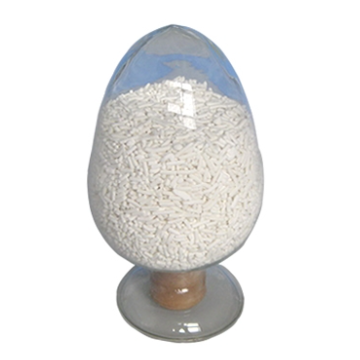

Components | Core Types | Main Functions |
Resin | Butyl rubber (IIR), halogenated butyl rubber, polyisobutylene, silane-modified butyl resin | Form crosslinking network, enhance mechanical strength, prevent cold flow, and improve processability and adhesion |
Curing System | Sulfur curing system, quinone dioxime system, resin curing system, special system for halogenated butyl rubber | Accelerate resin polymerization to form three-dimensional crosslinked compounds; control curing rate and heat resistance |
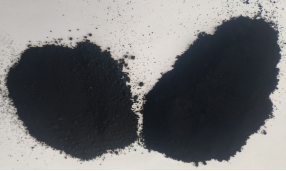
Fillers | Carbon black / silica (reinforcement), mica / talc (volume expansion), aluminum hydroxide (flame retardant) | Reinforce and increase filling volume, boost chemical corrosion resistance, deliver flame retardancy and other functional properties |
Plasticizers | Paraffin oil, alkanes, dialkyl phthalate, low-molecular-weight polyolefins | Optimize processing performance, adjust viscosity range, feature excellent compatibility with butyl rubber |
Tackifiers | Terpene resin, petroleum resin, rosin resin, low-molecular-weight polyisobutylene | Improve initial tack and adhesion to substrates |
Anti-Aging Agents | Amine antioxidants, phenolic antioxidants, heterocyclic antioxidants | Strengthen resistance to thermal oxidation, UV radiation and ozone ageing. |


Previous page:
Next page:
Blog update
What are the types of chemical materials
2024-11-05
What do chemical materials do?
2024-11-05
What are the industrial chemicals
2024-11-05