

what is yellow prussiate of soda?
2026-05-07
Introduction to Yellow Prussiate of Soda
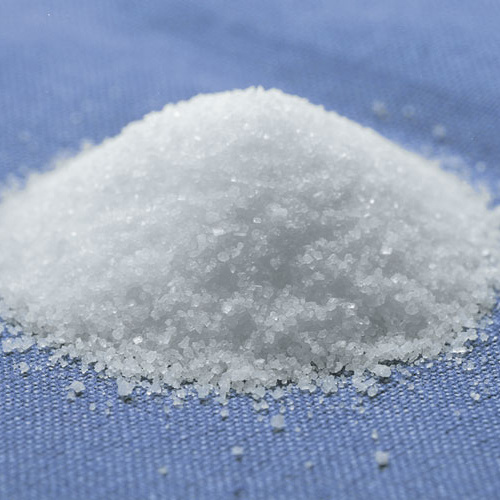
Sodium ferrocyanide is the sodium salt of the coordination compound with the chemical formula [Fe(CN)₆]⁴⁻. Its hydrated form is Na₄Fe(CN)₆·10H₂O (sodium ferrocyanide decahydrate), sometimes referred to as Yellow Prussiate of Soda.
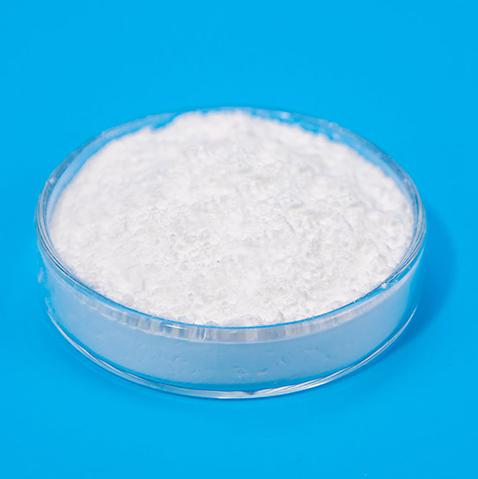
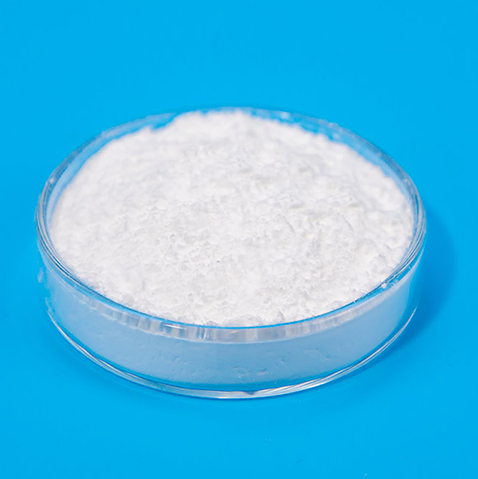
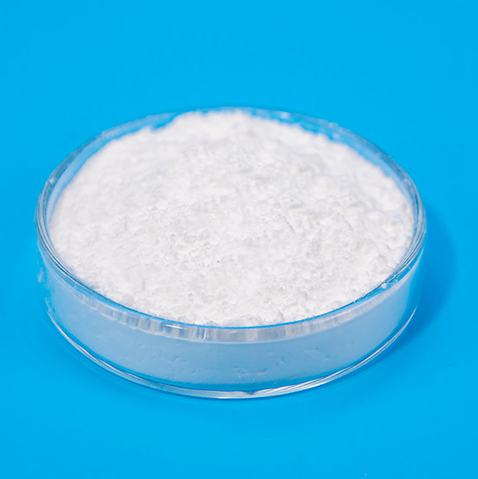
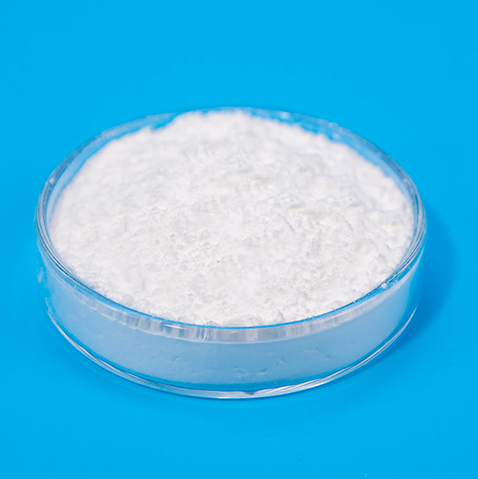
Yellow Prussiate of Soda is a lemon-yellow crystalline substance with a density of 1.458 g/cm³. It is highly soluble in water but sparingly soluble in alcohol. It begins to dehydrate at 50°C and decomposes at 435°C to form nitrogen, iron carbide, and sodium cyanide. It is primarily used in the pharmaceutical, pigment, leather tanning, and chemical industries as a raw material for products such as iron blue and ferric cyanide and can also serve as a carburizing agent for steel and a metal preservative. In the food industry, in accordance with the “Hygienic Standards for the Use of Food Additives,” it is added to table salt at a concentration of 0.01 g/kg as an anti-caking agent to prevent clumping and to melt snow in winter.
Yellow Prussiate of Soda Properties
| Name | Sodium ferrocyanide, Sodium hexacyanoferrate(II), Yellow Prussiate of Soda |
| CAS Number | 13601-19-9 |
| Chemical Formula | Na₄Fe(CN)₆ |
| Solubility in Water | Soluble in water |
| Density | 1.458 g/cm³ |
| Appearance | Lemon-yellow monoclinic prismatic or acicular crystals |
Why is Yellow Prussiate of Soda Used in Salt?
Yellow prussiate of soda is a cyanide complex, and its main use in food is as an anti-caking agent in human-edible salts (salt, sea salt, iodized salt, and non-iodized salt). It is vegetarian and does not contain gluten.
The surface of salt crystals easily dissolves after absorbing moisture in high-humidity air and then undergoes recrystallization after the moisture evaporates. Finally, clumping, clustering, or aggregation may occur. A small amount of sodium ferrocyanide is added to certain salts to prevent clumping (or agglomeration) and reduce the amount of recrystallization by reducing the solubility of sodium chloride in water.
Is Yellow Prussiate of Soda Safe?
Rest assured that sodium ferrocyanide has virtually no side effects when used as a food additive. This ingredient has obtained safety approval from the U.S. FDA, the European EFSA and the Joint FAO/WHO JECFA, with fully verified food safety.
People often worry about its safety merely because its chemical nomenclature includes the word "cyanide," a well-known toxic compound. When consumers spot ferrocyanide, a cyanide complex, on salt ingredient labels, unnecessary concern is easily triggered. Hence, most salt manufacturers use the name “Prussian blue” for labeling purposes.
Many cyanide-based salts are hazardous, yet the cyanide contained in food-grade ferrocyanide is completely non-toxic. This is because its cyanide components are tightly bonded with iron atoms, so no free cyanide can be released.
While the chemical bond between sodium and ferrocyanide may break under strongly acidic conditions to produce toxic hydrogen cyanide gas, human gastric acid is only weakly acidic and cannot trigger this reaction in the body.
If you still have concerns over this additive, you may choose other common anti-caking agents for table salt, such as silicon dioxide, sodium silicoaluminate, and calcium silicate.
If you want to learn more, please contact Kerton Chemicals immediately!!!
Products Containing Sodium:
Previous page:
Blog update
What are the types of chemical materials
2024-11-05
What do chemical materials do?
2024-11-05
What are the industrial chemicals
2024-11-05