

An Complete Guide to Polyvinyl Chloride
2026-06-05

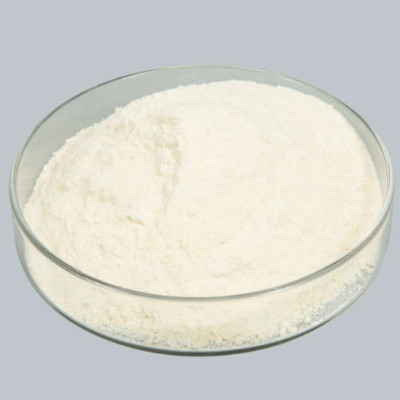
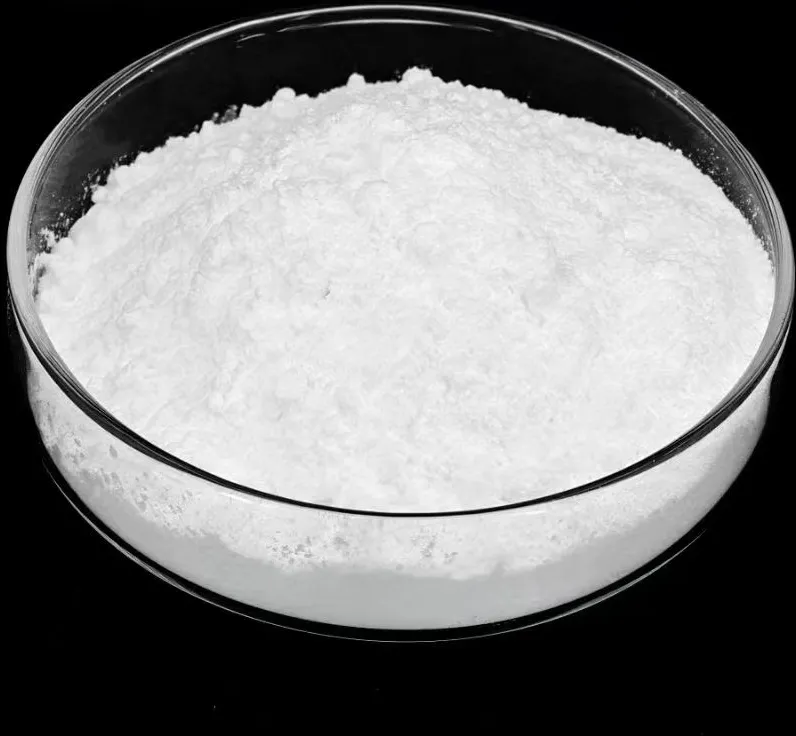
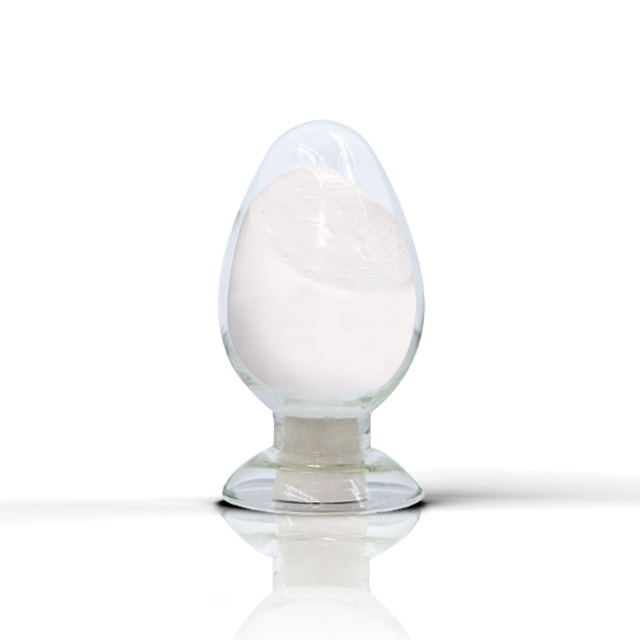
Polyvinyl chloride (PVC) is a common polymeric material synthesized from vinyl chloride monomers. The polymerization process relies on free radical reactions, which can be initiated by peroxide and azo compound initiators or triggered by external light and heat conditions. In its pure industrial form, PVC appears as a tasteless, odorless, and non-toxic white powder. It generally has a specific gravity of 1.35 to 1.45. Pure PVC features extremely low water absorption and air permeability. In terms of solubility, it remains insoluble in water, gasoline, alcohol, and vinyl chloride, while it can dissolve in ketones, esters, and chlorinated hydrocarbon solvents.
This material boasts outstanding chemical corrosion resistance and reliable electrical insulation properties for conventional industrial applications. Nevertheless, it also has obvious performance drawbacks. It exhibits poor impact resistance and lacks stability when exposed to oxygen and high-temperature environments, making it prone to molecular degradation over time.
Types of Polyvinyl Chloride
Based on differences in practical applications and usage requirements, PVC resins can be broadly classified into three main categories: general-purpose PVC resins, high-molecular-weight PVC resins, and cross-linked PVC resins.
Among these, general-purpose PVC resins are produced through a conventional process in which an initiator triggers the polymerization reaction of vinyl chloride monomers, ultimately resulting in the finished resin. High-molecular-weight PVC resins, on the other hand, are a specialized type of resin produced by adding chain extenders to the vinyl chloride monomer polymerization system. The production process for cross-linked PVC resins differs: during the polymerization of vinyl chloride monomers, cross-linking agents containing diene or polyene structures are introduced to participate in the polymerization, ultimately resulting in functional PVC resins.
Physical Properties of Rigid PVC & Flexible PVC
Density | g/cm³ | 1.3–1.45 | 1.1–1.35 |
Thermal Conductivity | W/(m·K) | 0.14–0.28 | 0.14–0.17 |
Yield Strength | psi | 4500–8700 | 1450–3600 |
MPa | 31–60 | 10.0–24.8 | |
Young's Modulus | psi | 490000 | / |
MPa | 3.4 | / | |
Flexural Strength (Yield) | psi | 10500 | / |
MPa | 72 | / | |
Compressive Strength | psi | 9500 | / |
MPa | 66 | / | |
Linear Thermal Expansion Coefficient | mm/(mm·℃) | 5×10⁻⁵ | / |
Vicat Softening Temperature | ℃ | 65–100 | / |
Volume Resistivity ᵃ | Ω·m | 1016 | / |
Surface Resistivity ᵃ | Ω | / | / |
What is Polyvinyl Chloride Used For?
PVC is highly processable and adaptable to multiple molding techniques, including extrusion, injection molding, calendering, and blow molding. With these processing methods, manufacturers can produce a wide range of products such as pipes, pipe fittings, rods, profiles, films, sheets, insulating materials for wires and cables, artificial leather, floor tiles, toys, footwear products, bottles, records, foamed materials, sealing materials, and fibers. Thanks to its versatile performance and easy processing characteristics, PVC has been widely adopted in light industry, construction, agriculture, electric power industries, and daily consumer scenarios.
Polyvinyl chloride is used to make plastic bottles, packaging, and bank or membership cards. The addition of plasticizers makes PVC softer and more flexible. It is used in pipes, cable insulation, flooring, signage, records, inflatable products, and rubber substitutes.
FAQS
Is polyvinyl chloride toxic? | Polyvinyl chloride (PVC) is a common plastic with a lifecycle that brings a range of health and environmental risks. Additives used to enhance PVC's properties can lead to serious health issues, including liver damage, infertility, cancer, and cognitive impairments, especially among vulnerable groups like children. |
What is polyvinyl chloride made of? | Polyvinyl chloride (PVC) is a synthetic plastic polymer composed primarily of two base ingredients: salt (about 57%) and hydrocarbons sourced from oil or natural gas (about 43%). |
Is polyvinyl chloride recyclable? | Yes, polyvinyl chloride (PVC, recycling code #3) is technically recyclable |
Related Search:




Previous page:
Next page:
Blog update
What are the types of chemical materials
2024-11-05
What do chemical materials do?
2024-11-05
What are the industrial chemicals
2024-11-05