

A Complete Guide to Silicone Adhesives
2026-07-13
Silicone adhesives are adhesives prepared using polyorganosiloxanes and their modified forms as the primary raw materials, with the addition of certain additives. They possess unique physical and chemical properties, and their outstanding characteristics include a wide operating temperature range (-80 to 300°C), excellent resistance to heat and cold, corrosion resistance, weather resistance, and low dielectric loss. They are currently widely used in the construction, transportation, machinery manufacturing, electronics and electrical, textile, medical, and aerospace industries.
Classification of Silicone Adhesives
In terms of structure and properties, organosilicon adhesives can be divided into two major categories: adhesives (including coatings) based on silicone resins, and adhesives (including sealants) based on organosilicon elastomers (i.e., silicone rubber). Silicone resins consist of a three-dimensional structure with a silicon-oxygen bond as the main chain; at high temperatures, they can undergo further condensation to form highly cross-linked, hard, and brittle resins. Silicone rubber, on the other hand, is a linear, high-molecular-weight elastomer with a silicon-oxygen bond as the main chain, with molecular weights ranging from tens of thousands to hundreds of thousands.
Composition and Functions of Silicone Adhesive Formulations
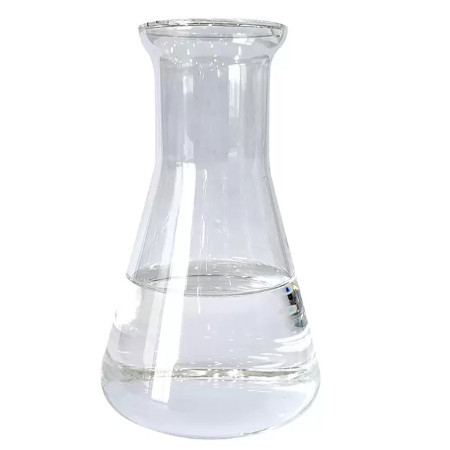

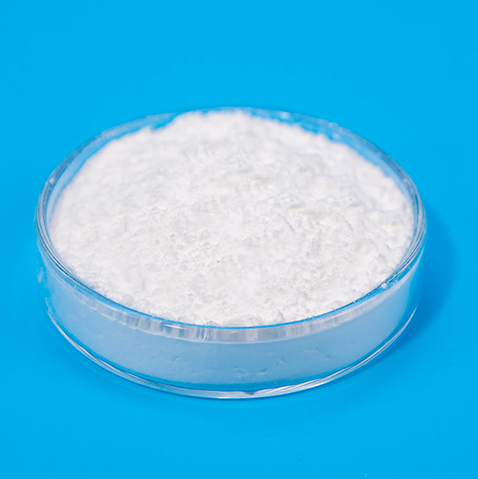


Component | Main Types / Ingredients | Functions & Description |
Base Polymer | Siloxane polymers, methyl silicone rubber, methyl vinyl silicone rubber, phenyl silicone rubber, p-phenylene silicone rubber, phenylene ether silicone rubber, nitrile silicone rubber, fluorosilicone rubber; commonly used α,ω-dihydroxypolydimethylsiloxane (107 gum), methyl block room-temperature vulcanized silicone rubber (103 gum), silicone resin | The main component of adhesives that determines fundamental properties. 107 gum undergoes polycondensation with crosslinkers to form 3D elastomers, which can be used long-term at -70~200℃; incorporating methylphenylsiloxane segments improves heat resistance; silicone resin base materials are mainly applied for bonding metals and heat-resistant non-metallic materials. |
Fillers | Nano calcium carbonate, light/heavy calcium carbonate, fumed silica (most commonly used, dosage: 5%~45% of base polymer), flame retardants, titanium dioxide, talc, quartz sand; special functional fillers: carbon nanotubes, graphene, nano alumina, hexagonal boron nitride, etc. | Reduce costs and enhance tear resistance (inhibit crack propagation and absorb energy); adjust density, heat resistance, permeability, adhesion, rheology and mechanical properties. Special fillers can endow the sealant with electrical conductivity, thermal conductivity or thermal insulation properties. |
Curing Agent (Crosslinker) | Silanes with hydrolyzable groups, such as triacetoxysilane, tri / tetramethoxysilane, tri / tetraethoxysilane, tri / tetrabutanone oxime silane, etc. | Store hermetically under anhydrous conditions; hydrolyse and condense upon contact with moisture in air to rapidly cure the compound and form a three-dimensional network structure. |
Tackifier | Silane coupling agents, silicone resins, titanates, boric acid or boron-containing compounds (dosage: ~2%~10% of base polymer) | Modify filler surfaces, improve compatibility between fillers and base polymer, and significantly boost the adhesive strength of the sealant to substrates. |
Catalyst | Organometallic salts, including dibutyltin dilaurate, dibutyltin diacetate, stannous isooctanoate, organic titanium chelates (dosage: 0.1%~5% of base polymer) | Catalyse the polycondensation reaction between silanol groups and alkoxy groups to regulate vulcanisation speed; the curing rate of two-component RTV silicone rubber mainly depends on the type and dosage of catalyst. |
Other Additives | Antioxidants, thermal stabilizers, colorants, etc. | Added according to specific application scenarios to improve auxiliary performances such as ageing resistance, thermal stability and colour appearance. |
Silane Coupling Agents


Silicone Resins

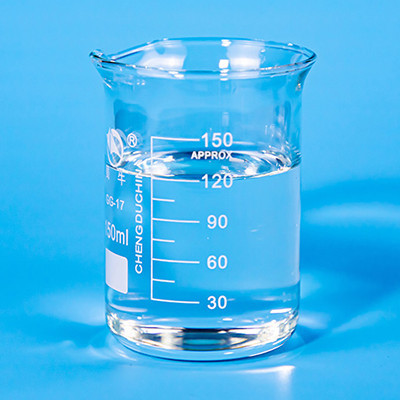
Titanates

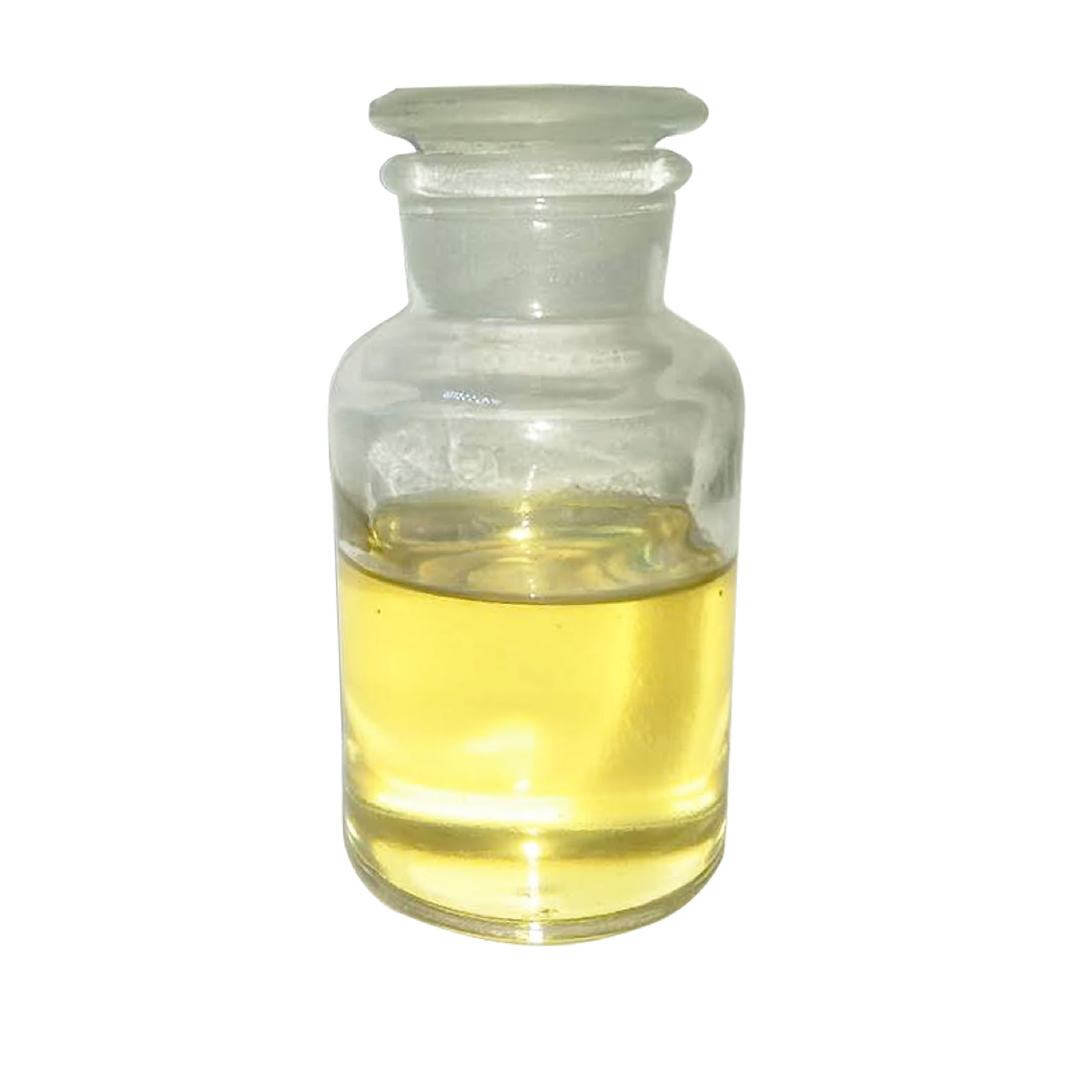
Antioxidant

Previous page:
Next page:
Blog update
What are the types of chemical materials
2024-11-05
What do chemical materials do?
2024-11-05
What are the industrial chemicals
2024-11-05