

An Overview of Plasticizers
2026-05-19
There are many types of plasticizers. For example, based on the type of dicarboxylic acid used as the raw material, they include phthalate esters, terephthalate esters, isophthalate esters, adipate esters, sebacate esters, glutarate esters, and succinate esters; phosphate esters are another class of plasticizers that also function as flame retardants; trimellitate esters are a type of tricarboxylic acid ester plasticizer; and there are also diol ester plasticizers, such as neopentyl glycol diesters and diol dibenzoate esters. Certain high-boiling-point plasticizers can also serve as lubricants. Certain dibasic ester plasticizers with relatively low boiling points also act as solvents. Some plasticizers (such as aliphatic dibasic acid methyl esters) are also used as cleaning agents for polyurethane foaming equipment, known as DBE (dibasic ester) solvents.
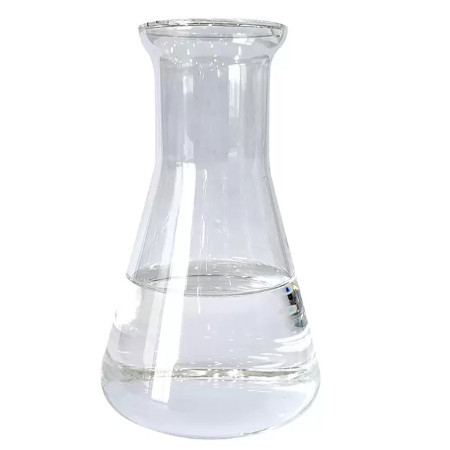
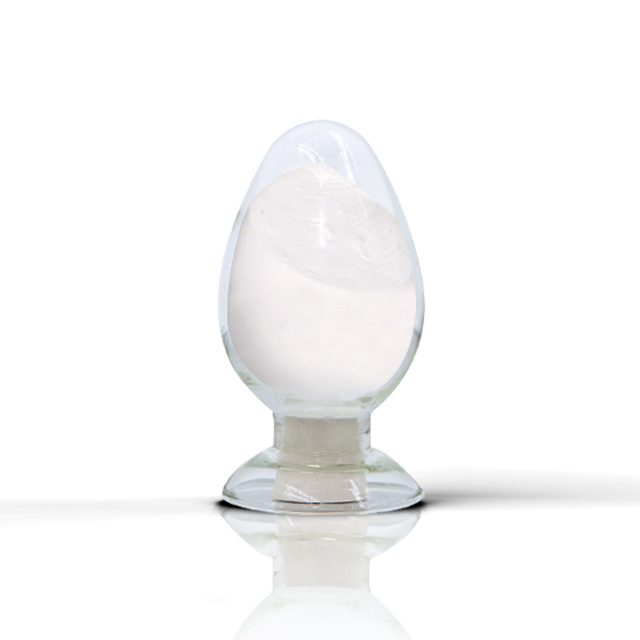
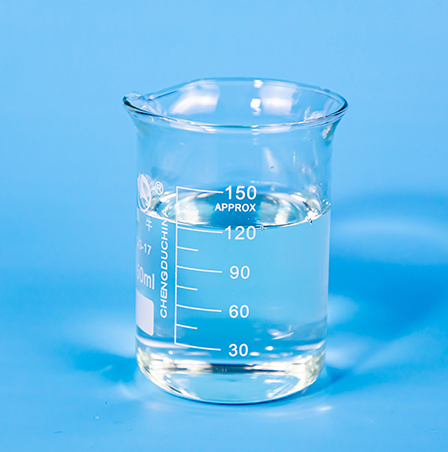
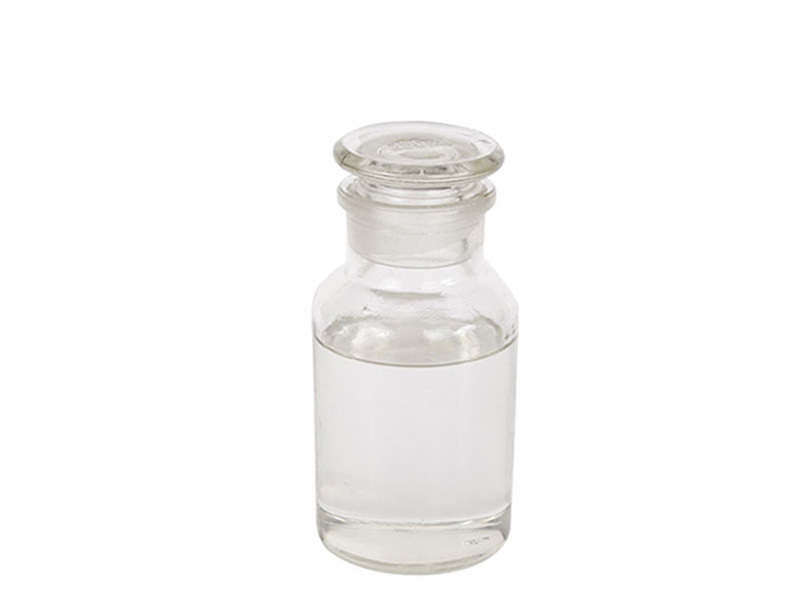
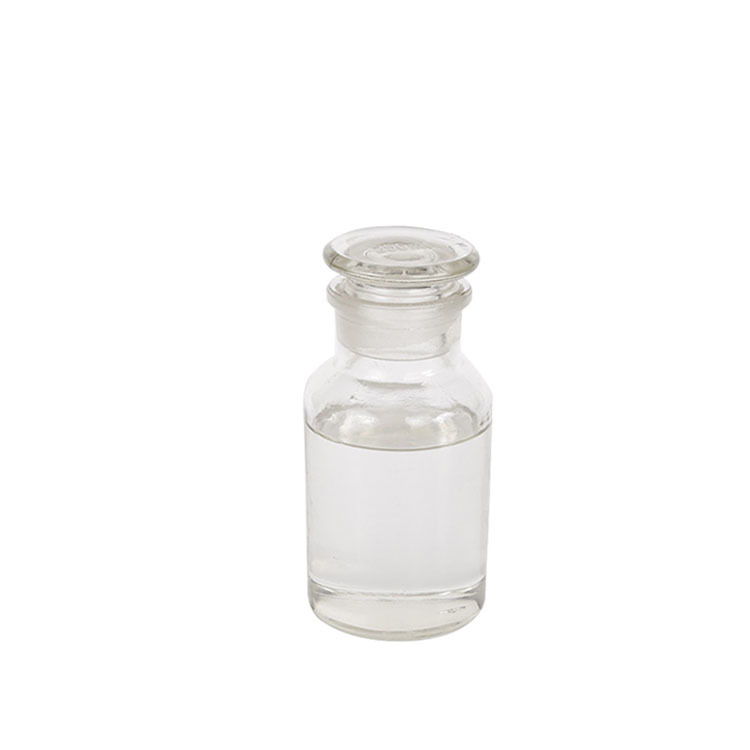
Most plasticizers are colorless or light yellow, low-viscosity, transparent, oily liquids at room temperature. There is a slight special odor.
The main functions of plasticizers are reducing material viscosity and facilitating mixing. Stay with the product, increase its flexibility, increase elongation, reduce hardness, and decrease brittleness. Reduce costs (incrementally): In reactive polyurethane systems, the shelf life can be extended, and as a solvent for MOCA, the operating temperature can be lowered, making it suitable for room-temperature curing systems. Moderate use of plasticizers with good compatibility can improve product performance, while inappropriate use of plasticizers may damage the performance of polymer materials. Therefore, screening and formulation testing should be conducted before use.
Phthalate Esters
Phthalates (also known as phthalic acid esters) are the most commonly used plasticizers, with dioctyl phthalate (DOP) and dibutyl phthalate (DBP) being the most widely used.
Dioctyl phthalate is a diphthalate plasticizer synthesized from phthalic anhydride and isooctanol. "Other carboxylic acid octyl esters" generally refer to 2-ethylhexyl esters of carboxylic acids.
Name | Viscosity | Relative Density | Boiling Point | Freezing Point | Flash Point | Refractive Index |
11 | 1.19 | 284 | 2~5 | 157 | 1.516 | |
9 | 1.12 | 298 | <-50 | 161 |
| |
15 | 1.04 | 340 | -35 | 190 | 1.4920 | |
Diisobutyl phthalate (DIBP) | 36 | 1.039 | 327 | -50 | 185 | 1. 490 |
Benzyl butyl phthalate (BBP) | 41 | 1.12 | 370 | -35 | 199 | 1.535 |
Dihexyl phthalate (DHP) | 25 | 1.01 | 210/(0.67 kPa) |
| 193 | 1.487 |
56 | 0.98 | 384 | -55 | 216 | 1.487 | |
52 | 0.97 | 252/(0.67 kPa) |
| 216 | 1.487 | |
Diisodecyl phthalate (DIDP) | 79 | 0.96 | 250/(0.53 kPa) | -50 | 221 | 1.486 |
DUP | 53 | 0.95 | 523 | -9 | 232 | 1.490 |
DTDP | 190 | 0.95 | 523/(0.47 kPa) | -35 | 252 | 1.48 |


Aliphatic Diacid Esters
Aliphatic diesters generally exhibit good low-temperature performance and are commonly used in products that require low-temperature resistance. Dioctyl adipate and didecyl adipate can also be used as high-temperature lubricants.
Name | Viscosity | Relative Density | Boiling Point | Freezing Point | Flash Point | Refractive Index |
/ | 1.063 | 109/(1.87kPa) | ≥8 | 1.429 | 107 | |
| Diisopropyl adipate (DIPA) | / | 0.982 | 252.6 | / | 109.8 | / |
/ | 0.963 | 168/(1.3kPa) | -37 | 1.434 | 150~175 | |
Dihexyl adipate (DHA) | 78 | 0.935 | / | liquid | 1.440 | 185 |
12~18 | 0.927 | 417 or 215/(0.67 kPa) | <-70 | 1.447 | 206 | |
/ | 0.962 | 312 | 1~2 | 1.4360 | >110 | |
/ | 0.933 | / | -20 | 1.432 | 170 | |
/ | 0.938 | 345 | -10 | / | 180 | |
Dioctyl sebacate (DOS) | 25 | 0.914 | ~ 300 | -67 | 1.4832 | 215 |
Dioctyl azelate (DOZ) | 15 | 0.91 | 376 | -65 | 1.4512 | 213 |


Glycol Benzoates / Benzoic Acid Glycol Esters
Benzoate plasticizers are highly compatible with polyurethane and can be used in low-hardness cast polyurethane elastomers.
| DEG | TEG | DPG | DEG/DPG(1/1) |
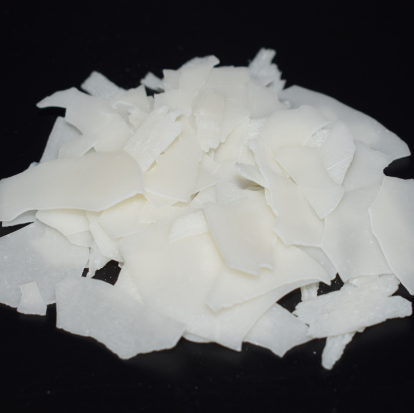
Appearance | white crystal | white crystal | colorless liquid | colorless liquid |
Molecular Weight | 314 | 358 | 342 | 328 |
Relative Density | 1.177 (20°C) | 1.227(30℃) | 1.129 (20°C) | 1.154 (25°C) |
Melting Point | 28 | 47 | -40 | 6 |
Boiling Point | 238/(650Pa) | 230/(1.33 kPa) | 232/(650Pa) | 235/(650Pa) |
Refractive Index | 1.543 | 1.525 | 1.528 | 1.535 |
Flash Point | 232 | 237 | 226 | 213 |
Phosphate Ester Plasticizers
Phosphate esters (including certain halogenated phosphate esters and their mixtures) are a class of multifunctional additives. They can be used as flame-retardant plasticizers; due to their phosphorus (and chlorine) content, they possess certain flame-retardant properties. At the same time, they serve as high-boiling-point plasticizers, imparting flexibility to products, and can reduce the viscosity of liquid materials, facilitating handling. For detailed physical properties of certain (halogenated) phosphate esters, please refer to the relevant entries in the flame retardants section.
Tri(2-ethylhexyl) phosphate is a phosphate ester plasticizer with excellent low-temperature and weather resistance, suitable for use in a variety of polymers, including polyvinyl chloride (PVC), polyurethane, nitrile rubber, and styrene-butadiene rubber.
| Tricresyl Phosphate | Diphenyl Phosphate | Tri(2-ethylhexyl) Phosphate | ||||
Relative Density (20°C) | 1.185~1.210 | 1.16~1.18 | 1.08~1.09 | 1.075 | 1.065~1.072 | 0.974~0.980 | 0.920~0.926 |
Viscosity (25℃)/mPa・s | 11(50℃) | 78~85 (20℃) | 21~23 (20℃) | / | 1.7 | 5 | 13~15 |
Boiling Point | 245/(1.46 kPa) | 235~255/(532Pa) | 239/(1.33kPa) | 245/(1.33kPa) | 210~220 | 289 | 210/(500Pa) |
Freezing Point | 49~51 | -33 | -60 | <-50 | -56 | <-80 | -70 |
Flash Point | 220 | 215~230 | 200 | 241 | 130 | 146 | ~170 |
Refractive Index | 1.552~1.563 | 1.555 | 1.506~1.512 | / | 1.406±0.001 | 1.410~1.440 | 1.445~1.446 |
Abbreviation | TPP, TPF | TCP, TTP | DPOF, DPOP | DPDP | TEP | TBP | TOF、TOP |
Molecular Weight | 326 | 368 | 362.4 | 390.5 | 182.1 | 266.3 | 434.6 |
In addition to the phosphates discussed in the section on flame retardants and in this subsection, other phosphates include isopropylphenyl phenyl phosphate (CAS No. 68782-95-6), dibutylphenyl phosphate (CAS No. 2528-36-1), cresyldiphenyl phosphate (CAS No. 26444-49-5), phenyl dicresyl phosphate (CAS No. 26446-73-1), butyldiphenyl phosphate (CAS No. 2752-95-6), etc.


Choose Your Best Partner — Kerton Chemicals
Kerton Chemicals (Zhengzhou Kerton Chemical Co., Ltd.) is your ideal supplier of plasticizers and chemical materials, with standout strengths.
We offer a diversified product portfolio covering industrial chemicals, advanced materials, and life science products, meeting your one-stop procurement needs.
Choose Kerton Chemicals for stable quality, professional support, and worry-free cooperation in your plasticizer and raw material supply.
Previous page:
Next page:
Blog update
What are the types of chemical materials
2024-11-05
What do chemical materials do?
2024-11-05
What are the industrial chemicals
2024-11-05